Jethro Tull: Ian Anderson on Hendrix, the Stones, and getting back on the road again
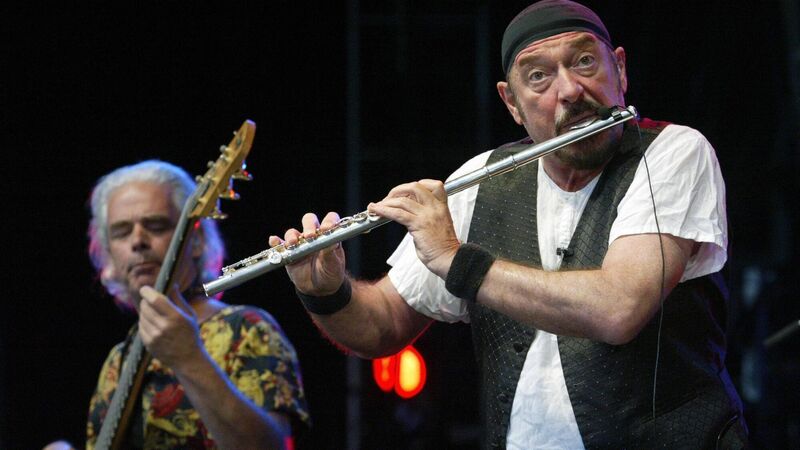
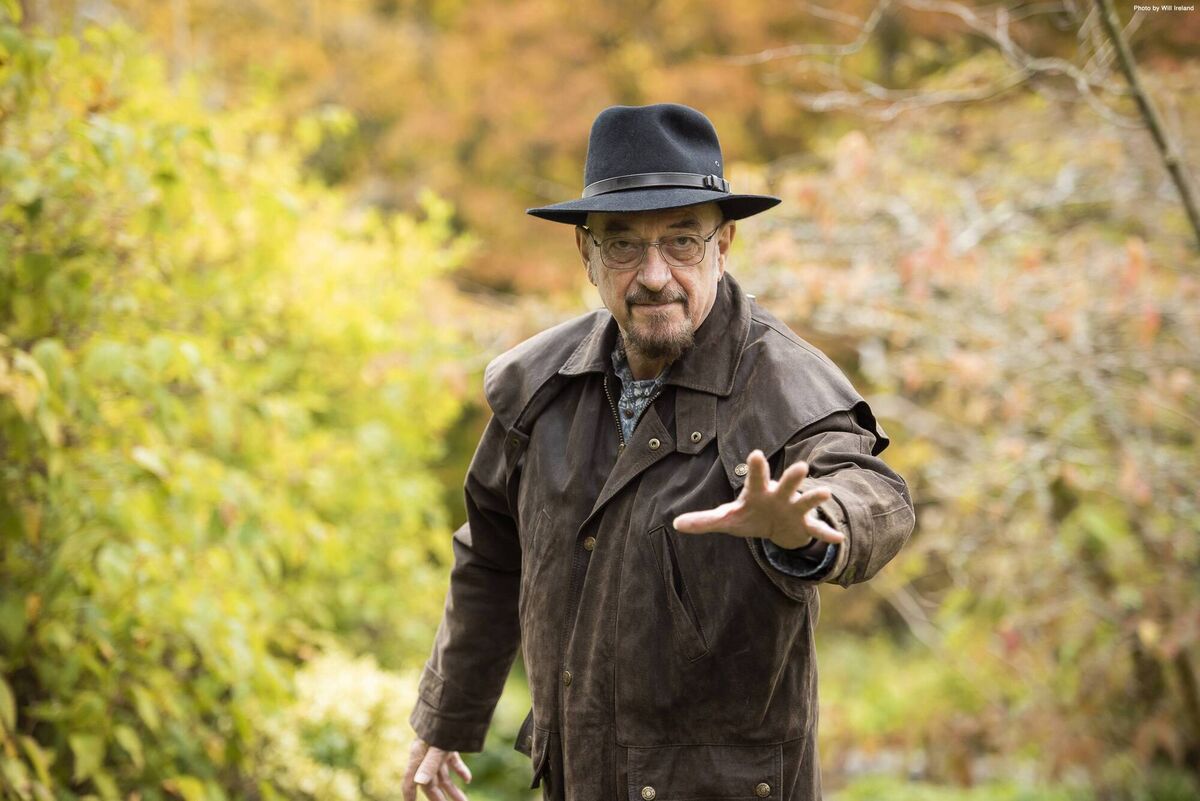
Ian Anderson is hitting the road again with Jethro Tull, (Picture: FRED TANNEAU/AFP/Getty Images)
For almost six decades, Ian Anderson has remained one of the most distinctive figures in British rock. As the flautist, singer, and principal songwriter behind Jethro Tull, the Scottish musician has helped shape a sound that blended blues, folk, classical, psychedelia and rock into something completely its own.
From the early grit of (1969) and (1971) to the ambition of (1972), his work has always carried an idiosyncratic voice in rock’s gene pool.
He admits, over Zoom, that the band’s biggest hit, which reached the Top 5 in Ireland in 1969, started out as a joke. Asked by his manager to keep interest alive while touring America, he was told to write something catchy for UK radio. “I jokingly said, ‘Give me an hour,’” Anderson recalls. “But I went up to my hotel room and dutifully wrote a song.”
Delivered in an unlikely 5/4 time signature and inspired by Dave Brubeck tunes and he was surprised by the song’s success. "It wasn't like that was trendy, it was something that impacted me as a teenager and the song was about as uncommercial as you could make it. with the time signature and the title,” he laughs. "But it was a top 3 hit in the UK and was also a hit in the US [reaching number 11] a few years later. They didn't want to release it at the time in the States, as they felt it was a step too far, but it served its function.”
Born in Dunfermline, Anderson grew up in Edinburgh until moving to Blackpool at the age of 12. He was a successful salmon farmer in Scotland between 1978 and the early 2000s. “It was in the west Highlands and Skye area… I realised I had to make a decision to devote myself to this or music because the two things side by side were becoming more difficult in terms of organising my time. I prefer to come home smelling of stage sweat rather than stinky fish.”
Now 78, he shows little interest in slowing down as he prepares to take on an extensive European tour beginning later this month. Under the Jethro Tull banner, Anderson continues to revisit and reframe a catalogue that has become a valuable part of rock architecture.
He was right at the centre of it all when Swinging London morphed into something darker and heavier, a moment captured in December 1968 when Jethro Tull appeared in The Rolling Stones’ Rock and Roll Circus concert and film, alongside John Lennon, The Who, and the Stones themselves, to perform their second single A Song for Jeffrey.
Anderson appeared wide-eyed and a bedraggled ball of Celtic energy behind a mass of red hair and beard, wearing a scruffy overcoat. While performing the song, he was standing on one leg while playing the flute; the image has since become the band’s trademark. “Some memories are good, some are sad,” he says. “Brian Jones was a really benign and modest guy, but he wasn’t in good shape."
It would be Jones’s final performance with the Stones before his death in July 1969. "He had been ostracised from the other members of the band as he was a bit doolally and not able to play.”
Anderson recalls Bill Wyman and Charlie Watts as friendly, Keith Richards as distant, and Mick Jagger as aloof and fiercely driven, while adding he has "huge respect" for the band.
“He [Jagger] didn’t want to come off second best to The Who,” says Anderson. “He pushed himself hard but ended up blowing his voice during rehearsals.”
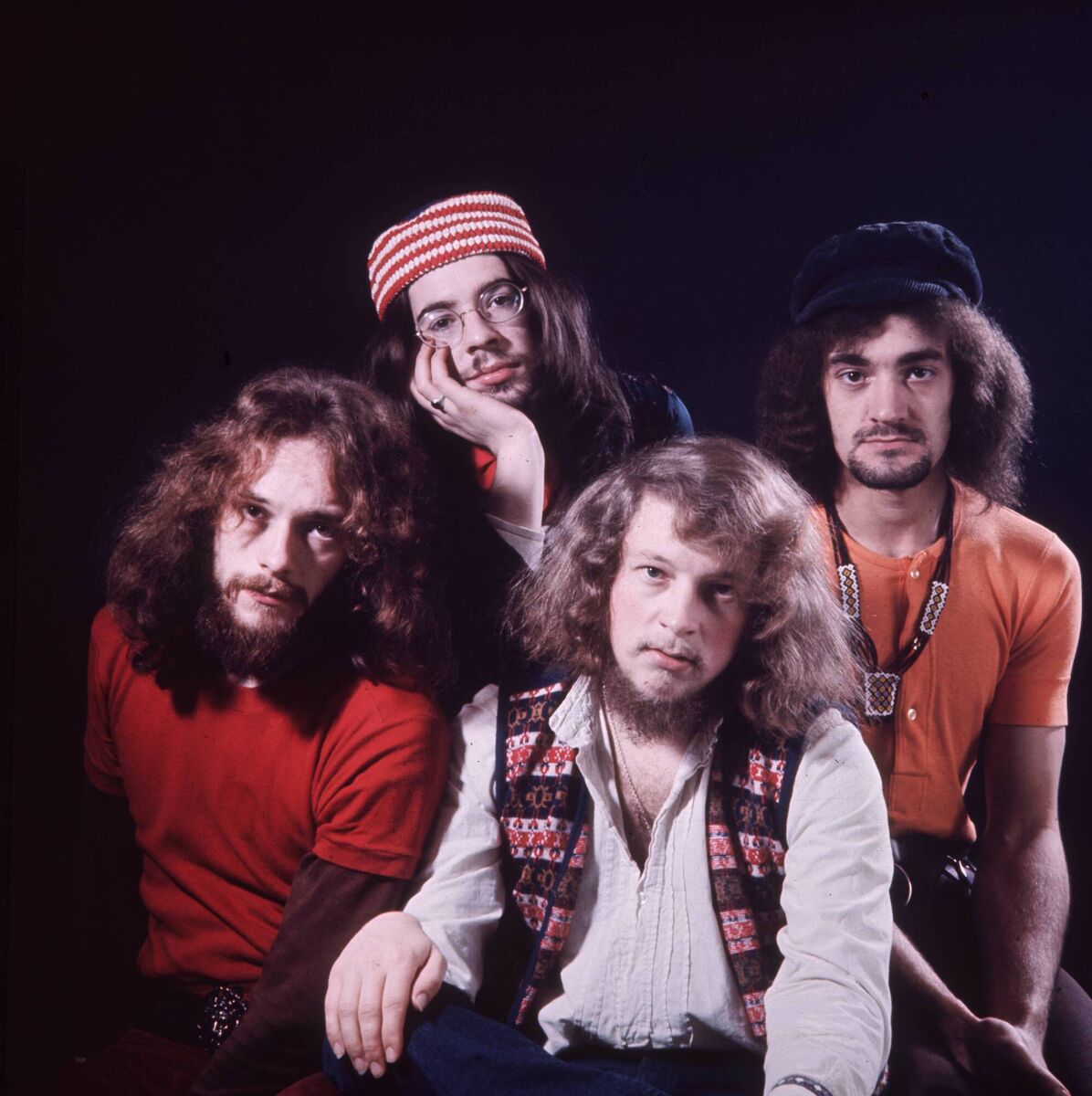
It’s an interesting footnote that Tull’s guitarist for their performance was Black Sabbath's Tony Iommi during a brief spell with the band. John Lennon was also on the bill, though they didn’t talk on this occasion. It’s not inconceivable they crossed paths in Edinburgh during the 1950s when Lennon was regularly visiting his family not far from Anderson’s home near Murrayfield Stadium.
The Tull frontman does recall a wave from Lennon when they were both on in February 1970. Tull performed while Lennon sang Instant Karma. Of Lennon, Anderson adds. “I was never a huge Beatles fan, but John was the one I liked most. He had originality and attitude. Paul was more polite, more of a crooner. John had a nasally twang to his voice and came up with great elements of the songs, which we were encouraged to believe they wrote together.”
Encounters with other giants of the time left similar impressions. He first met Jimi Hendrix in Stockholm at the end of the 1960s in a dark corridor, the pair of them dimly lit by their cigarettes. “He was shy and self-effacing,” Anderson recalls. “I ended up dragging him into his own press conference. He hated those things.”
They shared a bill at the Isle of Wight Festival in 1970, weeks before Hendrix’s death. “I think he was led astray by hangers-on,” Anderson reflects. “The simple pleasures of sex, drugs, and rock and roll took their toll.”
Tull also toured with Led Zeppelin for a US arena run in 1969. Anderson grew friendly with Jimmy Page but remained distant from Robert Plant. “I wasn’t a party guy,” he says. “If you weren’t into that, you didn’t really fit in. My reserve was taken as hostility, which wasn’t true.” He had first encountered Plant in 1968 at a London club. “It was immediately obvious he had talent and confidence,” he says. “A short time later, he was in Led Zeppelin."
resurfaced in an episode of a reminder that songs can be reintroduced to audiences at any moment. Simpsons voice actor Harry Shearer was asked about taking inspiration for his character's name in Spinal Tap (Derek Smalls) from the sleeve-notes which contained a reference to Derek Small. He suggested it was a coincidence, but the pair did enjoy performing together. "It was for a show I did, ‘Rubbing Elbows', and Harry was my guest in LA. He got on stage and played. I wanted to do , but he was a bit out of practice".
Another memorable experience came through his involvement with English folk-rock outfit Steeleye Span. Anderson is credited as producer of but suggests he mixed their album and helped arrange a session featuring David Bowie on saxophone.
“Bowie turned up with a small entourage, did a run-through, nailed it in a take, and left in 20 minutes. Completely professional,” he recalls.
Years later, Anderson thanked Bowie for his work when they met in a German television studio. The memory still lingers. “He did it for nothing. No fee, no royalty. That generosity stayed with me,” Anderson says. “From that point on, I adopted the same principle. If someone asked me to play on their record, I’d do it for free. It's nice to be asked."
He also admired Bowie for something deeper: authenticity. “He didn’t fake being American,” Anderson says. “Why not be Ian Dury, Alex Harvey or David Bowie? They sang in their own voices.”
Anderson has tried to do the same. “Why pretend to be from Alabama when you’re not?” he asks. “The Beatles sang in their own voices. If they covered Little Richard, they leaned into it. Otherwise, they were themselves.”
More than half a century on, that instinct remains intact. Still curious and independent by nature, Anderson continues to follow the same path he set out on as a young musician by trusting his own voice.
*Jethro Tull are touring the UK and Europe. See jethrotull.com for details