Karl Whitney: ‘With writing, just begin: You don’t always have to know where it’s going’

Where to begin can be difficult for a writing project. Like a song, the opening line of a work can make a real impact
Karl Whitney: ‘With writing, just begin: You don’t always have to know where it’s going’

If you learn to spot what works, then you’re also identifying what doesn’t work. This implies many false starts. File picture
Where should you begin? It’s difficult to start a writing project.

Or, to put it another way, it can be easy to start a piece of writing — maybe a book project or perhaps something shorter — but difficult to sustain it. How does something go from being a one-sentence idea to something much bigger?

In this column I’m going to discuss beginnings; in the next column — which will be my final one — I’ll, fittingly, talk about endings.

Belief is important to a writer, but it’s a complex thing. Knowing exactly where you’re going is a form of belief, I suppose, but a deadening one. It knocks the life out of you, takes the improvisation out of writing.

Instead, I think that belief is stoked by a kind of excited unknowing about where the writing might take you. We’re straying into the realms of religion, I know, but I’ll try to keep things semi-practical.

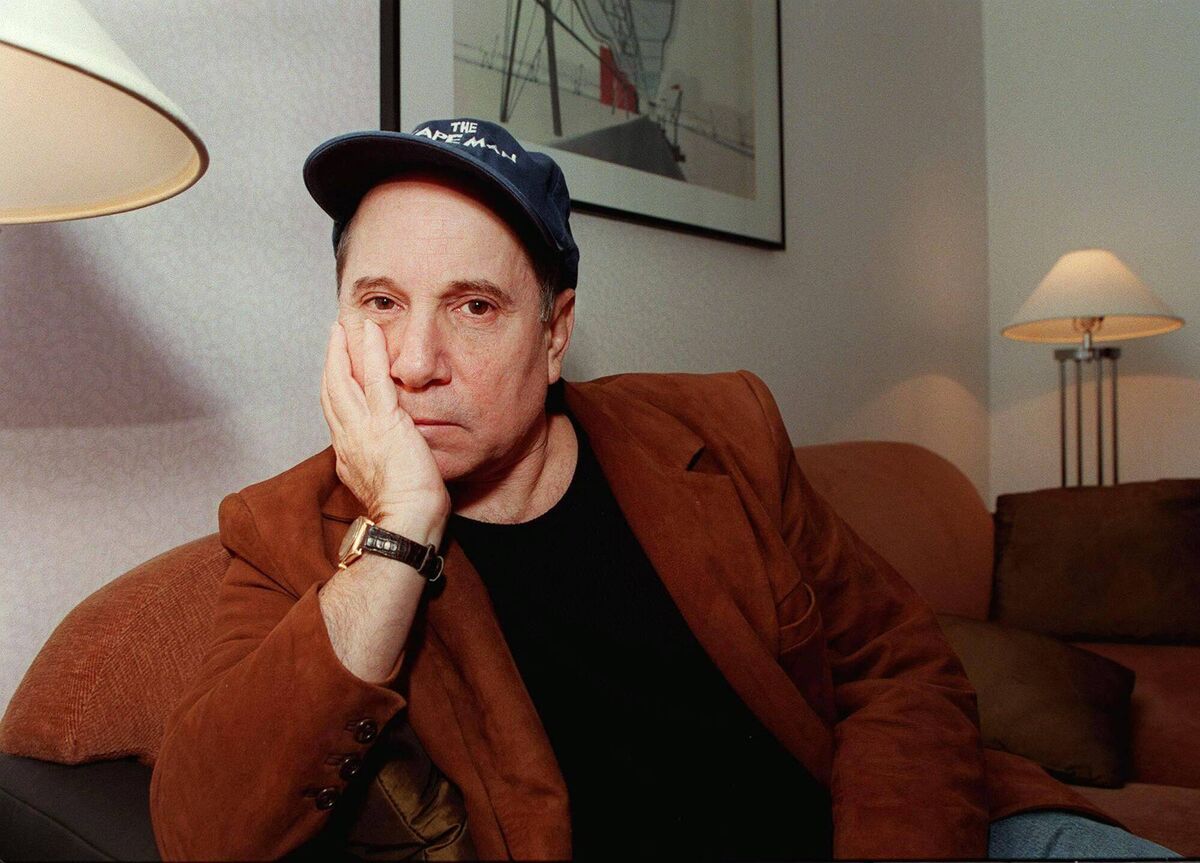
I tend to read a lot about the singer Paul Simon, who, during interviews, occasionally addresses the importance of a song’s opening line. Sometimes he says that a good opening line is about catching the listener’s attention, which is fair enough. Other times he talks about the right first line, one that opens up the possibilities of the song for the songwriter.

Paul Simon, during interviews, occasionally addresses the importance of a song’s opening line. 	Picture: Jon Levy/PA
Paul Simon, during interviews, occasionally addresses the importance of a song’s opening line. Picture: Jon Levy/PA

I’m interested in this. Not necessarily in the idea of there being a ‘right’ first line, but rather there being something in an opening line that, for the songwriter, sparks the rest of the song. Think about it. The song doesn’t yet exist. The songwriter doesn’t know what it’s going to be about. But something in a short sentence suggests where the songwriter might go with it.
You reach many dead-ends before you find something that launches you forward in this way. Maybe you get better at writing a launchpad sentence or maybe you just get better at spotting one that works. The first sentence as a sign that you’re on the right track. It opens up a window to a world that you want to explore.

If you learn to spot what works then you’re also identifying what doesn’t work. This implies many false starts. You begin again and again until you feel like you’re on the right track. Fifty words, a hundred words… and then you give up. The false starts pile up. Are they tombstones to failure or fossils indicating that your writing is evolving slowly?

Waste in writing

I remember being told once by a university lecturer that there’s a lot of waste in writing, and I’ve found that to be true. What ends up on the page can often be a fraction of what’s been written.

I sit at my desk — a circular dining table under a window that overlooks the back garden — and I trawl through old files on my computer. I find in a folder that I had earmarked for a book project there’s a single file that has 87 words in it. I was thinking big — I can’t fault my ambition — but maybe too big. 

There’s a danger of getting ahead of yourself to the degree that you’re frozen by the potential of what you’re doing.

Not everything you write will lead somewhere. Not everything you write will be published. Sometimes the fragments that you leave behind are like Post-It notes for the future. They’re a physical remnant of an idea — something that you’ll come back around to when you need to revisit it.

I once heard a writer of non-fiction books say that he spent a lot of time researching and writing proposals for books – the history of tank warfare, say, or an investigation of what fish are thinking about (I made these ideas up; you can have them if you want) — and only did a significant amount of writing once a publisher had commissioned the book.

When I heard this I thought of all the unwritten books, the carefully crafted book proposals — documents outlining the chapter structure of the proposed book that often include writing samples — that this man had on his computer. There’s an obvious industriousness to his approach that I can’t help but admire. But, to me, it’s taking things too far.

I’d rather have a sentence that never became a paragraph or a paragraph that never became a page or the kernel of a book idea that I can revise up into something viable some time in the future. I’d rather recognise that something isn’t right in the first few sentences.

Of course, if you just start things and never finish them there’s a risk of getting stuck in something of a loop. You lose a sense of progression — writing becomes less like crafting a tangible object and more like getting lost in a fog of your own making.

Every day feels like starting again.

But then there’s the kind of sentence that Paul Simon talks about, the one that makes you want to keep writing to find out what might be next. Not knowing where you’re going can be anxiety inducing. But at other times it can be exhilarating.

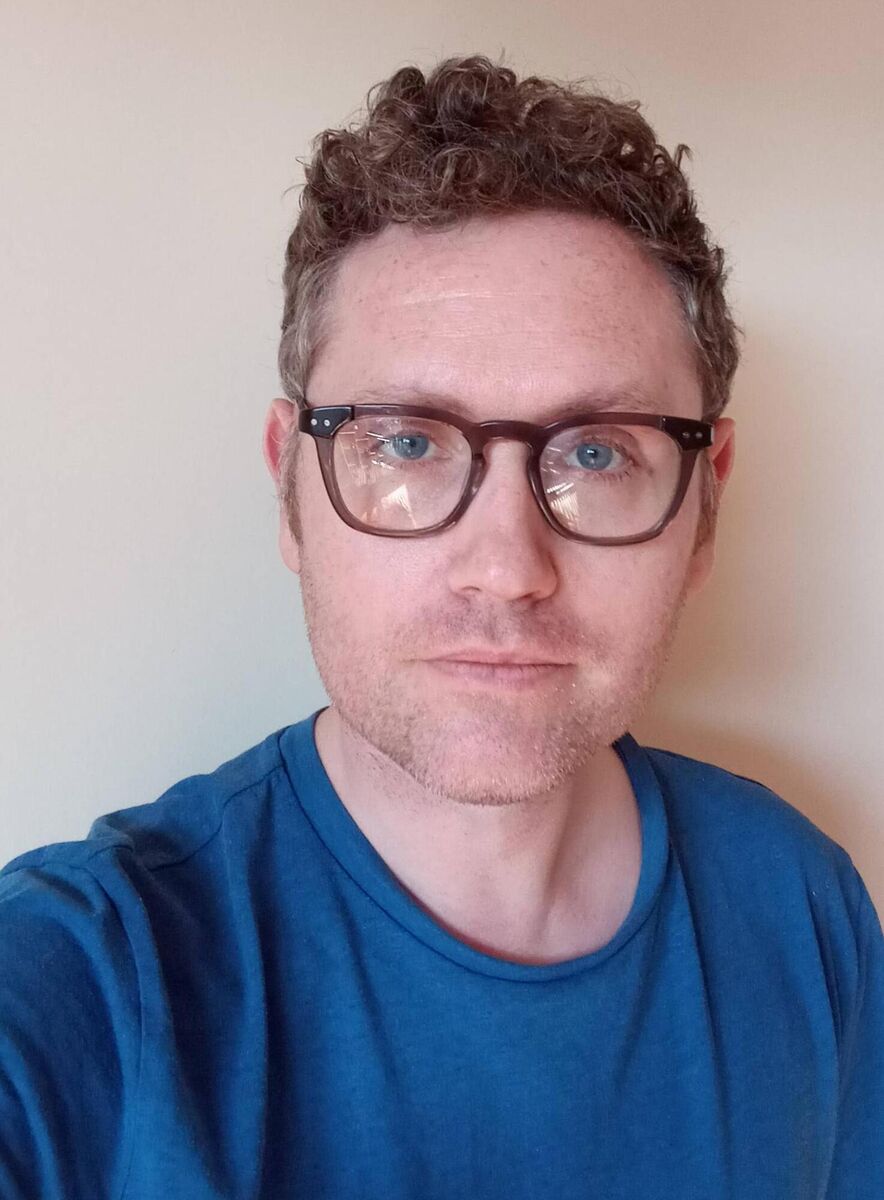
Karl Whitney.
Karl Whitney.

What you’re writing needs to be mysterious even to yourself for as long as you can manage it. That mystery is what keeps you going.


You want to preserve the conundrum at the core of what you’re doing. You don’t even know why you’re writing it, you just are. You keep coming back to it for a reason, and it’s better that your motivations aren’t completely clear to you. Explaining why you want to write something can wait until you’ve actually done it. Once it’s in the rearview mirror you can tell people whatever you want.

Why begin things and never finish them? Because it’s better to start something then give up than never to start something at all. There’s nothing as intimidating as a blank page (or a blank screen). At least when you’ve put something in writing you can decide if you want to keep going. If you abandon it – at least you tried.

Once you have words on the page then you can change them. I think it comes back to the idea of writing as a practice that involves shaping the page physically. A writer makes sentences.

You move words around. You delete and replace and rethink what you want to say and how you want to say it. 

This is intellectual work but it’s also about putting something into the world that wasn’t there before.

You can reshape it all you want. The first draft might not resemble the final draft in any way. No one else needs to see it until you’re happy with it.

You need to begin because you want to find out where you’re going. Sometimes that might be nowhere; a false start. Then you might have many false starts before the beginning of a piece of writing puts down roots. But eventually, through trial and error, you get there, and, mysteriously, you begin writing and something, you’re not quite sure what, keeps you going.

There’s no shame in beginning again. By doing so, you’re giving what you’re writing a chance to renew, perhaps by providing a different angle, trying a different turn of phrase. Maybe a new approach will get you where you need to go?

You’re trying to spark your writing into taking on a life of its own.

x

BOOKS & MORE

Check out our Books Hub where you will find the latest news, reviews, features, opinions and analysis on all things books from the Irish Examiner's team of specialist writers, columnists and contributors.


More in this section

Scene & Heard

Newsletter

Music, film art, culture, books and more from Munster and beyond.......curated weekly by the Irish Examiner Arts Editor.

Cookie Policy Privacy Policy Brand Safety FAQ Help Contact Us Terms and Conditions

© Examiner Echo Group Limited