Culture That Made Me: Irish author Patricia Scanlan picks her touchstones
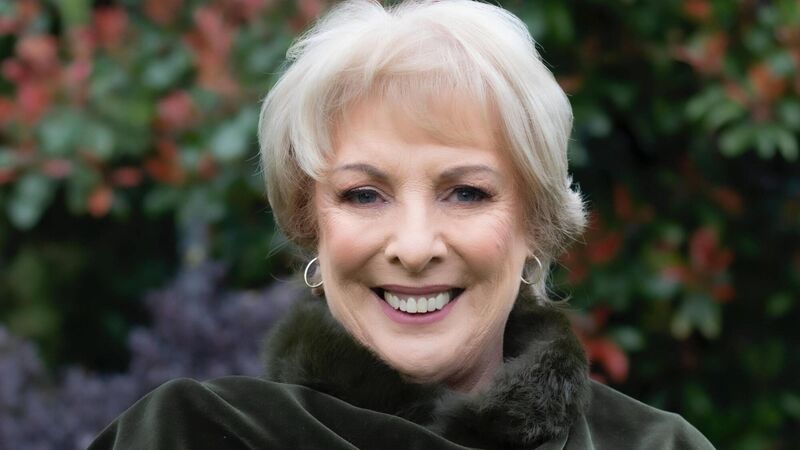
Patricia Scanlan is about to publish the latest instalment in her City Girls novels. Picture: Ger Holland
Patricia Scanlan, 69, grew up in Ballygall, Dublin. In 1992, she published her debut novel the first in the acclaimed City Girls trilogy, which has sold millions of copies.
Her spiritual book, published in 2005, is also a bestseller. She is series editor and a contributing author to the literacy series.
Her latest novel, which resurrects familiar characters, is published by Simon & Schuster.
Read More
The book of my teenage years was JD Salinger’s I remember reading it on the bus coming home from school and being engrossed. I'd never read a book like that before. It was so honest – his anger and the alienation. His daring – going to New York, the night out he had. That was eye-opening for me. I loved his bravery. What teenager wouldn't have wanted to do something like that? To run away from school and meet all these people like these prostitutes. I remember my mouth was open reading it. I started to read it slowly because I didn't want it to end.
The book that made me want to write was Brian Moore’s It was amazing to me that a man could get so deeply into the mind of this woman. It was genius. He understood her perfectly, the way he wrote about her little foibles, dressing up to go out to visit the O’Neill family, her terrible loneliness, her fear of what was going to become of her. She was brave to keep going, having cared for her aunt for all those years. She was now living on this small pension. She was always eager to see the O’Neill family, but they weren't keen to see her; she was a nuisance to them, and the mindless cruelty of the kids. He evoked all these emotions. It was powerful. And when she turned to the drink, it was very sad.
I love Leonard Cohen. People laugh, saying, “but he's so grim and so dark”. I love his voice. His song is powerful.
It's prophetic when you see what's going on in the world now, and that was written in 1992: “I've seen the future, baby / It is murder / Things are going to slide, slide in all directions…” He sees the breakdown of civilisation. It's happening. Our society is collapsing. There’s such moral decay in the world. He was a deep songwriter.
I called my first novel because of Edna O’Brien’s She wrote about escaping from the patriarchy – which I lived under in the 1970s – with such total honesty. It was a time when Archbishop John Charles McQuaid got his Knights of Saint Columbanus going into chemists to see who was selling tampons; he believed women shouldn't be using tampons because it could give them pleasure. She wrote from the heart. She made such a difference with her writing because women identified with her. For Ireland, it was a revelation. She was banned. She was reviled by the Church. was a very liberating book.
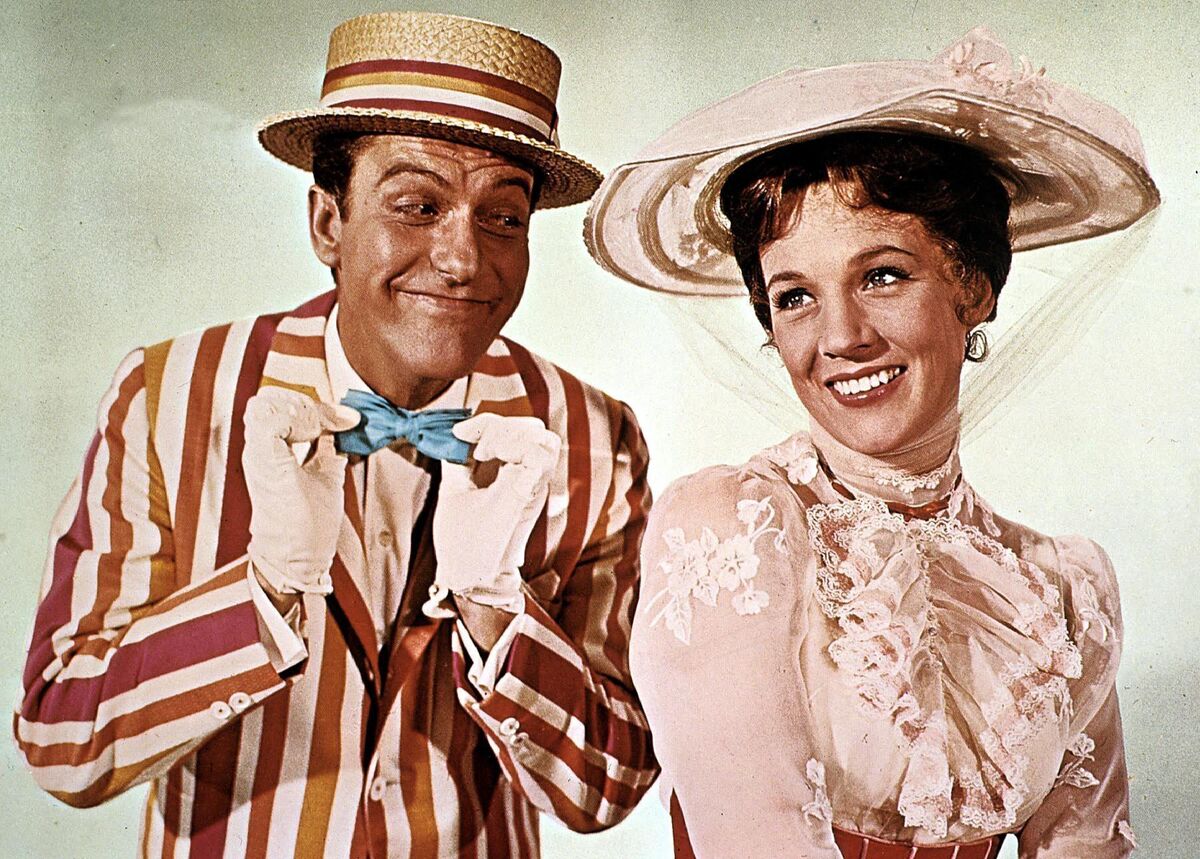
My favourite film is I love musicals. It was the first film I was brought to see in the cinema. That doll's house, all those toys, such a lovely nursery, having a fireplace in it, and I mean to be able to click your fingers, and your bedroom would be tidy was magical. Julie Andrews and Dick Van Dyke are amazing in it. When it comes on at Christmas, I still watch it.
I like Elin Hilderbrand. She’s an American commercial fiction writer. She sets her books on Nantucket. She's very readable. American writers write differently. It's refreshing. They write short sentences. Her sense of time and place is so good that you're immersed very quickly into where it's set and who the characters are. She’s great at delivering short, sharp sentences about a character. You’ll be thinking, oh my god, that's so bitchy, but it's so true.
Ciara Geraghty is one of my favourite Irish authors. I remember reading her first book, It was so refreshing, so real. She’s a very funny writer. The great thing about Ciara is she can make you laugh and make you cry on the same page. Few writers have that gift. In , she wrote about a trip to Dignitas. A character’s best friend was going to commit suicide. As you’re reading, you'd be roaring laughing, and then you'd be crying. She's gifted.
My favourite non-fiction writer is Patrice Chaplin. She was married to Charlie Chaplin's son. She's hilarious. When she was 15, she hitchhiked to Paris and all through Europe. She spent time with John-Paul Sartre, Simone de Beauvoir. She lived in Girona, Spain during Franco’s time. She worked for the freedom fighters carrying messages. She lived in Hollywood. She's 86 now. She wrote three fascinating books. The first one is about this underground society that knows all these esoteric mysteries. Her second book, is about her initiation into the Kabbalistic tradition. Her last one, is gripping. It's also travel writing – she makes you want to go to Girona.
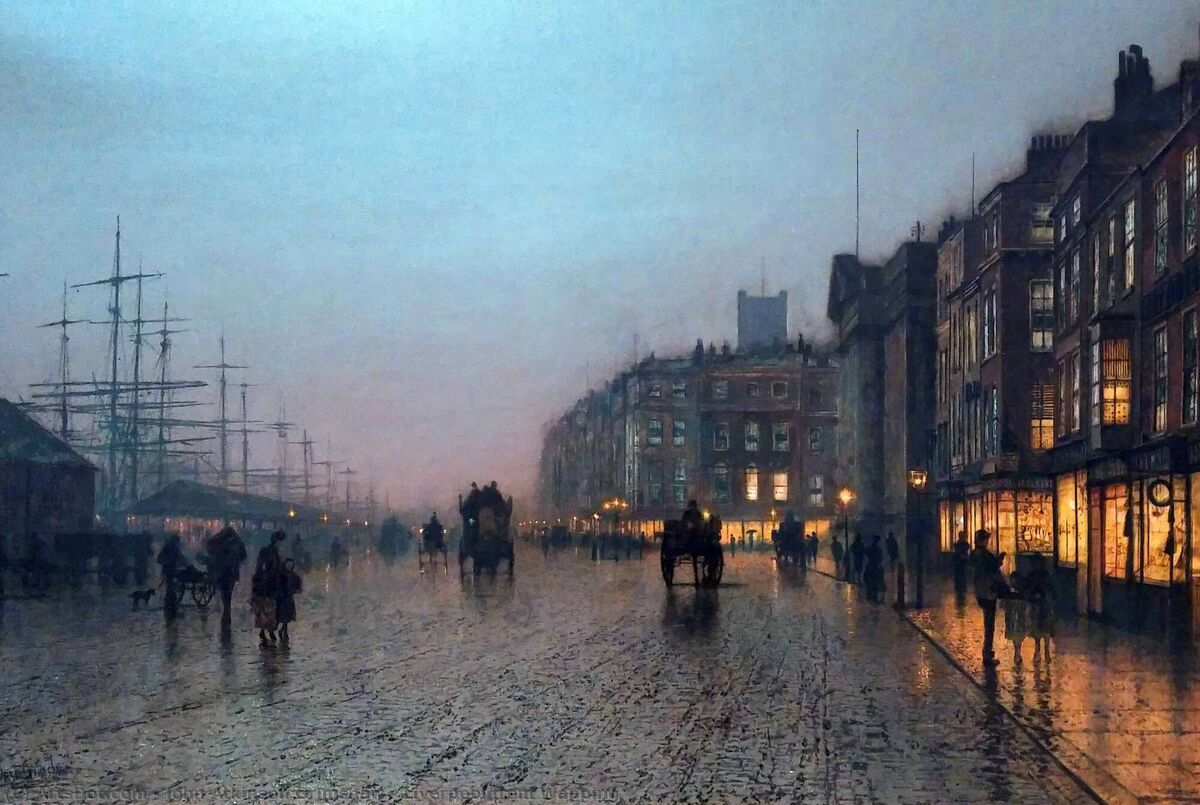
I have a painting I love very much – Liverpool Docks by John Atkins Grimshaw. I love it because my dad was a seafarer before he married my mother. It's this awful wet night. There's light in the windows. It's the way the water glistens on the cobblestones, the skill of it. The talent to be able to paint that and have it so realistic. It's like you're inside, lovely and snug, looking out at this scene from your window. It's the light and the dark. I love it
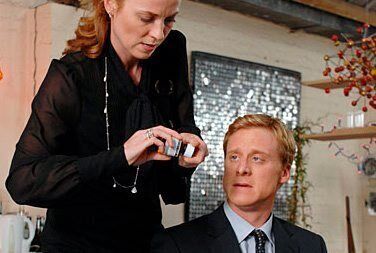
A film I love is I watched it two years after my mother died. Christmas was never the same afterwards. My dad was staying with me for Christmas. I was having a big family gathering. directed by Frank Oz, came on. My dad was 88 and the youngest was about 10. It's a dark comedy about a dysfunctional family in a country house, very posh, very English. A dwarf arrives. He claims he was the deceased’s lover. He tries to blackmail the family. Everything goes wrong. One of the sons, by mistake, takes a powerful drug. He's running around naked up on the roof. It's chaos. It's so funny. I remember everybody laughed so much.
I loved Brian Friel’s the Patrick Mason production at the Abbey Theatre. It was electric. When the five sisters started dancing the hair stood up on the back of my neck. It was an amazing moment. I was completely immersed in that play. A wonderful production.
There's a three-part documentary, about Ghislaine Maxwell. Your childhood forms you in a way. She’s Robert Maxwell's daughter. He was supposed to be working for Mossad. He fell overboard off his boat [dying in mysterious circumstances]. The way Maxwell brought up his kids, the coercive bullying, the way he treated her. She learned to get around him, and that's what she's been doing ever since. It’s all very sick.


BOOKS & MORE
Check out our Books Hub where you will find the latest news, reviews, features, opinions and analysis on all things books from the Irish Examiner's team of specialist writers, columnists and contributors.