Culture That Made Me: Lyric FM broadcaster Liz Nolan picks her touchstones
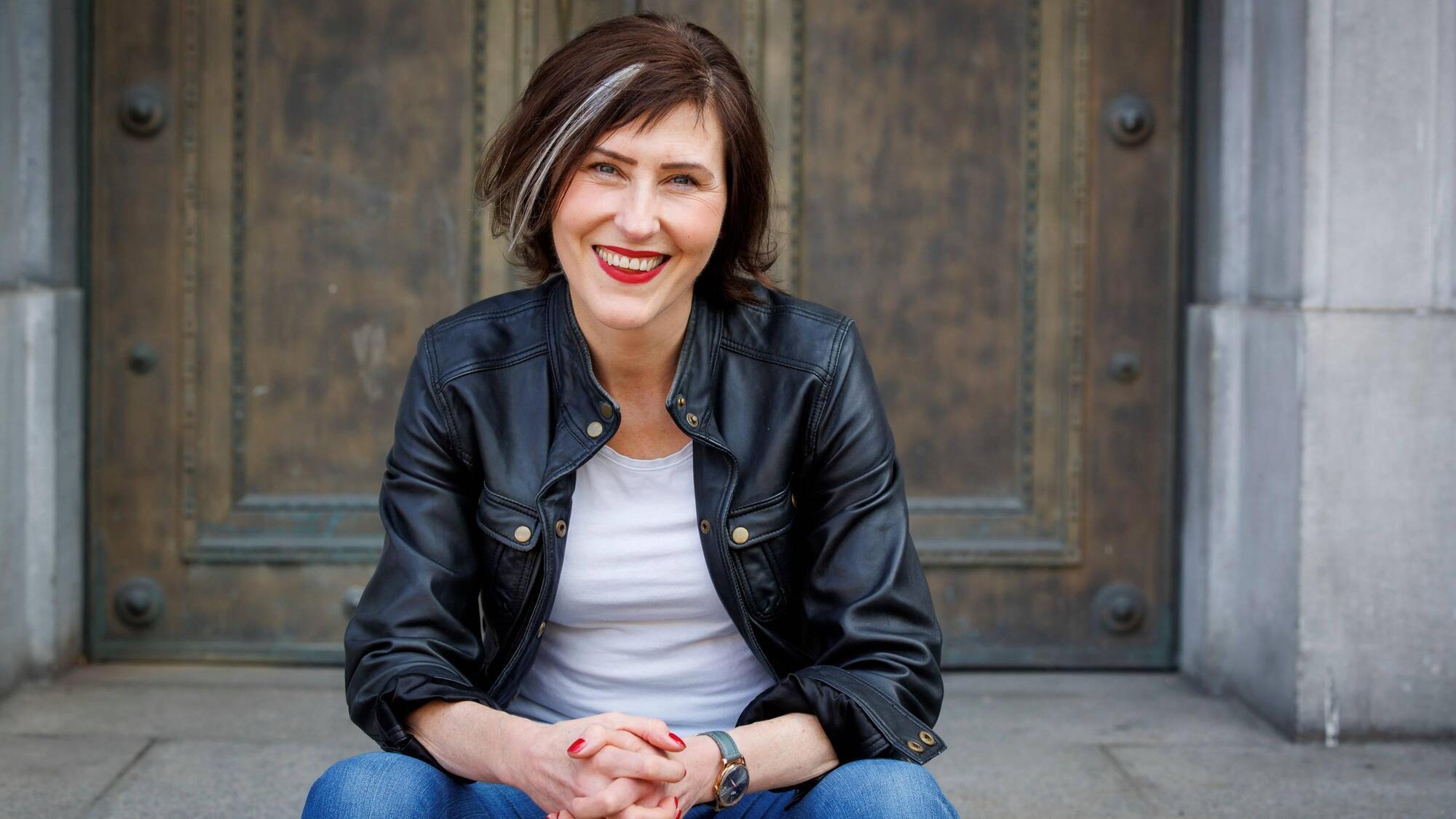
Liz Nolan presents a daily weekday show on Lyric FM. Picture: Andres Poveda
Liz Nolan, 55, grew up in Greystones, Co Wicklow. She started working with RTÉ Lyric FM in 2001, presenting various radio shows, including Classic Drive, A World of Song, Lyric Notes and Lunchtime Classics. In 2015, she won a bronze award for Best Overall Music Presenter at the PPI (now IMRO) Awards. She presents The Full Score weekdays 1pm-4pm on RTÉ Lyric fm.
I adore Véronique Gens, a French soprano, singing French song. One of her recent albums, one of many, is called (Countryside). She's an excellent Baroque singer. She's got this wood-wind quality to her voice – this beautiful wood-windy line, pure and round around the sounds. It's hypnotic. I love French Song anyway, because it has so many shades and nuances to it. With French repertoire, you always have this hint towards a myriad of different emotions and colours. Veronique Gens – who comes from the Auvergne region in France – has a gift for putting that across.
It’s interesting – the tradition of choral music in Cork is so wonderful. From my early 20s, I started singing in this choir in Clarendon Street Church, just off Dublin’s Grafton Street. It was a home from home for me for many years. From there, I got this insane love of 16th century sacred music, works by, say, Palestrina, Lassus, Gesualdo, Victoria. I have an awful lot of sacred choral works as well at home, which I love.
The Tallis Scholars came to Cork. They performed at the beautiful setting of St Fin Barre's Cathedral, which is so like a jewel, just there by the river.

And then these extraordinary voices – this silken sound, this endless interweaving of voices, which is called polyphony. That's what 16th century sacred music is about, where they're not all moving in block chords; they're twining around each other like silken strands. The Tallis Scholars are epic at this endless veneration and glory. And the acoustics in St Fin Barre's are great. It's a smashing place. It was one of those evenings which seemed to be surrounded in a golden glow. It was magic.
As a teenager, I fell in love hopelessly and hard with Talking Heads. was their first album I got into.
I love the nervy edginess of them, this feeling of being a nerd – which is absolutely what I am – and the brilliant eccentricity of their songs. The best concert I've ever been to was David Byrne and his Rei Momo Tour at the Point in 1990. I'll never forget it. It was like a religious experience.
I adore Benjamin Britten. When I was 16, Opera Theatre Company, which was the precursor to Irish National Opera, had their first production at Dublin’s Gate Theatre of Britten’s opera, which is his adaptation of a novella by Henry James, this ghost story about two children at a mansion in the country being possessed, we think, by the ghosts of dead servants. Britten had such a gift of writing for children's voices.
At the heart of the story, you get these two innocents, these two children bewildered by all the longing and the need and the darkness around them. It was a brilliant production. I remember at the end of the first act, when the curtain came down, there was this stunned silence in the audience. Nobody even knew to clap. That's what it's all about – when opera throws up something so visceral.
Brahms’s Symphonies are always on my hit list – for something containing all the riches of the world. He only wrote four. He was such a perfectionist. He took 20 years to write his first symphony. When you hear the earned beauty of it – it comes in like a pounding headache with this dissonance crashing into this euphoria. It's immense.
When I hear those first bars of that Symphony No. 1, the hair rises on my arms. It’s brilliant when you hear such profound longing and brilliance coming together in the one work.
I'll never forget my first time reading Angela Carter’s It was like the veil of the temple just being torn, almost as if the world turned from black and white to technicolour – the Baroque extravagance of her writing, her use of fantasy and fairytale, and the theatre, this feral savagery, this amazing permission.

I was coming out of a 1980s girlhood where life was a lot smaller. It was transformative – this universe of opulence, danger, impossible beauty and passion. I went through Angela Carter's books like a glutton. I love them all. I still read them today.
Toni Morrison’s command of language is almost like a religious experience. A book like every time I say the word “beloved”, I hear the resonance of this powerful, terrifying story of maternal love and the bond between mother and child and the way in which it overtakes all considerations of morality or of life and death itself. Her shattering depictions of the experience of life as an African American during the historical periods she wrote about is so moving.
They're always saying, “the difficult second album”, but Margaret Atwood’s is a magnificent sequel to Can you imagine the idea of a follow-up to which was such a staggering, terrifying portrayal of a dystopian future?
Except, of course, everything in is based on atrocities which took place in various regimes against women, so it’s rooted in reality. I love her puckish humour, her way of refracting reality a tad, making you reevaluate the minutiae of life, questioning stuff you've taken as certainties or facts. She seems able to convey the slightest nuances of female experience. She's the business.
I saw my favourite film in Cork. The old Kino cinema was showing a retrospective of the Polish director Krzysztof Kieślowski. It was the last film from his Three Colours trilogy – based around the colours of the French flag, liberty, equality and fraternity.

It’s the most life-affirming film – its expression of this shimmering, radiant humanity; the story of this old man who has half given up on life and this idealistic young woman. It was set in Geneva, with this glorious Alpine light shining down.
It’s a remarkable film because it’s easy being clever, being cha-cha, but it’s something else to leave space to convey such a feeling of goodness. It’s a film of so much hope, integrity and stylistic nuance. Kieślowski is such a wonderful observer. I remember walking out of the Kino, on one of those gorgeous evenings, feeling invigorated.
Greg Jenner does this brilliant podcast, It's a clever premise. He picks a historical subject, say, Cleopatra, and he brings in one person who's a top authority on that bit of history. Then he brings in a comedian who may or may not have some passing, vague knowledge – or maybe no knowledge at all – of the subject. Then they toss around observations, between the authority and the comedian. It's hilarious, and you pick up so much knowledge. It's fantastic because it's light-hearted but underpinned with serious academic research.