Podcast Corner: History Bureau dips into murky world of dirty deeds in Russia
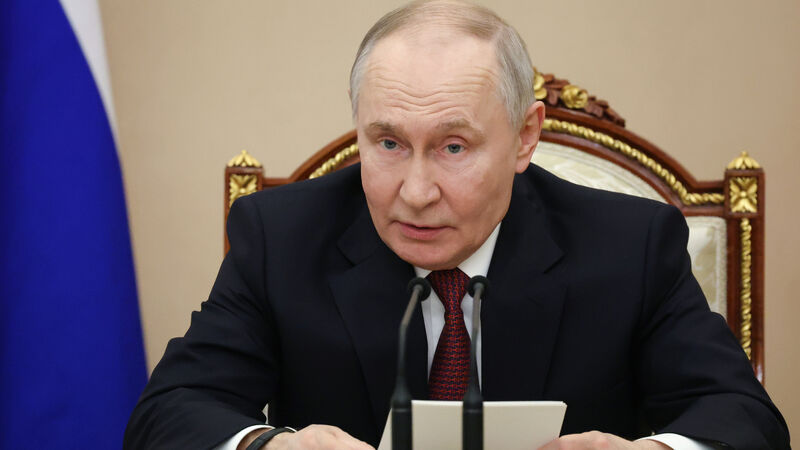
Vladimir Putin was just weeks into his first premiership at the time of the apartment bombings in September 1999. File picture: Vyacheslav Prokofyev/AP
(BBC Sounds) seeks to revisit the "defining stories of our times with the reporters who first covered them”. It asks what did we miss the first time round and offers a second draft of history, says presenter Helena Merriman (Tunnel 29 and Room 5).
The first season, Putin and has just wrapped its seven-episode run. In September 1999, just weeks into Vladimir Putin’s first premiership, four bombs blew up four apartment buildings during the night, killing hundreds and plunging Russia into fear.
At the time, the Kremlin blamed Chechen militants and most reporters followed suit. Some 25 years on, as Putin wages war against Ukraine, that narrative looks far less settled. re-examines the whole story.
Among the reporters who feature in the series is Stewart Lee Myers, the then Moscow Bureau chief for the “At the time, Putin was surprisingly popular. He had surprised people by how vigorous he was as a leader,” he says.
Jeremy Vine, a BBC journalist who covered a press conference detailed during the series, in which Boris Berezovsky blames the FSB and Putin for the bombs - allegations that most journalists in the room dismissed as too wild to take seriously - says this was a time when it seemed like Russia was on its way to democracy.
“So it’s that brilliant hindsight thing that you’re doing on this podcast which is enabling me to see with the rearview mirror what I could not see on the day,” says Vine.
Looking at some of the events unfolding around the world as 2026 begins, one wonders how things will be remembered with hindsight in another quarter century.
(The Guardian) is a six-part series narrated/reported by Sirin Kale and Lucy Osborne about the Free Birth Society (FBS) and the key figures behind it selling a simple message: “Women can exit the medical system and take back their power. You don’t need ultrasounds - they’re dangerous. You don’t need doctors and midwives - they’ll assault you with unwanted medical exams. You can do this on your own. You can free birth.”
Over the course of the series, we hear how the FBS grew from Facebook messages about an idea a decade ago into a multimillion-dollar empire. This is a years-long investigation and throughout are real stories of women and tragic loss.
Like , a series about how women’s pain, particularly around aspects of pregnancy, can be dismissed in the health system, exposes another side of broken trust.