Book review: How criminals are making a killing
Never a better time to be a criminal, says author Oliver Bullough, saying around €50bn a year washes through Europe’s money laundering schemes
Book review: How criminals are making a killing

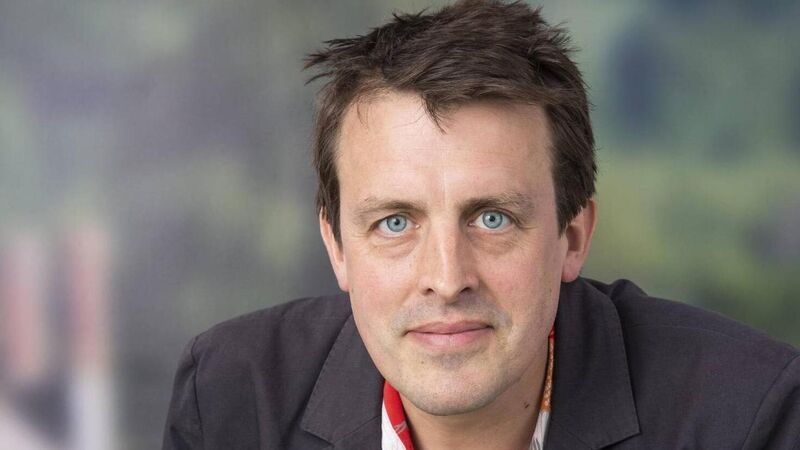
Oliver Bullough. Picture: Paul Musso

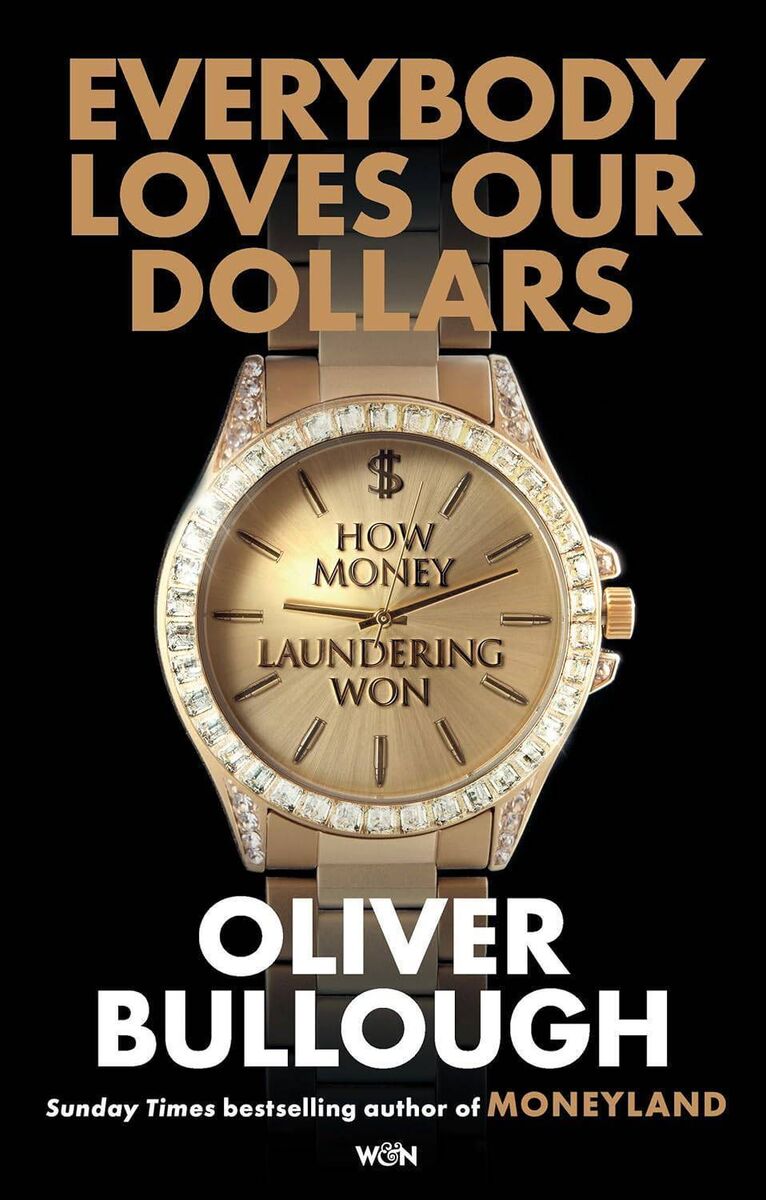
  • Everybody Loves Our Dollars 
  • Oliver Bullough 
  • Orion, €16.99 

OLIVER Bullough successfully argues that there has never been a better time to be a criminal. He shows how fraudsters, cartel bosses, corrupt politicians, a kleptocrat, or a terrorist leader — and the cash-only plumber you use — have options to move and hide money never so far beyond the reach of state control.

The scale of the resources involved is almost beyond comprehension. He uses a Europol estimate suggesting that around €50bn a year washes through Europe’s money laundering schemes and, at the other side to the balance sheet, shares a suggestion that up to 80% of “luxury” watches are bought as part of money laundering exercises. Bangles of dishonour, as it were.

The hope that the law is effectively confronting money laundering is laid bare too. Bullough points out that the idea of controlling who has access to financial services has become an endless charade of back-and-forth between financial institutions and under-resourced (deliberately?) authorities.

He describes how banks send details of millions of suspicious transactions to state watchdogs who can’t investigate a fraction of them. The great majority of these are barely reviewed, much less pursued. Despite this culture, the pretence of regulation costs bank customers hundreds of millions each year. 

Like the war on drugs, it is little more than vacant window dressing.

Turning a blind eye, the EU is undermining its credibility by closing registers of company ownership in response to a case brought by a Russian who objected to being identified as the owner of a company.

Transparency as a tool to protect citizens, indeed. That is galling, but Bullough’s focus on how debanking is weaponised is another shaming indictment.

He describes how charities sending money to conflict zones, say Somalia or Gaza, are routinely denied bank services, thereby exacerbating tragedy. That this drives those blacklisted into the arms of the back-street bankers shows how very counterproductive debanking based on guesswork can be.

He shows how this sledgehammer is routinely used against Muslims or Muslim-led organisations. He also describes too how amoral regimes, particularly Israel, are all too happy to make false allegations against charities, knowing they will be sidelined when denied bank services.

Despite that dispiriting charge sheet, Bullough offers a solution that if it would not end money laundering, it would make if far more difficult. It is focused on the US, though the US is far from the only facilitator of this sleazy business.

He suggests that if all states stopped printing large denomination bank notes, anything beyond $50, say, it would throw a spanner in the works for the €50bn a year dodging in Europe alone. The prospect of a Trump White House leading that change seems at best remote, especially as they accumulate the spoils of war.

This is one of those valuable books that tells us how our world is rather than how we imagine it to be. It shows how precarious our idea of sovereignty really is and that we must do much more to safeguard it. 

Will we?

BOOKS & MORE

Check out our Books Hub where you will find the latest news, reviews, features, opinions and analysis on all things books from the Irish Examiner's team of specialist writers, columnists and contributors.


More in this section

Scene & Heard

Newsletter

Music, film art, culture, books and more from Munster and beyond.......curated weekly by the Irish Examiner Arts Editor.

Cookie Policy Privacy Policy Brand Safety FAQ Help Contact Us Terms and Conditions

© Examiner Echo Group Limited