Culture That Made Me: Mary McCarthy, director of Crawford Art Gallery, picks her touchstones
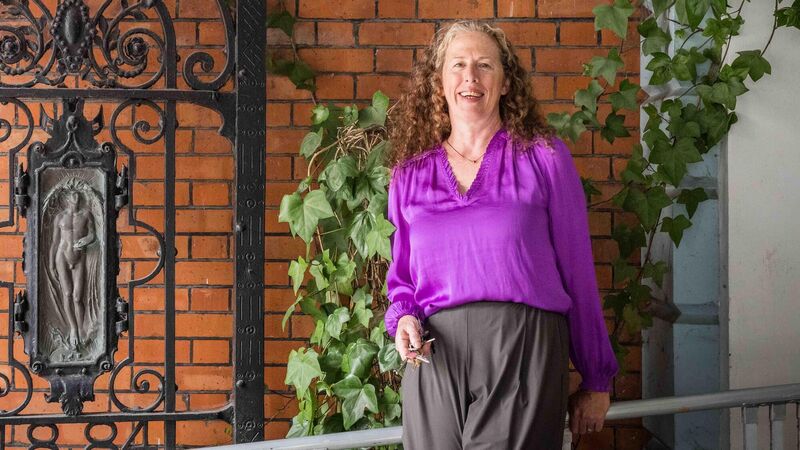
Mary McCarthy: the West Cork woman is director of the Crawford Art Gallery.
Mary McCarthy, 55, grew up in Whitehall, near Skibbereen in West Cork. She has worked in commercial galleries in New York, Dublin, and at the Irish Museum of Modern Art (IMMA).
In 2005, she served as deputy director of Cork’s European Capital of Culture and worked for several years as director of the National Sculpture Factory. She was appointed director of Cork’s Crawford Art Gallery in 2018, and is currently overseeing a major renovation of the facility.
When I went to college at UCC, I remember being impressed by American literature — artists like Saul Bellow and his novel
It opened up a different landscape, a different set of social relationships, different cultures, particularly Jewish culture, and a different sensibility. There was a sense of more colour, of more possibility, coming from where I came from — an Irish-English world in the late 1980s.
It felt like a sunnier place, even though it was dark in its subject matter, and a bigger world.
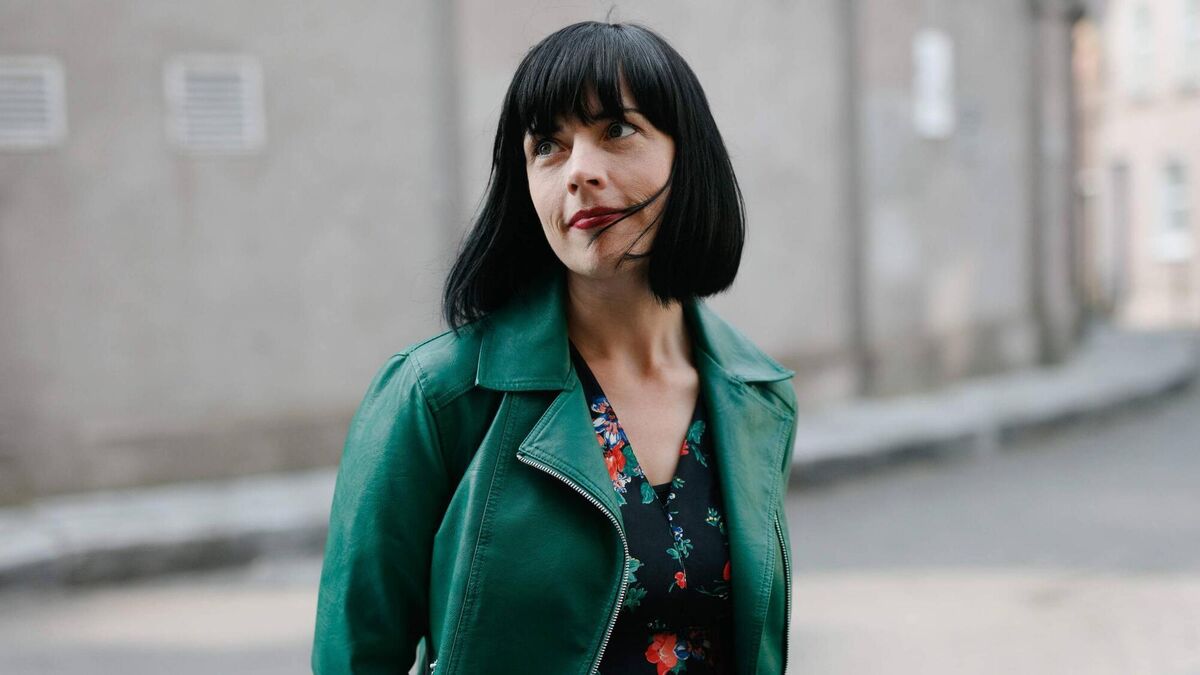
I find when I'm reading Doireann Ní Ghríofa’s books, there's a great sense of empathy and character development. She’s a very visual person. She's interested in other cultural art forms and in visual art.
She often comes into the Crawford. Her book spoke to me. In it, and in her poetry, there's a sense of lyricism that comes from the Irish language. Her use of language is rich. It takes us out of that Hiberno-English world, and brings us into a much more lyrical and almost melodic sense of English that I really enjoy. She's in tune with the human spirit and loss.
I remember seeing Patti Smith in West Cork in 1997, down at the Liss Ard Estate in Skibbereen. Herself, Nick Cave, and all these other acts were playing these very small concerts for about 300 people.
Patti Smith would be on stage, and you'd turn around and you'd be standing next to Nick Cave, in the audience beside you. It was a magical time.
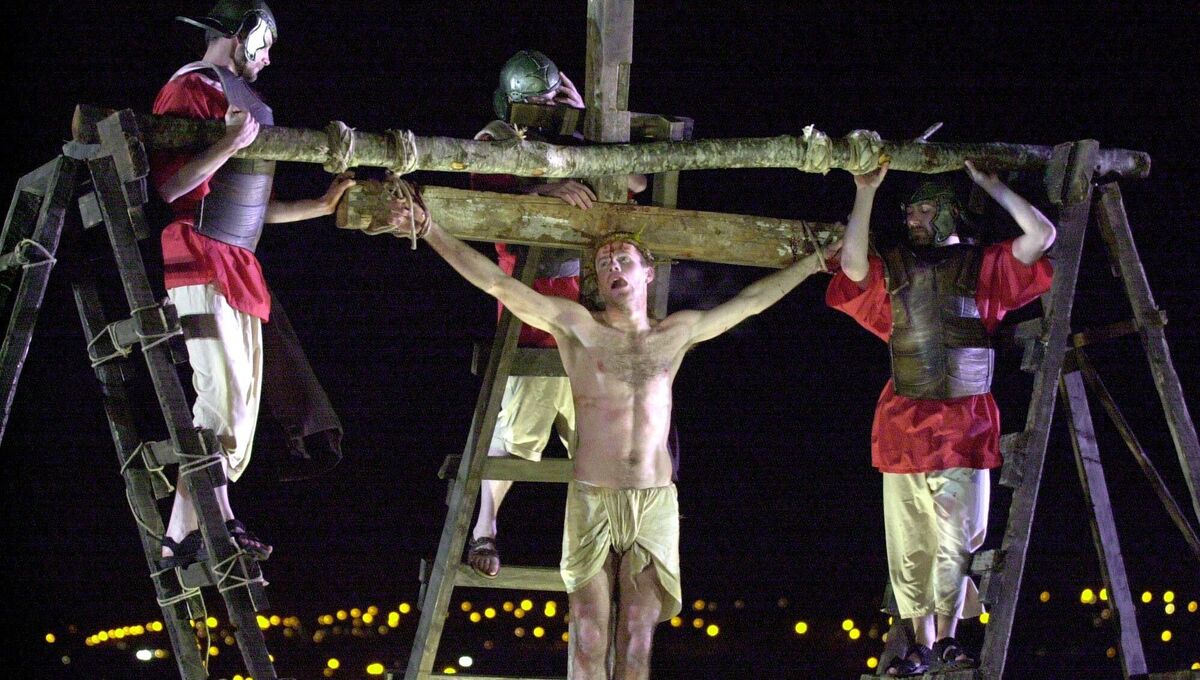
For my generation, Corcadorca Theatre Company was a gamechanger. They transformed our view of what theatre was. They got us into different venues. When you think of all the places we've been with Corcadorca, be it the up and down Patrick's Hill, or in Fitzgerald’s Park, or the great productions during Cork Capital of Culture 2005 they produced.
Brave, ambitious spectacle. They got us into immersive theatre that was unpredictable, that was social. You'd go along and you'd meet people – promenade productions, so you weren’t stuck in a theatre seat. They're a real loss to the city, but they did their time. They served us well.
What I love about Kevin Barry is often there’s a journey in his books — we're on the road. He captures the Irish spirit so well. He scratches the surface. He gets us, and he puts us into other contexts. He was around the Cork scene that my generation was.
He wrote a brilliant piece in about living in Cork’s flatlands in the 1990s. He has a great sense of irreverence. To write humour well is very difficult, but he manages it so well. He's writing about serious matters, but he's making them infectious by the kind of characters he puts into them.
I'm a huge fan of Kevin Barry and his partner Olivia Smith’s — a series of short stories from other writers every year. It's a limited-edition publication. It's so beautifully crafted and curated by them.
It has their humanity in the selection of the stories and it’s exposing us to new writing. They're collectible items. It's like the annual for our generation. We wait for it. We know it's going to come out in November. If you don't get it quick, it's sold out. is a special thing.
I’m a real fan of Cónal Creedon. Increasingly, I see the greater reception Cónal Creedon's writing gets nationally and internationally, and it pleases me. He writes about the smells and sounds of this place — Cork.
His recent collection is a beautiful compilation of a lot of his writings. It's highly crafted and very evocative of Cork. And he’s prolific.
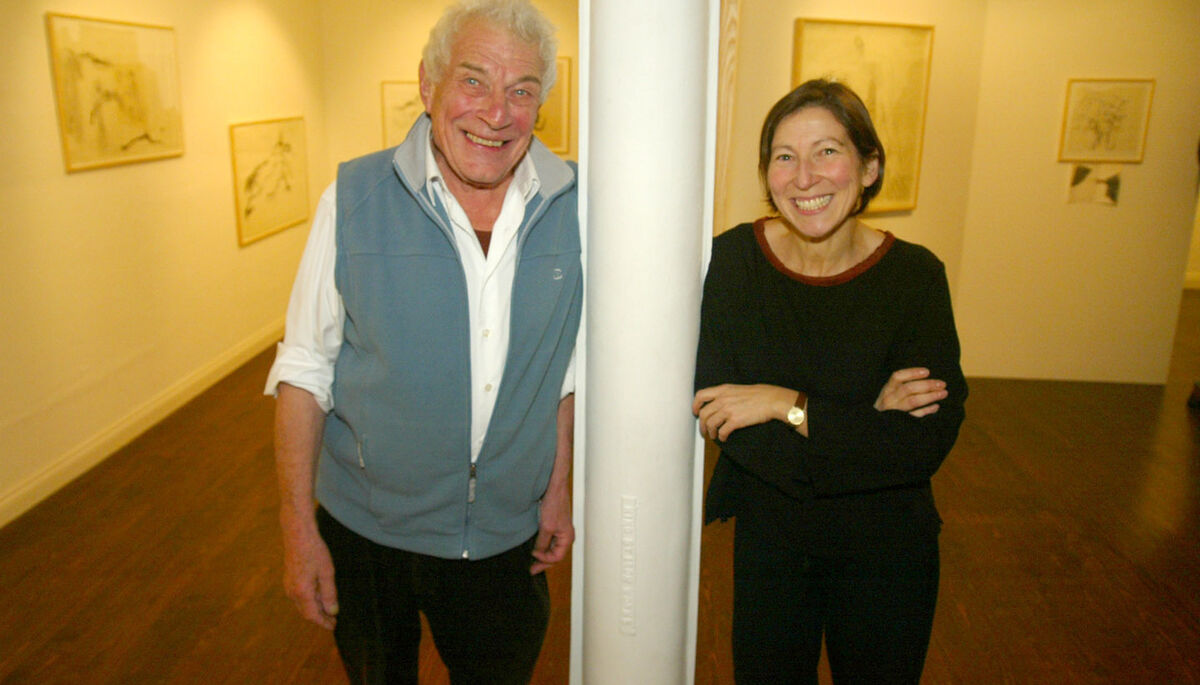
One of the greatest visual arts books is John Berger's . We were lucky to bring him to Cork in 2005 for Cork’s European Capital of Culture. He has since passed.
He was English. He left England and went up the mountains in France, trying to get away from the contamination of society. That resonated with me as somebody who grew up in West Cork — a lot of artists also came to West Cork to get away from bigger places to be able to think differently.
grew out of a seminal TV show. It’s a classic textbook. It's about how we feel the world, how we look at things, how we perceive reality. If we don't unpack how we perceive the world, we are in trouble.
We just purchased for Crawford Seán Keating’s , which is an incredibly powerful image of his wife, May, sitting by a window looking out.
It was painted in 1924, around the same period as . It's a very gentle portrait. His subject matter is often landscape and male; this is a beautiful portrait of his wife sitting, reading a book at a window.
We know that his wife spent a lot of time being ill. So, it's a very tender portrait and it's incredibly modern — if you look at the clothing. There's an incredible sense of calm in it. He's a very fine artist.
Daphne Wright is an Irish artist. We did a show of hers at the Crawford in 2019. She made these beautiful sunflowers,
They’re about 2m high — the bowed heads of sunflowers raising their heads to the sunshine. They’re magnificent.
There’s something about them that captures this amazing fragility of these incredible flowers that are quite global. I think about them often.
I'm glad the National Gallery of Ireland bought them so I can see them again.
I'm very fond of our Canova Casts at the Crawford, our classical sculpture collection. They’re in storage now. Historically, when you came in the door, they were in the blue room to the left.
These casts came to Cork as a gift in 1818. They came from Antonio Canova, an Italian sculptor. They’re a masterpiece. They were initially used for medicine students so they could study anatomy. They were used by artists over centuries in Crawford to do life drawing.
What I love about them is they're a testament to craftsmanship at a certain time and they link Cork to a big, European history and tradition of artmaking and representation.
Stephen Doyle is a young artist based in Cork who is amazing. He's an incredible painter working in three-dimensional. He's traveling quite a lot, using his trips to China to represent contemporary figures in the international landscape.
As a gallery based in Cork, we love to see people like Stephen choosing to stay living in Cork and having a career out of here.