Tom Dunne: I'm thankful for the Grateful Dead, even if I'm not a big fan of their music
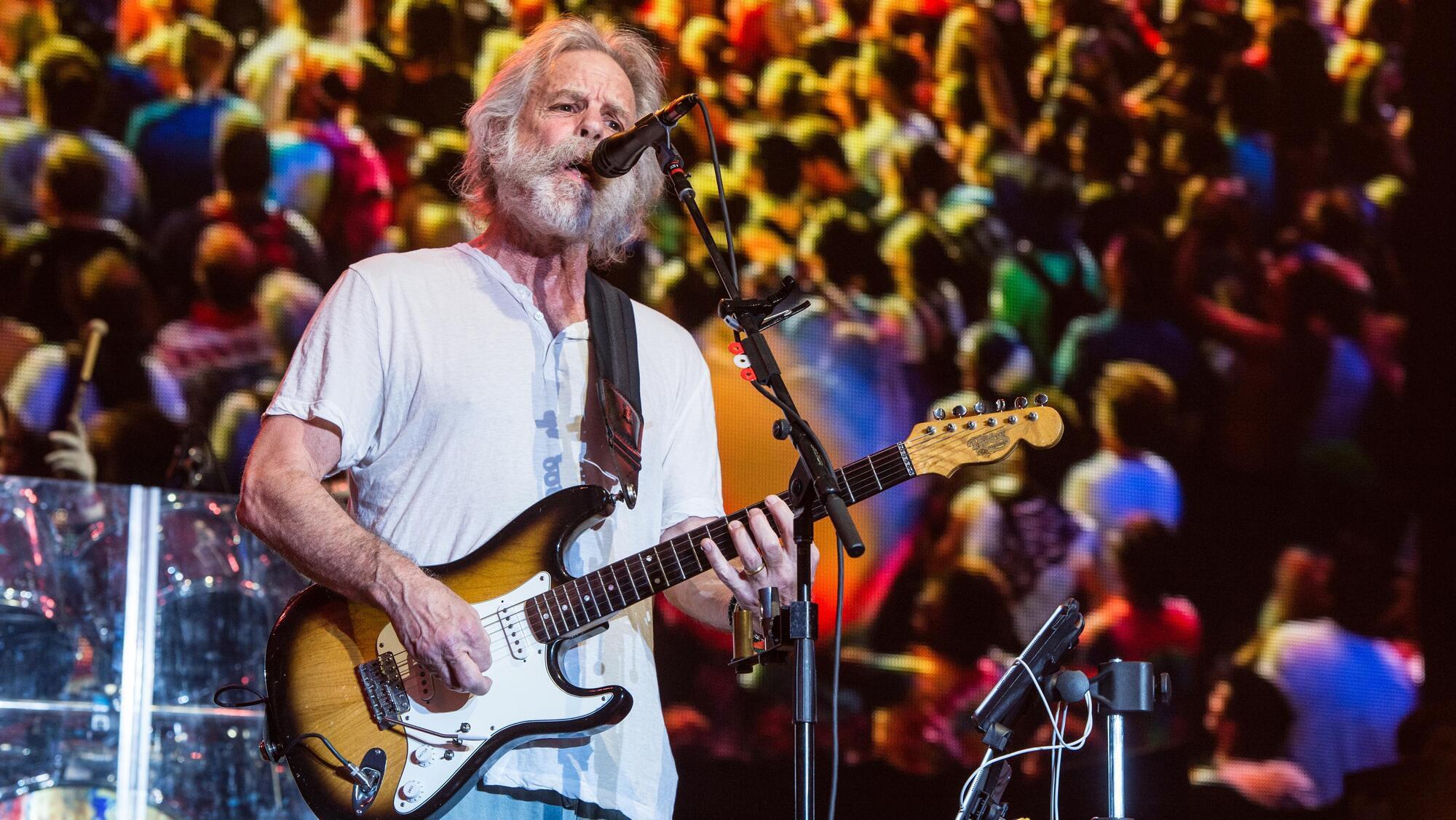
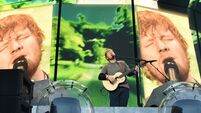
Bob Weir of the Grateful Dead died recently. Photo: Amy Harris/Invision/AP
I was saddened to hear of the passing of Bob Weir this week, a founding member of the Grateful Dead, their guitarist and writer of some of their best songs. He was a key mover in a story that is such a part of the 1960s American counterculture it’s hard to exaggerate.
He was the junior member of a founding trio that included Jerry Garcia and Phil Lesh who were five and seven years older than him. At one point they fired him but, like George after he inadvertently resigned in Seinfeld, he just kept turning up as if nothing had happened. Eventually they took him back.
The Dead – you couldn’t invent this – began life as the house band at Ken Kesey’s famous Acid Test Event parties in 1965-66. Yes, people were testing LSD, which was then still legal, and the Dead’s job was to improvise music endlessly, a skill they would base their entire career on.
Soon after they had graduated to being Nixon’s poster boys for all that was wrong with American youth. Photos of Garcia were used in the actual publicity. They encouraged audiences to record the shows. A single song sometimes lasted 45 minutes.
Those who supported and followed the band became known as ‘Dead Heads’. That is why the line in Don Henley’s “Another Dead Head sticker on a Cadillac” is so perfect. It tells you everything you need to know about that place, that time and those people.
I, entering this music world on the Punk Rock bus, struggled with all this. It was hard for a boy lapping up values like a return to the basics and the immediate banning of guitar solos to embrace a band that had songs longer than The Undertones’ set. I did try but it wasn’t easy.
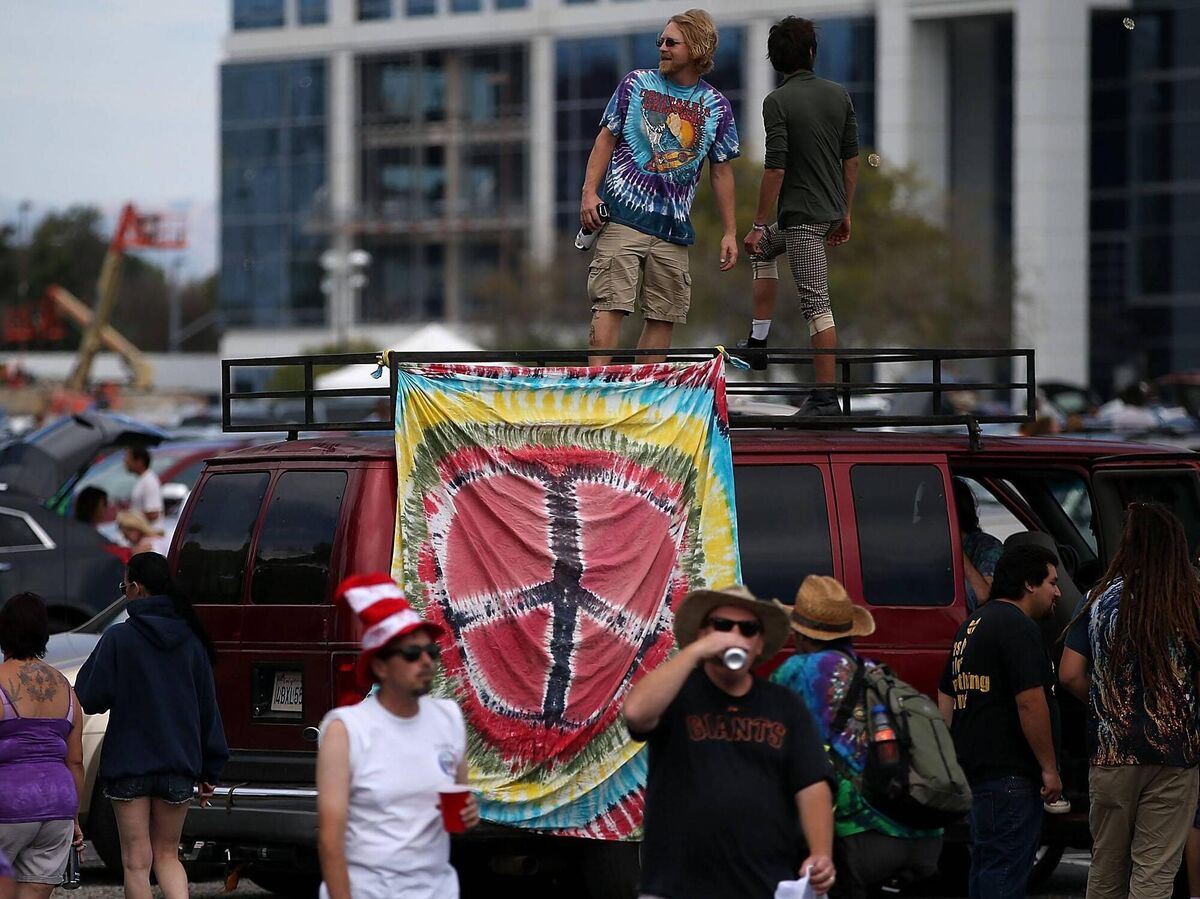
The Dead fans I met in America were evangelical. Just saying the name seemed to tell you all you needed to know. It wasn’t a gig as much as a short holiday. You packed a bag, loaded the boot with beer and food. It didn’t matter if you got in, you just parked nearby and partied.
Amongst those who have told me “You need the Dead, man” with a level of fervour normally associated with religious zealots were Jenny Lewis and Anais Mitchel. Lewis performed in a session – superb – and on Mitchel’s suggestion I bought
But still my conversion wouldn’t come. I still viewed them as something akin to baseball or pretzels: Wonderful American institutions, fabulous in their own way, but destined to never really cross the Atlantic. At least not in the direction of my home in Dublin.
Their influence on bands I love is what mostly convinces me to try and try again with them. A tribute album, released in 2016 and featuring Wilco, The National, Jenny Lewis, War On Drugs, and Flaming Lips speaks volumes to the idea that the problem with their music lies on my side, not theirs.
Elvis Costello talks of getting into the Dead because he felt it was “so far out” that “nobody else would go there.” He saw them, aged 18, at 1972 Bickershaw Festival and it inspired him to form a band. Joe Strummer was there too and said it was his favourite concert.
Despite being never remotely interested in commercial success, the Dead, even after the death of Garcia in 1995, were massive. An incarnation of the band, Dead and Company, put together with John Mayer in 2021, was the fifth-highest grossing USA tour that year. Earnings in 2023 were $115 million. In 2024, the show moved to the Sphere in Las Vegas.
Weir was a benign, eminently likable figure in all of this. He once said “I never make plans. I was always too busy.” In his final shows at San Francisco’s Golden Gate Park, a venue the band would have played 60 years previously, he talked of the Dead’s songs, and their performance as being something that was just getting started.
He said he had had a dream in which he saw young musicians playing those songs for hundreds of years to come. I hope he’s right. Music needs that free spirit, that freedom to just get up and play and see where it takes you. It isn’t anti-commercial; it just isn’t commercially driven.
Rock on Bob. And for me with your music: there is still time.