Culture That Made Me: Ger Gilroy of Newstalk selects his touchstones
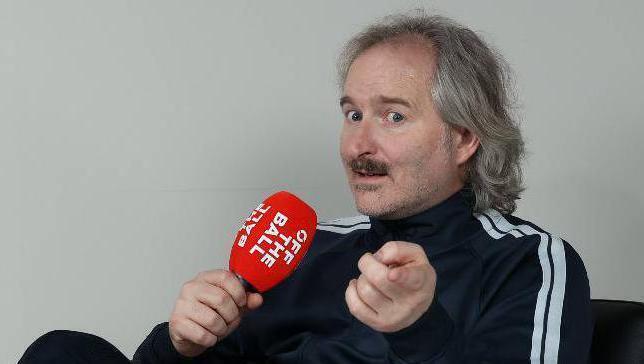
Ger Gilroy presents Off The Ball on Newstalk.
Born in 1977, Ger Gilroy grew up in Athy, Co Kildare. In 2002, he joined Newstalk radio station, working as a sports editor and co-presenting its breakfast show for several years.
He has presented sports programmes on television, including Setanta Sports and UTV Ireland.
In 2018, he became managing director of while continuing to present on its sports radio show, weekdays at 7pm on Newstalk. See: www.newstalk.com.
I discovered around the same age as Sue Townsend’s character was in her books. There was a tiny element of raciness and transgressiveness to them.
I grew up in the ’80s in Ireland, a very monochromatic world, and Sue Townsend created this not monochromatic world.
The books are brilliant, hilarious. It’s unrequited teenage love. The storytelling is excellent. She's a genius.
In first year in college, everybody had a book they liked to talk about relentlessly. Milan Kundera's was our “look how clever we are” book.
It has a lot of existential dread in it. I'm not sure I understood it, but there are certainly bits of it, catchphrases, I could still remember.
One of the main characters repeated aphorisms to himself — “Einmal ist keinmal”, once is nothing, stuff like that.
Eamon O’Shea, a former Tipperary hurling manager, once talked about trying to create space for the forwards and he compared it to I had an idea what he was talking about there.
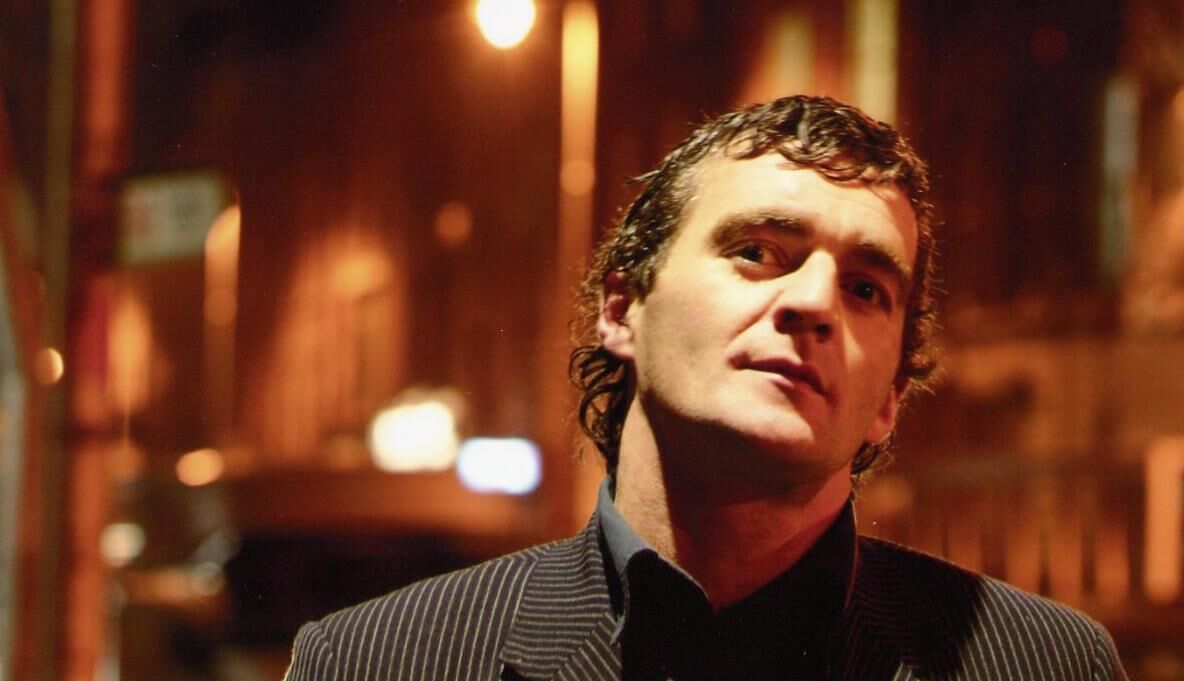
My love of radio growing up comes from listening to Dave Fanning and Dónal Dineen. I loved watching Dónal Dineen on in the 1990s. I loved his presentation style and the quality music he picked.
He’s totally laid back, ego free, self-deprecating. He lets the music talk. You don’t get that from a lot of broadcasters. They both totally love the music they’re talking about, unafraid to say: “I love this.”
I read by Douglas Coupland at the end of college. There are some great scenes in it. The main characters all settle in the California desert.
Among our friends on J1, we concluded: “When we're old, we should buy a commune in Mexico and go off there.” At Christmas time, when we meet up, we still go, “That's a great plan we had when we were 21.”
I love all the Douglas Coupland stuff. I went through a long period of giving one of his books, as a gift. It's a great joke title, and it's a brilliant book.
He's also a brilliant creative visual artist, making art from everyday things like a coffee table made from watering cans. The guy’s got a giant creative brain.
There was a version of Samuel Beckett’s I saw in college that left me depressed for about two weeks. Characters in typical surrealist Beckett fashion, essentially living in dustbins, without much to look forward to.
The nihilists have taken over. It was done by an amateur theatre company. The main actor, she might have been 21-22, and she was astonishing.
I love cooking. I listen to a podcast called The hosts, Gareth Mullins and Gary O’Hanlon, have known each other for a long time.
They can have a bit of a back and forth where they express opinions. I always come away from it keen on getting into the kitchen and cooking and trying something.
The first proper non-fiction I read was anthology by Tom Wolfe. I was low-key obsessed with that collection and that era of writers, that whole period, those guys — Tom Wolfe, Gay Talese, Hunter S Thompson, Joan Didion — were such high-quality writers.
After getting into TV series, I read David Simon’s — 600 pages on a year in the life of Baltimore’s murder detectives, which ultimately became a TV series .
Most of the characters end up being turned into fiction for The detail in the book is incredible — that American ability to put yourself in the room and to hear what they’re saying. As a reader, you’re totally immersed in this world.
Patrick Radden Keefe’s and Rory Carroll’s as companion pieces — trying to understand where we are, where we come from, where we're going — are both spectacular.
is unbelievable. It's an astonishing work he manages to pull off, knitting it all together. You know from the first page she doesn’t die. There's no mystery in it. Yet he manages to build up this incredible tension.
takes the story of Jean McConville, who in many ways is forgotten, a minor player in the history of the Troubles, and puts her centre stage. It deals deftly with the politics of condemnation. He's a very talented writer.
Not to sound all G-Mac, “so many to choose from”, but by Christy O'Connor is the sports book I would always recommend. It's so personal for him because it is his club.
He's written so many great books as a ghostwriter, as a chronicler, but when you're writing about the stuff that is the most personal to you, it can be very hard — like he's writing about his pals, his family, the town he grew up in.
For him to carry that off, to be so honest, was astonishing. And it has stood the test of time.
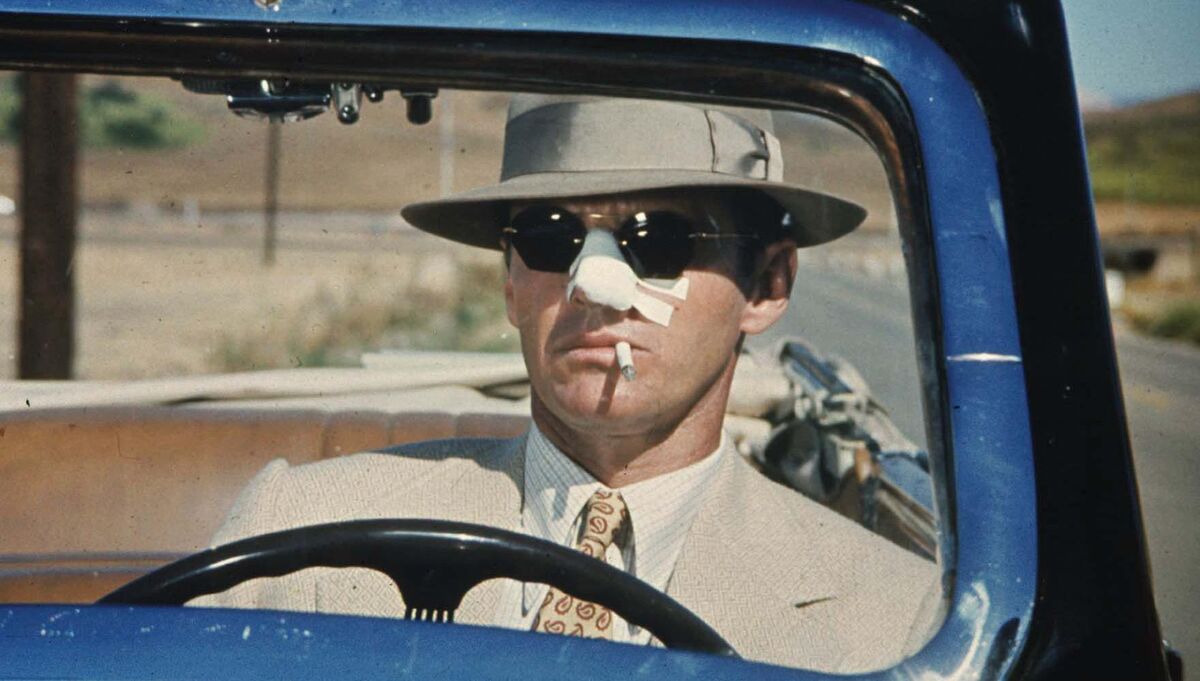
is incredible. Once a year at least I watch it again. Every time I watch it, something new pops in. It's got one of the best villains, peak Jack Nicholson, peak Faye Dunaway.
It's made in the 1970s — during the golden age of cinema — but it’s set 20 years previously so it's timeless in a weird way. I cannot recommend that film highly enough.
I love It comes from a short story by Stephen King. I watched the film when it came out in the late-1980s.
I watched it with my 12-year-old a couple of years ago. She had a similar experience to me going, 'Oh my God, this is incredible'.
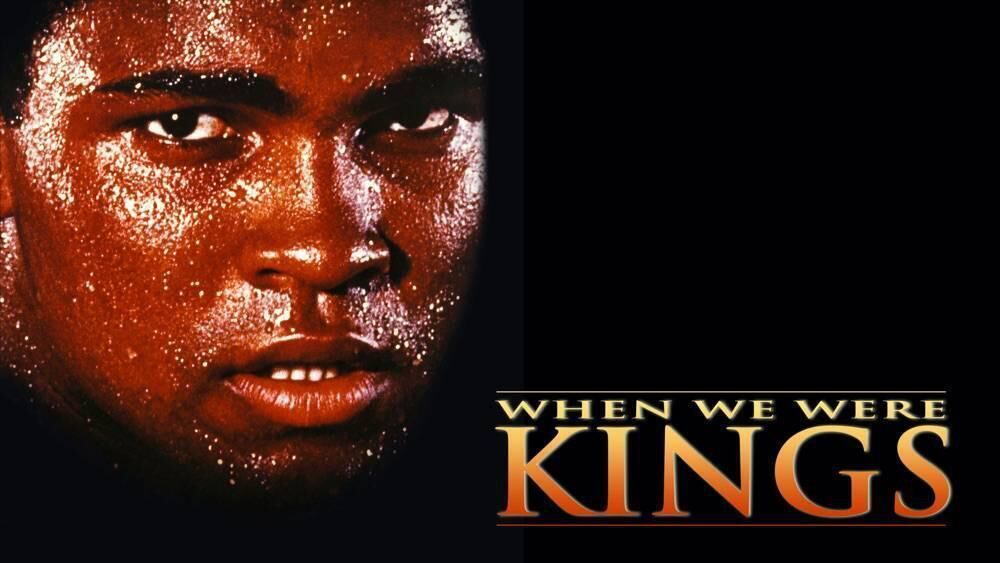
I saw in the cinema when it came out in the mid-1990s. It’s the foundational text of all good sports documentaries.
Without that success at the box office, there's no 30 for 30 on ESPN. I don’t think you get the explosion we’ve had with and by Asif Kapadia.
The fact was treated so cinematically — you can have a successful cinema release; it can be talked about as Oscar worthy and it’s about sport — opened a door.
is a great documentary about homeless people living in the New York subway, with an unbelievable soundtrack by DJ Shadow. The documentary maker, Marc Singer, put in the hard yards.
These people are totally off the grid, living in tunnels, abandoned underground, who don't seem to be engaging with any services. It's an entirely separate world.