Books of the year: Berlin millennials, Belfast mothers, crime, and word-of-mouth successes

Social media malaise, moral reckoning, art and faith, crime fiction at its peak, and a quietly devastating debut all feature in Marjorie Brennan’s selection of the best books of 2025
Books of the year: Berlin millennials, Belfast mothers, crime, and word-of-mouth successes

Vincenzo Latronico: His novel, 'Perfection', which  skewers millennial life shaped by social media is a smart, sharp, and wryly humorous read. Picture: Wiktor Szymanowicz/Anadolu via Getty
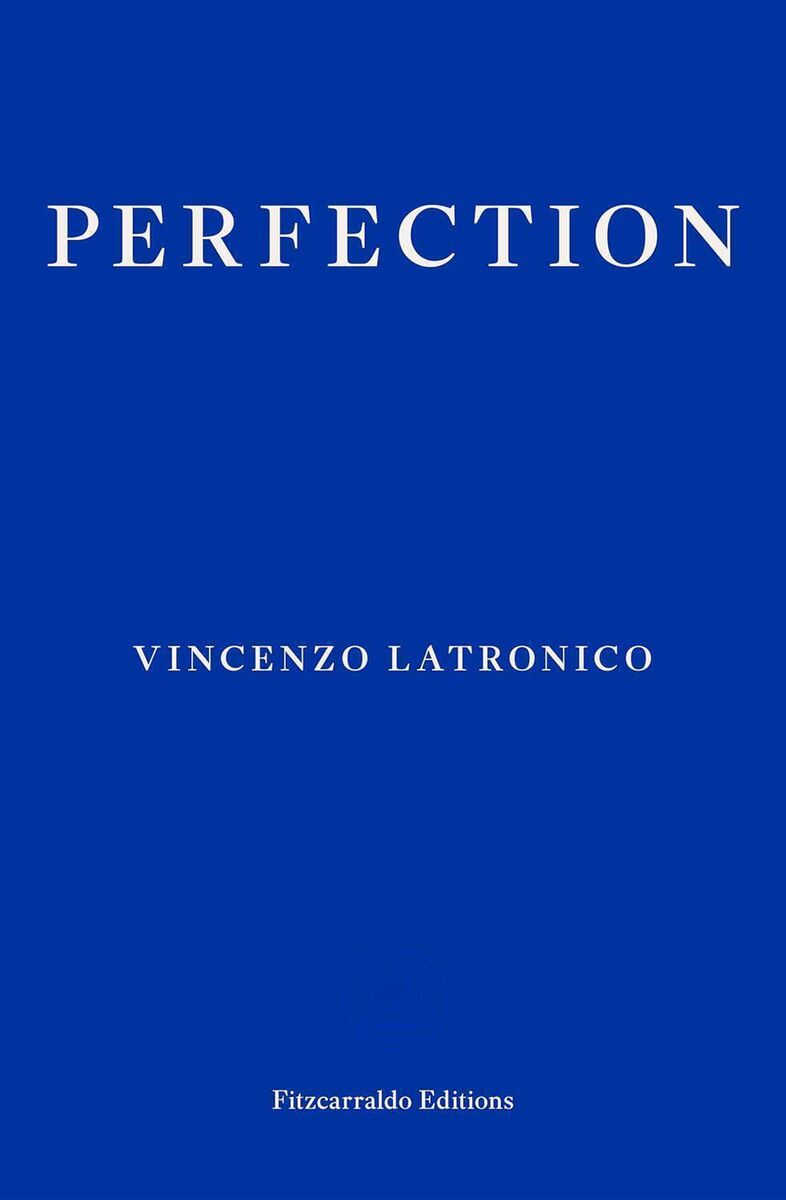
Perfection by Vincenzo Latronico (translated by Sophie Hughes)

This book about millennials living a social media-curated life in Berlin enjoyed a very meta popularity, its minimalist blue Fitzcarraldo jacket beloved of hipsters popping up everywhere on Instagram. 

Originally published in 2022, and released this year in an English translation from the Italian by Sophie Hughes, the slim volume, fittingly suited to dwindling attention spans, is a smart, sharp, and wryly humorous read.

It follows digital ‘creatives’ Anna and Tom, as they strive to stay current in the appearance-obsessed social media age but find themselves ageing out of cultural relevance. 

Latronico skilfully captures their depressingly performative and filtered existence, highlighting how the more relentlessly one chases authenticity, the more elusive it becomes.

The author’s impersonal, observational style works perfectly, mirroring the lifestyle he depicts, along with all the necessary accoutrements from houseplants to avocados. 

Anna and Tom also flirt with real-life activism until it becomes too difficult and real. 

However, the book also invites us to look beyond our initial urge to judge and explore more deeply our own lives and the existential cost of living in an attention economy.

Ultimately, it is about how time catches up with us all, although some are more cushioned from the realities by their entitlement, privilege, and connections. 

Intelligent and pleasant to read, not an easy balance to strike, it left me looking forward to what Latronico does next.

The Benefactors by Wendy Erskine

The Belfast author immediately impressed when she came on the writing scene with her short story collection Sweet Home, which was followed up by the equally accomplished selection Dance Move.

Erksine has spoken about the integrity of the short story form, and how she most definitely doesn’t see it as a ‘throat-clearing’ for the main event of a novel. 

However, The Benefactors did give her more room to showcase her gifts for characterisation and dialogue.

She brings a memorable dramatis personae to life in the book, which centres on the sexual assault of teenager Misty Johnson by three privileged schoolboys and what happens when their mothers close ranks to protect them.

It deals with a range of themes including misogyny, sex, power and parenthood but is far from a tough read. 

Its ambitious polyphonic structure is scaffolded by Erskine’s deftly crafted writing and it resounds with intelligence, curiosity, and mordant wit.

She presents an authentic representation of the teenage experience, and defies cliche in the ways she avoids working-class and sexist stereotypes, exploring a different model of masculinity in the memorable character of Boogie, Misty’s inadvertent but loving guardian. 

Misty is determined to move on with her life and whether justice is ultimately served in the strictest sense, in the end it looks like she gets her wish.

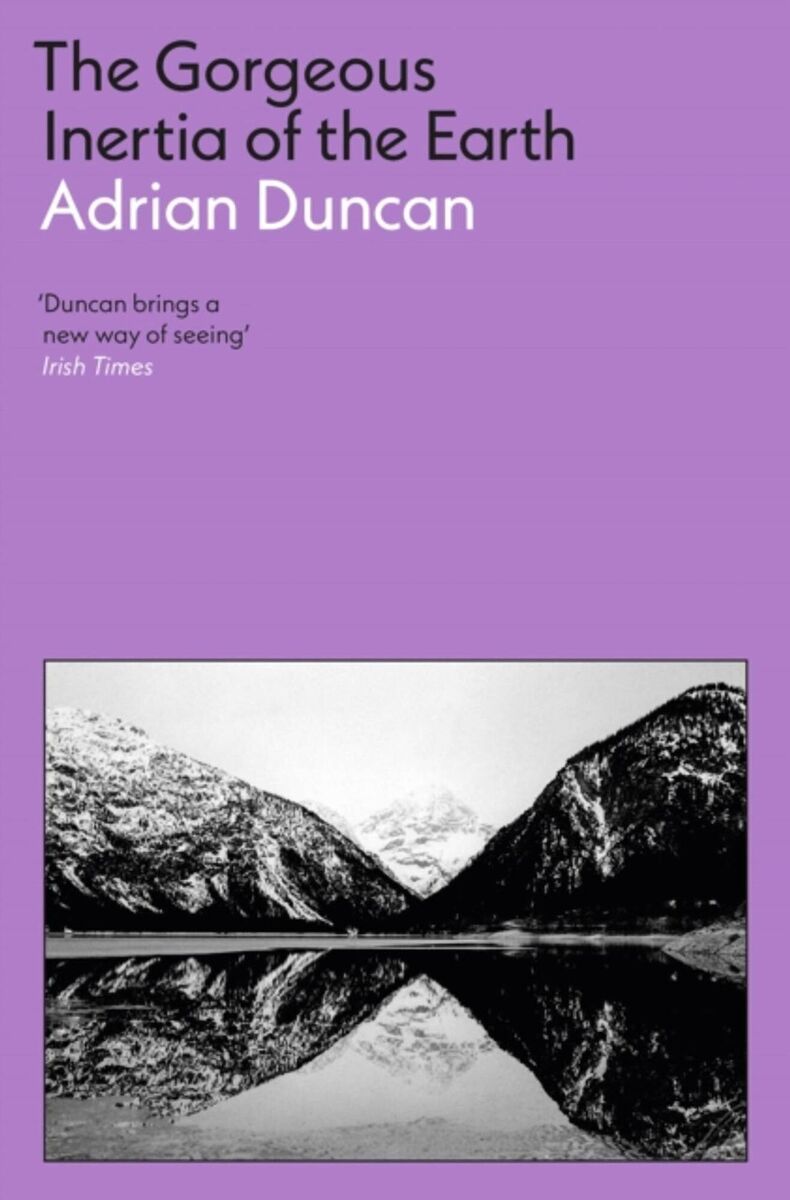
The Gorgeous Inertia of the Earth by Adrian Duncan

Recency bias means books released in January often get overlooked in yearly round-ups but this gem has lingered long in my memory. 

Duncan, originally from Longford and now living in Berlin, has had an unusual trajectory, giving up a career as a structural engineer to study art while taking an evening class in creative writing.

He has been steadily producing stellar work since his critically acclaimed debut novel Love Notes from a German Building Site was published in 2019. 

Duncan’s unapologetically cerebral books stand out in an increasingly homogenous Irish literary fiction landscape.

The Gorgeous Inertia of the Earth is a quiet and subtly powerful book, telling the story of John, a shy stonemason who finds love with academic Bernadette while working on a sculptural project in a fictional European city and later moves from Ireland to Italy to be with her.

When he is asked to pray for a good friend who is dying back home in Ireland, it plunges him into a crisis, and he ends up on a delirious tour of Bologna’s churches, an experience which echoes his late mother’s religious visions.

Duncan’s approach to the book was inspired by real-life objects including a sculpture of 19th century German literary couple Bettina and Achim von Arnim near his home in Berlin and the ancient Greek statue known as Kritios Boy.

A beautifully reflective and contemplative book which centres art and the act of creation as vectors of transformation, a theme that couldn’t be more timely.

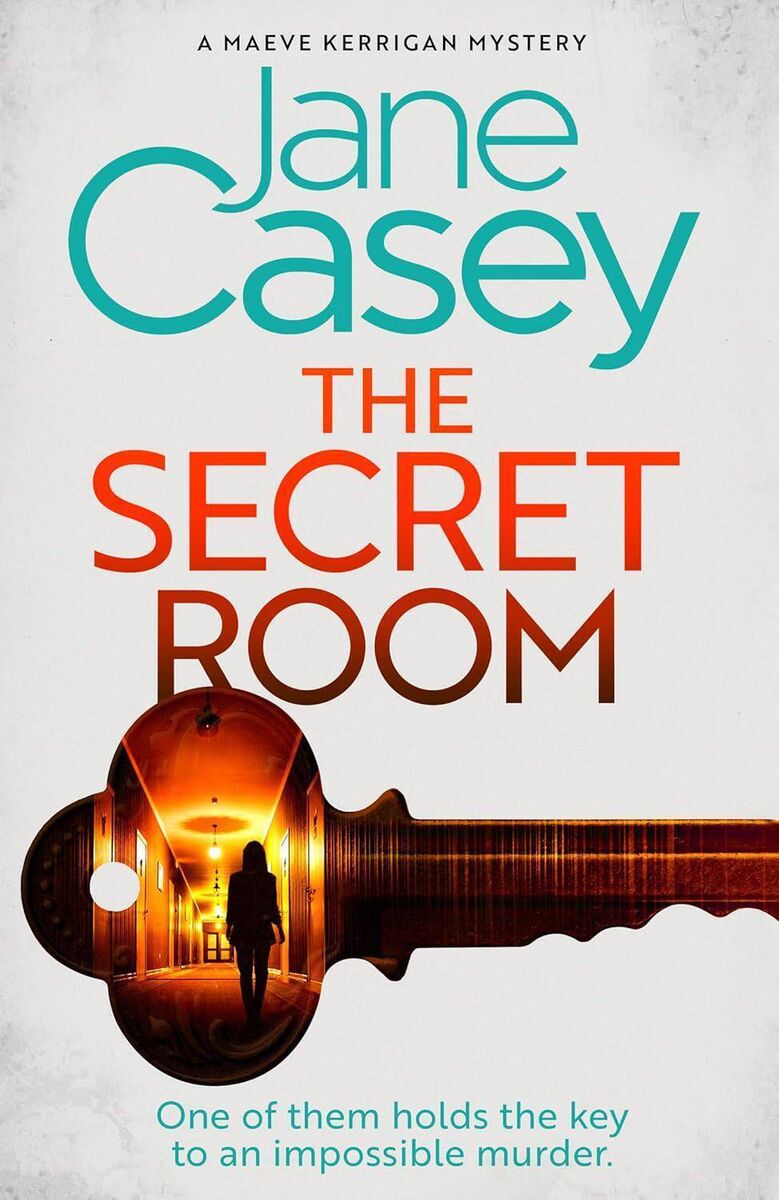
The Secret Room by Jane Casey

We hear a lot about the boom in Irish literary fiction but there has been no shortage of crime-writing talent emanating from our shores in recent years. 

One of the most consistently entertaining writers in the field is Dubliner Jane Casey, who has been based in London for many years.

Her novels featuring Detective Sergeant Maeve Kerrigan are an irresistible blend of skilfully plotted police procedural and the tantalising romantic anticipation of her ‘will they/won’t they’ relationship with colleague Josh Derwent.

In The Secret Room, the 12th book in the Kerrigan series, it all built to a hugely satisfying denouement for our heroine. 

Casey kept a lot of plates spinning in this locked room novel, making it look deceptively easy.

There were two mysteries to be solved as well as a possible happy ending on the horizon for Maeve and Josh. 

It all came to a hugely satisfying and brilliantly executed conclusion and it is testament to her loyal readership that they kept the faith that Casey placed in them not to reveal any spoilers.

There’s a lot of good crime fiction out there but for me, Casey is in the realm of the great, an intelligent writer with a flair for plotting and a forensic eye for detail. 

And Casey’s legion of fans need not fret that this is the end for Maeve — she has assured readers that she won’t be riding off into the sunset with Josh just yet. 

For those who have yet to discover Casey’s work, I urge you to start from the beginning, you’re in for a treat.

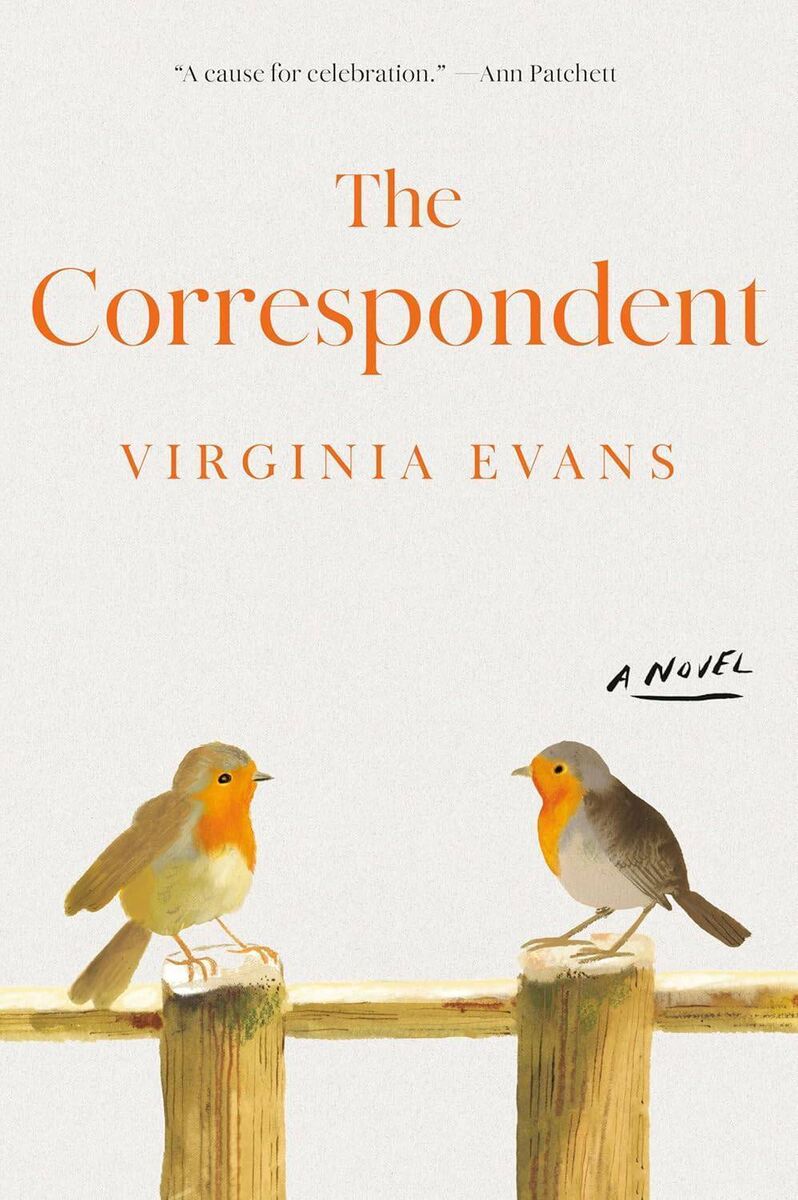
The Correspondent by Virginia Evans

This debut novel from American writer Evans provided a wonderful bookend to the year. 

A true word-of-mouth success in a publishing industry driven by an increasingly frenzied hype cycle, its central character, the cranky septuagenarian Sybil Van Antwerp is reminiscent of Elizabeth Strout’s memorable protagonist Olive Kitteridge.

The book’s emotional landscape occupies the same realm of the profound and mundane as the Strout universe, while Evans also shares a gift for deceptively simple prose and understated epiphany.

The life of Sybil, a retired court clerk, is gradually revealed in a series of letters and emails to and from relatives, friends, former colleagues as well as real-life literary figures. 

It encapsulates mystery, suspense and romance and the epistolary form makes it a compellingly slow burn.

BOOKS & MORE

Check out our Books Hub where you will find the latest news, reviews, features, opinions and analysis on all things books from the Irish Examiner's team of specialist writers, columnists and contributors.


More in this section

Scene & Heard

Newsletter

Music, film art, culture, books and more from Munster and beyond.......curated weekly by the Irish Examiner Arts Editor.

Cookie Policy Privacy Policy Brand Safety FAQ Help Contact Us Terms and Conditions

© Examiner Echo Group Limited