'I can't get no sleep': Sister Bliss of Faithless on 30 years of Insomnia
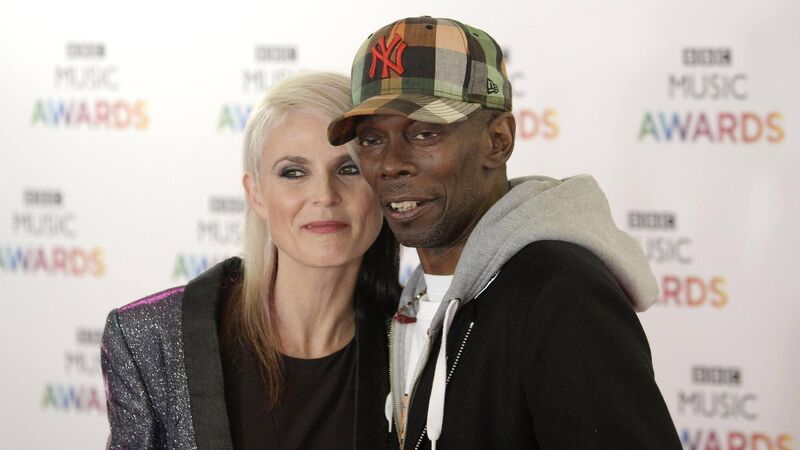
Sister Bliss and the late Maxi Jazz of Faithless. Picture: Joe Giddens/PA
With its nostalgic echo, classic single by Faithless is one of dance music’s best-known tracks, still as popular today on its 30th anniversary as it ever was.
The pioneering 1995 progressive house track was created by the group’s composers Sister Bliss, real name Ayalah Bentovim, and Rollo Armstrong, along with late vocalist, guitar player, programmer and producer Maxi Jazz, real name Maxwell Fraser, who died in December 2022.

The track only reached number 27 in the UK singles chart initially after Faithless released it on their own Cheeky Records label in 1995. After it became popular in mainland Europe and was championed by DJ Pete Tong, the song – effectively made in a garden shed – was re-released in 1996 and shot to number three on the UK charts, and into dance music history.
While the group went on to have seven UK top-10 singles and three UK number one albums, still remains their calling card.
“When we’re making it at the time, we were going out record shopping. Literally on the day that I played the riff and put the strings in, we were desperate to get out of the studio and go to Record And Tape Exchange in Islington and go crate digging,” Bliss, 54, said. “So it was one of those things, it came together quite quickly, and what I do remember is how chaotic life was at that point, and I remember Rollo’s studio very vividly, the one that’s famously in a garden shed in this guy’s house.
“What was ridiculous was he’d hired it out as a studio, but he used to come down and complain about the noise, kind of like, ‘mate, you know, you’ve hired out this place, and it’s got a mixing desk in it and various keyboards and whatnot’.
“Rollo also used to chain smoke and used to drink loads of Lucozade, and my sort of abiding image of that dark, slightly dank shed was Lucozade bottles, kind of with the light coming through. So it wasn’t a sort of salubrious, slick, hit-making factory; we were just wildly passionate about music, very naive, always going off to buy records. I was DJing all the time, pretty delirious, sort of DJing almost seven nights a week.
“If I wasn’t DJing, I was out living that lifestyle. House music – a bit like hip hop – was you live for the weekend, but if you lived in London, you could go out every single night a week, so I was quite a sort of face in clubland, for better or worse.
“Also rest in peace, Pam Hogg, who was a little bit older than me, but there was this sort of incredible wave of creative beings, that time in the early to mid-90s, making it up as we went along.”
Scottish fashion designer Hogg, who died in November, was known for her bold and eccentric creations favoured by music stars, including Rihanna, Lady Gaga and Beyonce.

Bliss describes the dance scene of the time as being “very DIY culture”, with Armstrong’s label operating out of her living room before moving to the shed-turned-studio.
She said the pair were “so incompetent and basically stoned all the time”. “We were in the studio every hour, sometimes till four in the morning, or I was DJing and so the backdrop of Insomnia was literally that I couldn’t get any sleep,” she adds.
“And I remember we were writing with Maxi after we’d written the first track, (1995 single) Salva Mea, and thought: ‘God, he’s so interesting’. So that record was signed by Island Records as a single, which was portents to great things – what a label to be signed by – and it sat on a shelf, and they didn’t release it.
“So we got the record back, I don’t think they knew what to do with it, and I kind of feel that’s a bit of a metaphor for Faithless generally. We do occupy our own slightly odd corner in music, with sort of music with a slightly darker, melancholic edge, with a thought-provoking, somewhat conscious lyric, especially Maxi.
“His speciality was his poetry, his philosophy, his agenda that he brought to the lyrical aspect of Faithless, and that you could put that in dance music. It didn’t all have to be what was prevalent at the time, which you’d call sort of ‘handbag house’ – jolly and happy, and hands in the air – and we just wanted to go deeper, and bands like Leftfield kind of showed that there was space in dance music.” But despite Insomnia’s modern-day reputation as a floorfiller, Bliss says she had no idea the song was going to be popular, adding it was only when Jazz was asked to make an album that she realised the group might have a future beyond the shed.
Bliss says a key element to their success was “because we were from such different musical parts of town”. She remembers she shared a love of Joni Mitchell and jazz music with Jazz, while he and Armstrong had a passion for dub reggae.
Last year, Faithless took to the stage for the first time since Jazz died, with Bliss describing the performances, which included dates at London’s Roundhouse and Brixton Academy venues, as “a tribute to Maxi” and “a love letter to dance music”.
Bliss explains: “It’s a love letter to what made us what we are. We devised the show particularly in that way, because the fans were asking again and again, ‘when can we hear you playing your songs?’.
“I took my son to see Pete Tong’s heritage orchestra, and I was DJing at another festival and Kasabian were playing, and then everybody’s dropping Insomnia and various other pieces… She spoke about electronic music duo Disclosure, who remixed Insomnia earlier this year, adding: “They did like, a 10-minute tribute to Faithless in the middle of their Glastonbury set, and I kind of think, ‘god, well, everyone else is playing our music, it’s kind of mad isn’t it?’ and there’s still an appetite for it.”

Bliss speaks emotionally and affectionately of Jazz, who she says is “like a spirit holding the show”, who becomes “more and more embodied” as it goes on, saying she feels like crying at most gigs.
She also called for a painted mural to be dedicated to the singer in his south London home, praising one put up inside Selhurst Park, the home of Premier League football team Crystal Palace he supported, but saying she wanted a “place to commune” that anyone could access.
Bliss says of making their shows a tribute: “We got together with our lighting designer, who I’ve always had really amazing, profound conversations with, who lived it, who understood Maxi, and I felt, in order for us to do this, I needed to feel very safe indeed.
“I needed to feel people really understood that any representation of Maxi, how could we weave him into the show? How could we honour the songs? The music that people loved and him…?
“There were two (conversations). There was me putting together a DJ set of what could appear in the live show, so I conceived it like I’d been conceiving my Faithless DJ sets.
“And then Rollo got really excited about that, he could really see what the show could be, that it had a reason for existing… “There’s no way we wanted someone else rapping Maxi’s bits, it would just be really cheesy and awful.”
The latest album from Faithless, and the 30th anniversary edition of are out now