Books of the year: Poetry and polished prose probing power and privilege

Molly Twomey’s work is intricate yet accessible, narratively gripping, and rich with hits. File picture: Michael O’Hanrahan/The Gallery Press
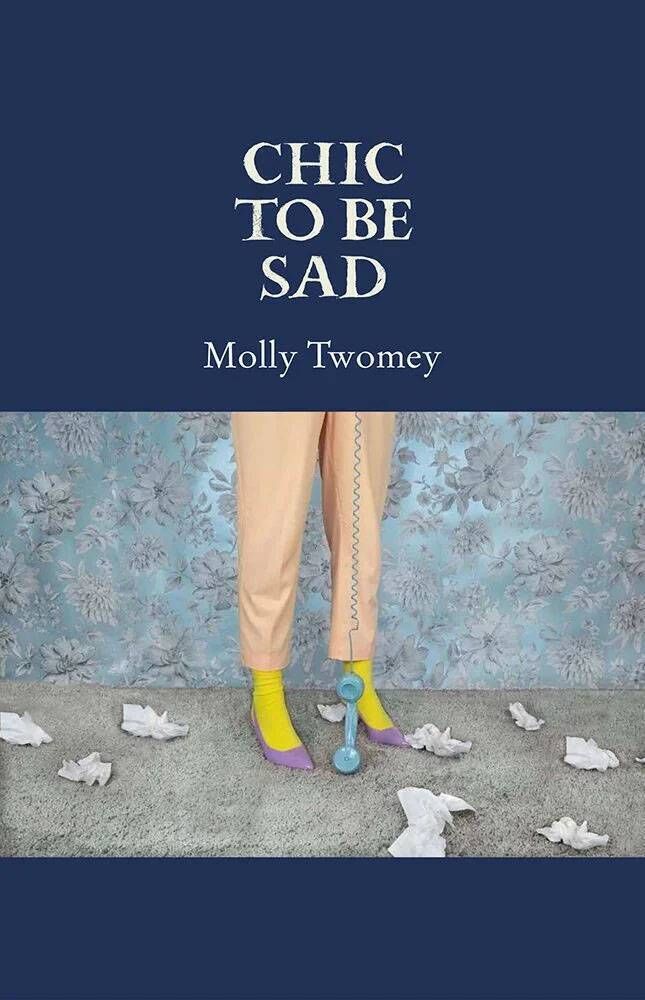
Chic To Be Sad by Molly Twomey (The Gallery Press, €12.95)
As someone who reads quite a bit in my line of work, I like to build a little pile of appealing books that I’m especially confident I will enjoy, stowed away throughout the year and opened purely for pleasure during the holiday season.
For this reason, I suspect some of my favourite books released in 2025 are still waiting for me, to be devoured in the comfy chair by the fire along with too many After Eights.
I’m looking forward to getting stuck into Fun & Games by John Patrick McHugh and Anna Carey’s Our Song. I’ve heard great things about Sarah Maria Griffin’s E at the Ones You Love and Wendy Erskine’s The Benefactors.
Holiday stockpile aside, some cracking titles have come my way in the last 12 months.
There are few collections of poems I would feel confident recommending to both the poetry curious and aficionados of the form, but Molly Twomey’s sophomore offering, Chic to be Sad, has the wide, enchanting appeal of an assured literary rising star.
Waterford-born and Cork city-based, Twomey’s work is intricate yet accessible, narratively gripping, and rich with hits — I read the collection in one fevered sitting as soon as it landed in the house.
I loved the rousing St Brigid’s Skull, while other standouts include My Brother’s Friends Draw Dicks, and On Banging a Kettlebell Off My Jaw:
“I wish I had swung harder, passed out/ and bled enough for a Caution Wet Floor sign/ for an ambulance to arrive/ with a woman in a hi-vis/ who might hook me up to fluids/ grant me the rest I cannot grant myself.”

Twomey has spoken of the autobiographical influences in her work and Chic to be Sad centres on a fire that tore through her family home, alongside the myriad memories such a traumatic experience might unravel.
Despite the heavy topics, there is wicked humour here, like in My Father’s Stomach: “It saves his life, the 99 he ravages/ in Centra car park as flames swallow/ our kitchen…”
I’m a sporadic reader of poetry, choosing a few collections a year in a less-versed manner than my first love — fiction — but Chic to be Sad undoubtedly contains some of the best sentences I’ve read in any book of 2025, and is a superb follow-up to Twomey’s popular debut, Raised Among Vultures.

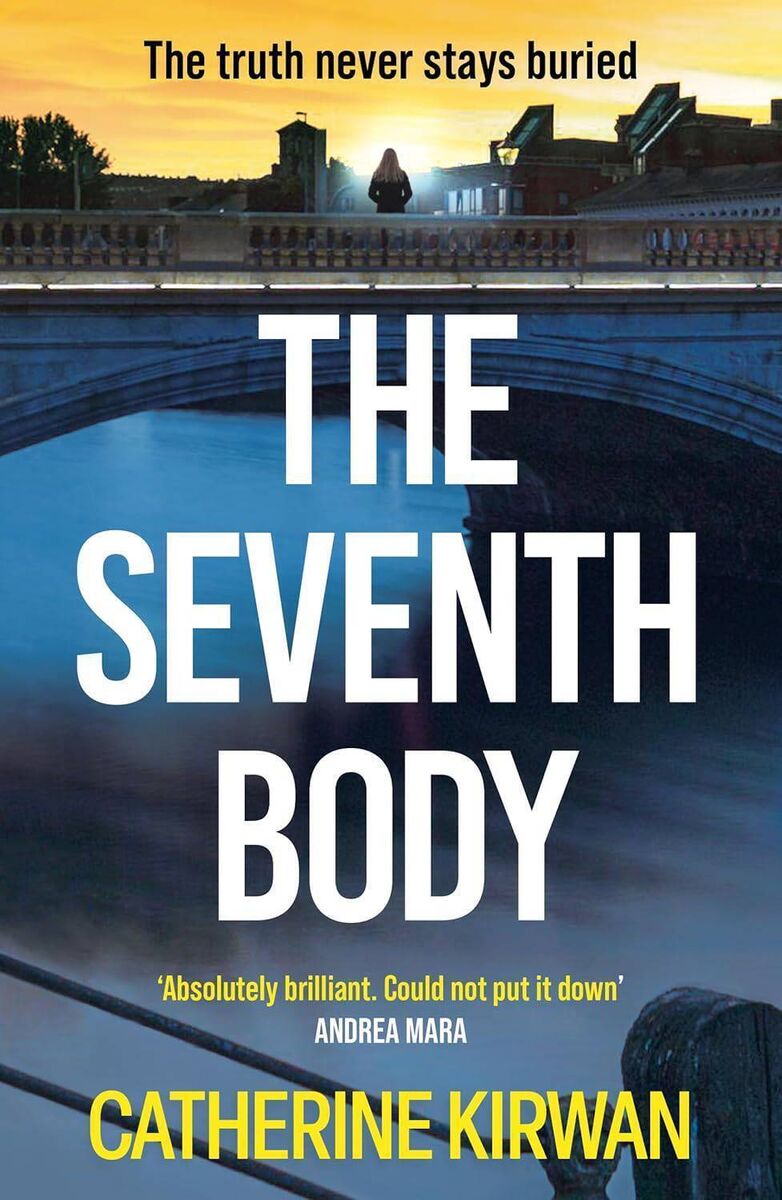
The Seventh Body by Catherine Kirwan (Hodder, €12.50)
“Your mam was always scrubbing her kitchen like a crime scene…” writes Twomey in her striking poem, Clover Mites, which brings me to another firm favourite of 2025 — Catherine Kirwan’s The Seventh Body.
This is Kirwan’s fourth crime novel, and the first of her books I have encountered.
After tagging along with a friend to the Waterstones launch in March and listening to Kirwan read from the opening, I was immediately hooked.
As an editor of literary fiction, most of my reading arises from that realm, but I’ve been a crime buff ever since I whizzed through Mary Higgins Clark’s back catalogue as a teen — Loves Music, Loves to Dance holds a special place in my heart.
A handful of crime writers hold the power to make me drop everything and read their latest books — Tana French, Alex Barclay, Catherine Ryan Howard, and now Catherine Kirwan.
Kirwan’s prose is as smooth as a mortuary slab — not a word out of place, not a stilted line of dialogue in need of cordoning.
Kirwan is a solicitor as well as a novelist and her new protagonist, Detective Garda Alice McCann, is the kind of character compelling enough to carry multiple follow-ups.
As well as being deliciously dark, Kirwan’s work is full of deftly funny lines that appear ideal for adaptation.
Set in Cork, The Seventh Body was inspired by the discovery of historical skeletal remains on a derelict site in the city — Kirwan’s novel imagines what might have transpired if a more recent crime were uncovered alongside them.
Themes of stalking and domestic abuse are also touched upon, making this a multi-faceted, fast-paced whodunit with depth.
Reading the book as resident of the city was a bizarrely meta experience, I got a kick out of seeing my local haunts realised on its pages — I once let my cup of tea go cold whilst finishing a particularly thrilling chapter in a café, only to round the Crawford and run into the author herself.
Not only has Kirwan got the local details down, her style matches the best authors in international crime. If you like a gripping police procedural with an incredible twist, don’t sleep on this one.

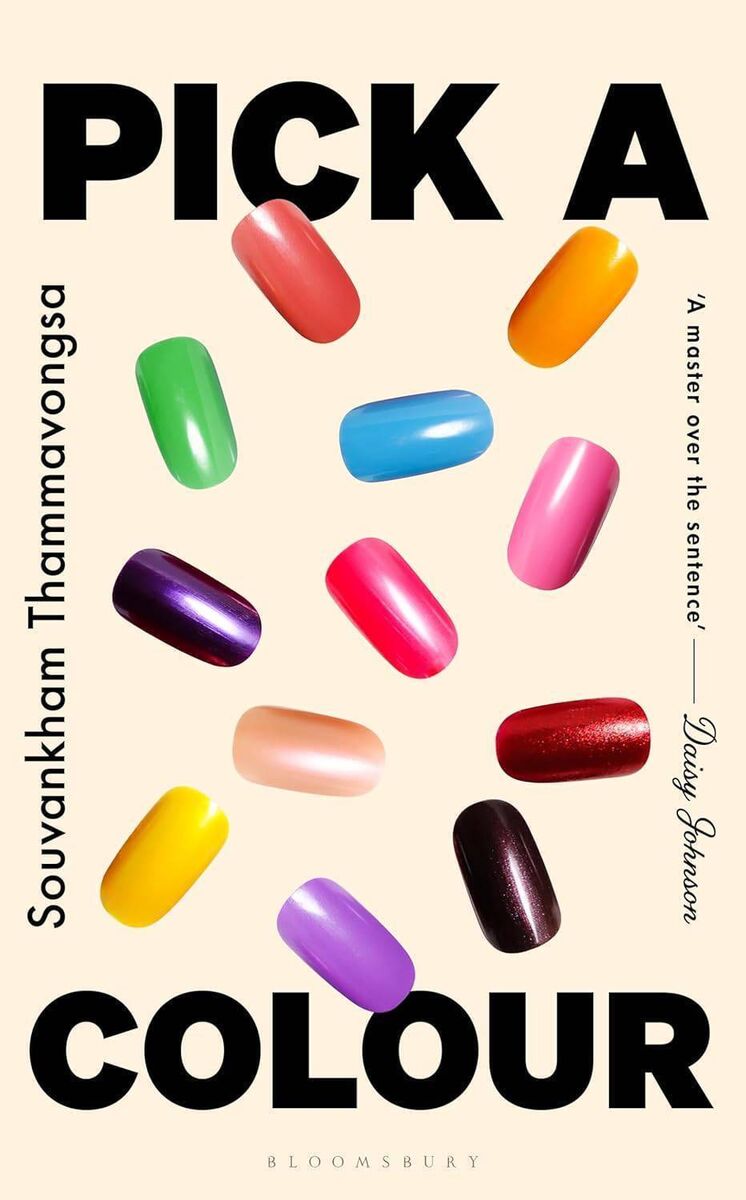
Pick a Colour by Souvankham Thammavongsa (Bloomsbury, €18.85)
Months have passed since I read Laotian-Canadian writer Souvankham Thammavongsa’s debut novel Pick a Colour for the review pages of this paper, yet I still think about it constantly.
Set in a nail salon in an unnamed North American city over a single day, it nabbed this year’s Giller Prize, marking the second time Thammavongsa has won the lucrative Canadian award — her debut short story collection, How to Pronounce Knife, also triumphed in 2020.
The novel’s protagonist, Ning, is a retired boxer who is missing a finger and making a living painting the nails of women she and her employees chitchat about in their own, again unspecified, language.
Nothing much happens in the novel by way of plot, but its interrogation of power and privilege, and claustrophobic yet illuminating interior single it out as one of the best of the decade, let alone the year.
Anybody working in publishing knows that prizes are dispiritingly undivinable, but I wouldn’t be at all surprised if Thammavongsa were to follow the award path of her compatriot, Munro.
A once-in-a-generation writer who is very much in a league of her own, on finishing Pick a Colour I had a forceful desire to read everything Thammavongsa has ever written or ever will write.

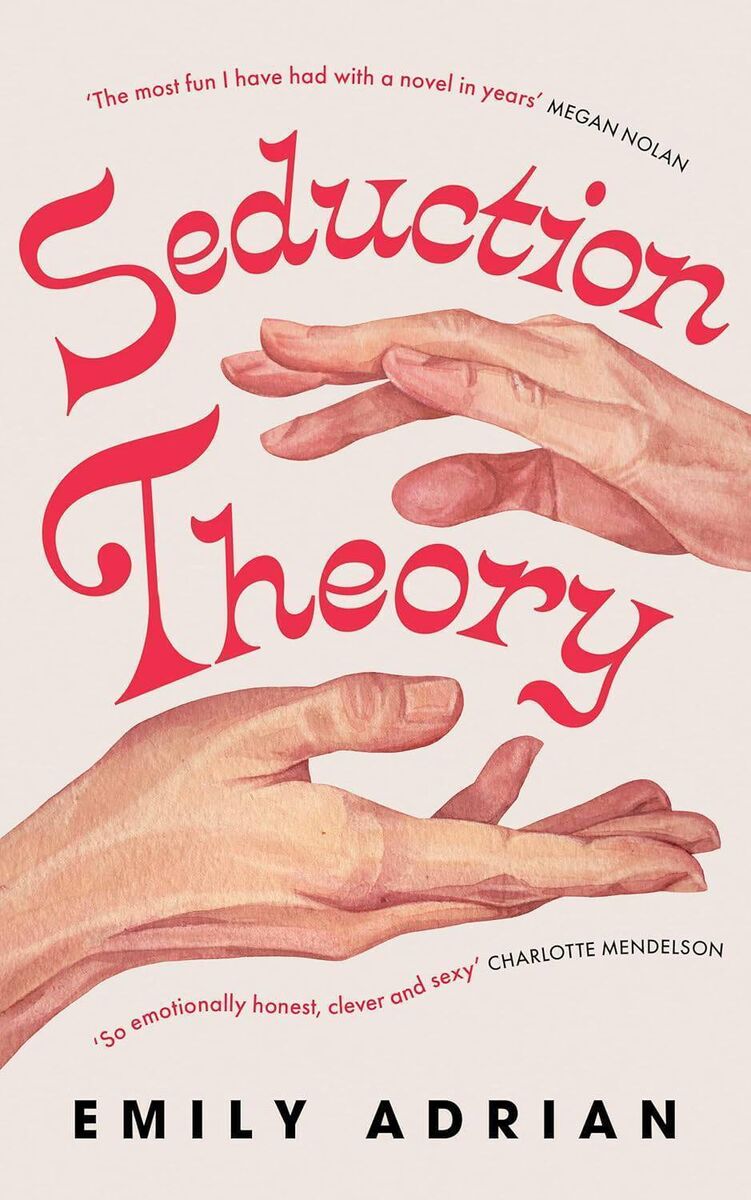
Seduction Theory by Emily Adrian (Weidenfeld & Nicolson, €23.20)
The sub-genre I love most is the campus novel, and all the better if it involves the cast of a creative writing department.
Enter Seduction Theory by American author Emily Adrian, a book whose opening chapter is set at a faculty party and poses the question: “Were academics sweatier than regular people?”
The novel is told through the form of a Creative Writing MA thesis penned by sharp-eyed student Roberta Green, and involves the romantic lives of two creative writing lecturers: Simone and Ethan.
The former is much more successful than her husband, whose novel did not earn out its substantial advance: “Publishers had never forgiven him their miscalculation” despite their efforts to market is as: ‘“Oprah bait” (no nibbles)’.
This witty and compact, perfectly formed account plays with the idea of the unreliable narrator, and drops in literary and creative references in a way that is lively and roguish rather than annoying or exclusionary.
The opening pages suggest we’re getting an addition to the regular cohort of campus novel, before it’s revealed that the reader is in a Rubik’s scenario where the lines linking experience and imagination are moveable, infatuation and desire impacts every thought and word choice, and the construction on show is all part of the fun, like scaffolding swathed in tinsel.
A sexy, witty, exquisitely written novel, and a reminder that fiction can be a playground as well as a passageway, Seduction Theory easily earns the top grade of my favourite read of 2025.

Subscribe to access all of the Irish Examiner.
Try unlimited access from only €1.50 a week
Already a subscriber? Sign in
BOOKS & MORE
Check out our Books Hub where you will find the latest news, reviews, features, opinions and analysis on all things books from the Irish Examiner's team of specialist writers, columnists and contributors.