Toni Collette on new film Goodbye June, and how she learned to do a Cork accent
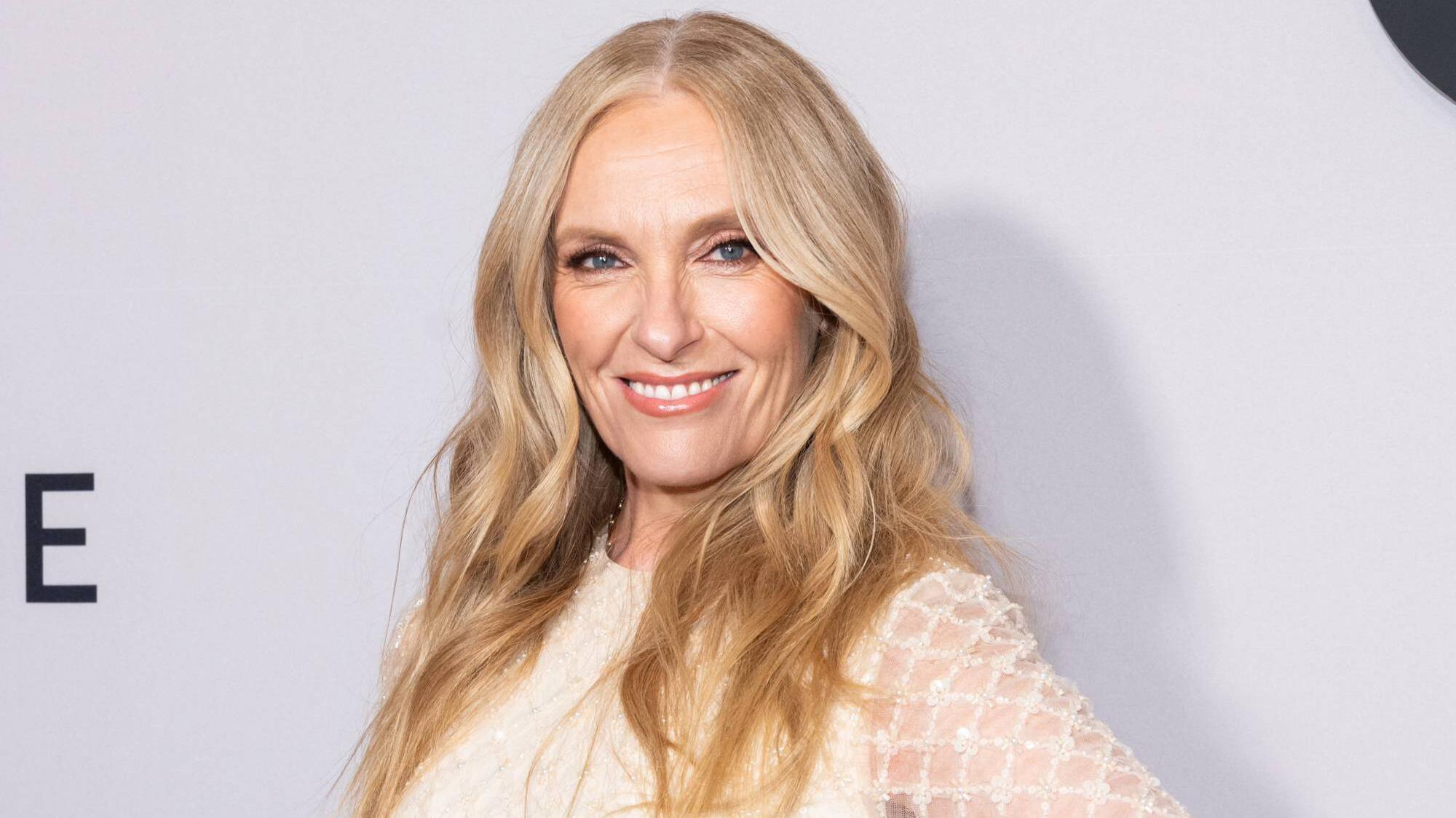
Toni Collette at a screening of Goodbye June, the directorial debut of Kate Winslet that's in cinemas in advance of a release on Netflix. (Photo by Stephanie Augello/Getty Images)
On hearing that the journalist interviewing her is from Co Cork, Toni Collette switches briefly and effortlessly to a spot-on Leeside lilt. It’s an accent she got an ear for while spending time in Cork, Wicklow and Dublin in the late 1990s and early noughties.
Ireland is a place she feels a great affection towards. She considered making a base here at one point and returned to work on Kerry filmmaker Gerard Barrett’s Again she took on an Irish accent - this time Tallaght - when she played Jack Reynor’s troubled mother in the well-received drama.

“I did my DNA, and I'm 89% Irish. When I’m there I feel so at home. I made such good friends there,” she says, adding that she used to often come here to enjoy some downtime in between movie roles.
“Australia is very far away. I was working in the northern hemisphere. I'd go and stay with friends in Dublin. At one point, I did buy a property in Wicklow, actually, but it needed a complete renovation, which I never got around to before I sold it again. I always felt so connected, at home and so myself there, and I miss it. I talk to my kids about taking them - they’re now teenagers - and I think it's an important thing to do.”
The star of such hit movies as and returns to our screens in new Netflix drama It tells of four adult children with messy dynamics who return to their family home at Christmas when their mother’s health takes a turn for the worse.
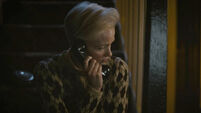
The film marks the directorial debut of Kate Winslet, who also stars, and has gathered an impressive cast which includes Collette, Andrea Riseborough, Johnny Flynn and Helen Mirren. It’s a very personal project for Winslet - it was written by her son Joe Anders and although fictional, was partly inspired by the loss of his grandmother and Winslet’s mother.
For Collette, who had long wanted to work with Winslet, getting to do so on her directorial debut felt all the more special. “I didn't know her, I'd met her briefly,” she says. “We have a mutual friend, and we kind of passed messages back and forth over the years, and I've always admired her.
“So when I got the message that she wanted to work with me, and not only as an actor, but it was her directorial debut - I know how important that is to any director - I actually cried, because it felt like an honour to be chosen to be part of it.”

Collette plays a free-spirited sibling who is reunited with her estranged sisters (Riseborough and Winslet) and brother (Flynn) during an intense and profound time in family life.
Now that the Australian and English stars have worked closely together, Collette feels that many of Winslet’s own personal qualities feed into her work as a director. “I think who she is, as a person, now that I know her quite well, is a part of how she works. She's really frank and grounded and easy going, but she's also intelligent and focused and collaborative and fun.”
It helped, says Collette, that the cast had a rehearsal period before the cameras rolled on what is an intimate, dialogue-heavy film. “We had a week to rehearse and be together and talk through things before we started. We were all grateful to have that also just to get a feeling of really knowing each other.
“Kate is also incredibly decisive. You work with some directors and they just overshoot it from a million angles because they don't know how the fuck they want to cut it, because they're not prepared and also scared of talking to actors, so the communication isn't there. But Kate excels in all those areas. She was ultra prepared. She knew exactly what she was doing, and she was incredibly decisive. There’s such a crystallised sense of her vision that nothing was ever overworked - and it takes a really confident person to do that.”
Like her director, Collette has, over three decades, built a strong career blending independent and mainstream roles. She was a jobbing actress on stage and screen in her native Australia when being cast in Muriel’s Wedding changed her life. She played the title character, a quirky and socially awkward romantic lead, in the film which went on to become a critical and commercial hit.
She went on to get an Oscar nomination for her role in and starred in comedies including and the beloved
On the small screen, her role in won her both a Primetime Emmy and a Golden Globe. More recent roles include the hit horror film and Clint Eastwood’s legal thriller
Though she doesn’t often tend to look back over her career, there have been some landmarks reached in recent years, she says. “There are a few films that have had anniversaries. turned thirty. was released 20 years ago next month. There are films that have been around for a while, that people still very much engage with and feel close to, which is incredible,” says Collette.
“I mean, selfishly, I do what I do for me, it's all about the experience on set and the making of it and the doing of it. But it also is very, very heartwarming, really incredible to know that decades later, these films that I've been involved with really speak to people. That really blows my mind.”

Acting, she says, helps her connect with herself, and she loves when she’s involved with a story that connects with others - especially when it happens decades later.
“In terms of films that really did change my life and opened certain doors, or changed things in a profound way that would have been absolutely I didn't have a career before that, and then every door seemed to open, which was amazing and intimidating, all at the same time. was huge. was definitely another one, for sure.”
Her time working on Diablo Cody’s show - in which she played the title character, a woman trying to cope with dissociative identity disorder - gave her an opportunity to delve into longer-form storytelling.
“That show was huge for me, and it was just prior to the explosion of streaming TV becoming a thing.”
She returned to the format in the recent TV drama series, “Doing television where you work with people over several seasons creates an incredible environment of closeness and short-handed communicating and freedom.”
- is in select cinemas from December 12 and on Netflix from December 24