Books of the year: Four brilliant page-turners you’ll want to give to friends

Sue Leonard selects her best books of the year, featuring inter-generational guilt, a harrowing depiction of coercive control, and no shortage of wonderful prose
Books of the year: Four brilliant page-turners you’ll want to give to friends

With three non-fiction books under her belt, including the Pulitzer shortlisted Red Comet, on the life of Sylvia Plath, it’s clear that Heather Clarke is a writer to reckon with. Picture: Beowulf Sheehan
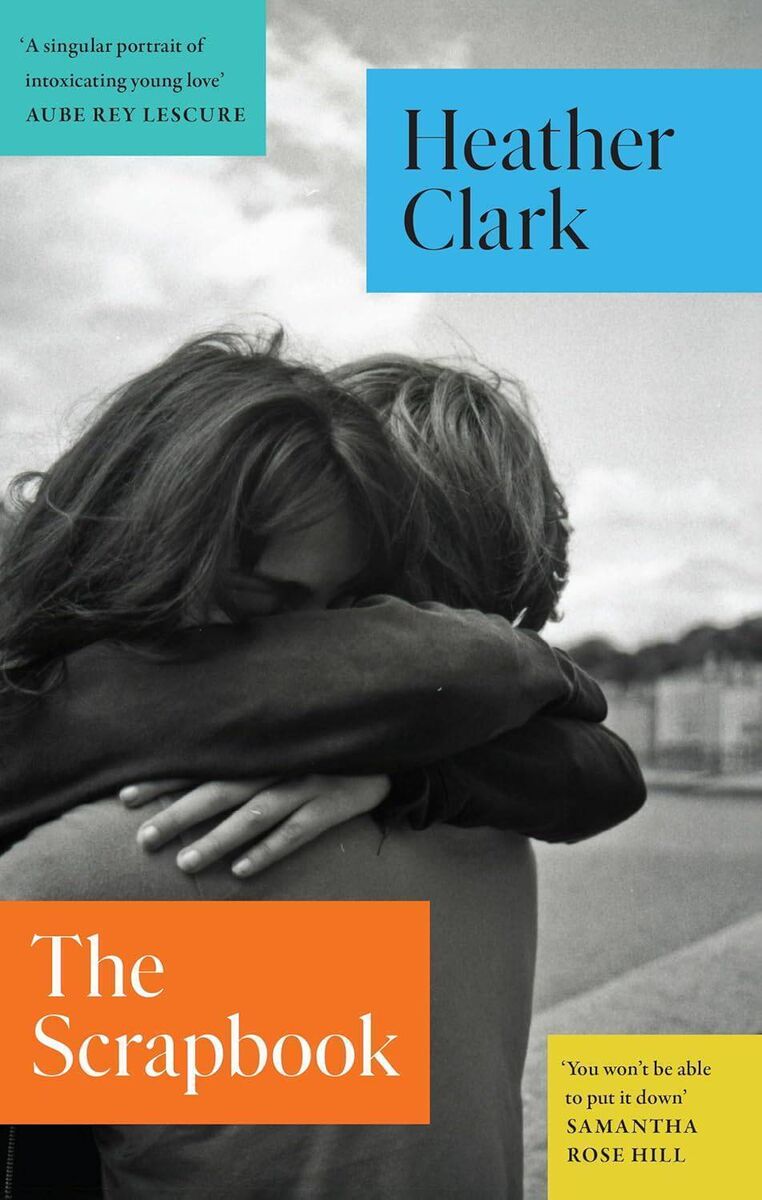
The Scrapbook by Heather Clark (Jonathan Cape, €17.99)

What was it like to grow up German in the wake of the Second World War? 

Did the first and second generation of Germans suffer the guilt of their nation’s misdemeanours, and if so, how did this impact on their lives? 

This is the main theme in American academic Heather Clark’s debut novel.

The Scrapbook opens in Harvard. It’s 1996, and Anna is supposed to be cramming for her final exams. 

But when German student Christoph arrives to visit a mutual friend, she abandons her books — and spends her final days of potential study in his company. 

They discuss everything from art to history, and Anna falls desperately in love.

Her friends — especially the Jewish ones — warn her off. They dislike and mistrust Christoph, and not only because of what he represents. 

They’re convinced she will end up hurt, but ignoring their warnings, Anna visits Christoph in Germany, and a long-distance relationship ensues. 

The country hasn’t yet come to terms with the Holocaust, and, as Anna explores German cities with Christoph, she’s surprised at the lack of monuments.
While condemning his country’s past, Christoph remains vague about his own family’s involvement — and indeed, is trying to learn more. 

And Anna is no ordinary bystander. Her grandfather served as a GI and took photos at the end of the war, including horrifying images of Dachau. 

Discovering these left Anna with a deep sense of anxiety. Will these differing histories push the couple apart?

As this spellbinding novel progresses, it becomes clear that while Anna remains passionately in love, Christoph is not entirely committed. 

There’s an element of dysfunction there — and this adds to the sense of unease.

With three non-fiction books under her belt, including the Pulitzer shortlisted Red Comet, on the life of Sylvia Plath, it’s clear that Clarke is a writer to reckon with. 

And this wonderful novel, which was inspired by Heather’s grandfather’s war time experience, has everything: History, inherited trauma, and romance.

Highly literary, it’s also page turning. I loved it.

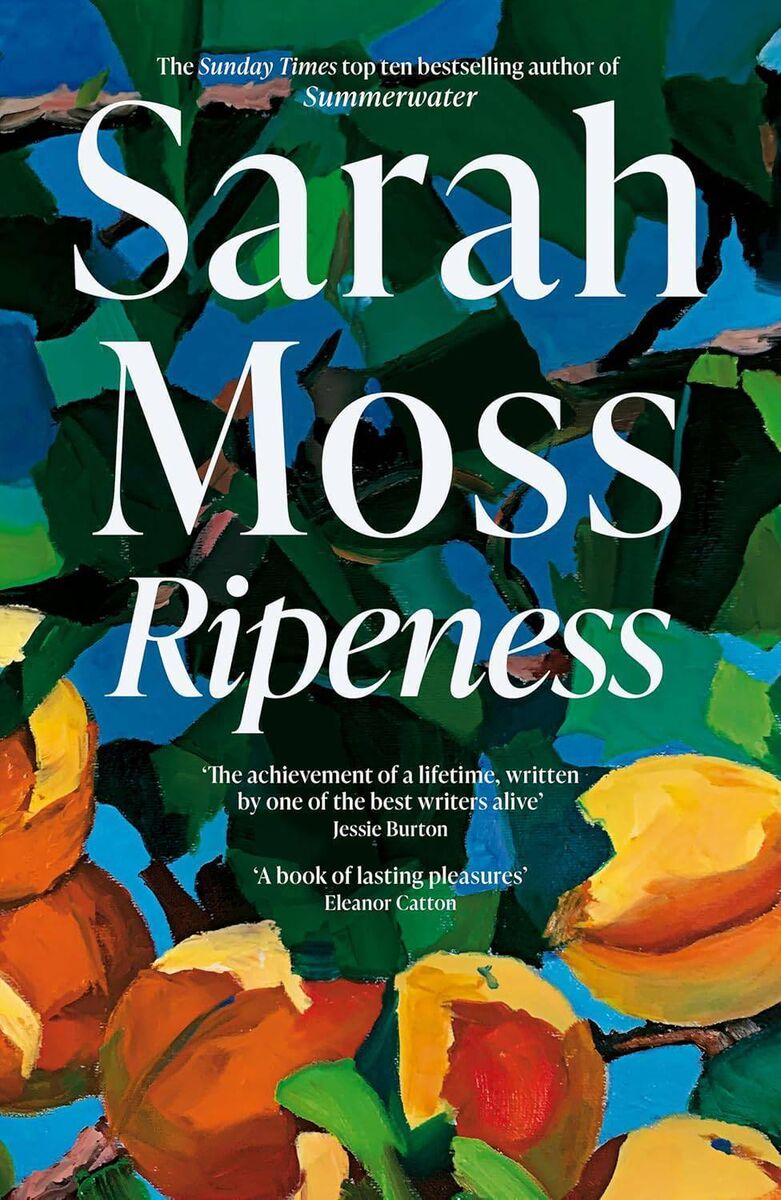
Ripeness by Sarah Moss (Picador, €16.99)

A happily divorced 73-year-old Edith has found contentment living in the Burren, County Clare. 

Her mother lost most of her family in the Holocaust, and she’s hoping she has found a place she can call home.

Pondering this, she wonders how you can know if you truly belong. Is it so if you believe it, or is it up to those around you to fully accept you?

Alternating chapters take the reader back in time, to the 1960s, when, at 17, Edith is spending a summer in an Italian villa with a company of dancers — they’re on holiday, but ballet remains in integral part of their lives.

Edith is there to help her sister, Lydia, through an unwanted late pregnancy and childbirth. 

And when the baby is born, Lydia refuses to see it, leaving the teenager to struggle to care for the baby until the planned adoption goes through.

To echo the theme of adoption, Edith’s best friend in Ireland, Maebh, has an unexpected phone call.  An American man wants to meet her, claiming that he is her brother. 

Should she meet him, or is he after an inheritance? Maebh turns to Edith for help.

Ripeness is a gorgeous book; sunny, sensual, and absorbing. The settings of the Burren and Italy are almost characters in themselves, and Moss writes brilliantly about the physicality of dance. 

The scenes of childbirth and new life are accurately and exquisitely described. And the novel is full of love — love for people, landscape, and country. I simply adored it.

I’ve been thrusting this book at all my friends, and especially those who, like me, have lived elsewhere, and who ponder the politics of a dual nationality.

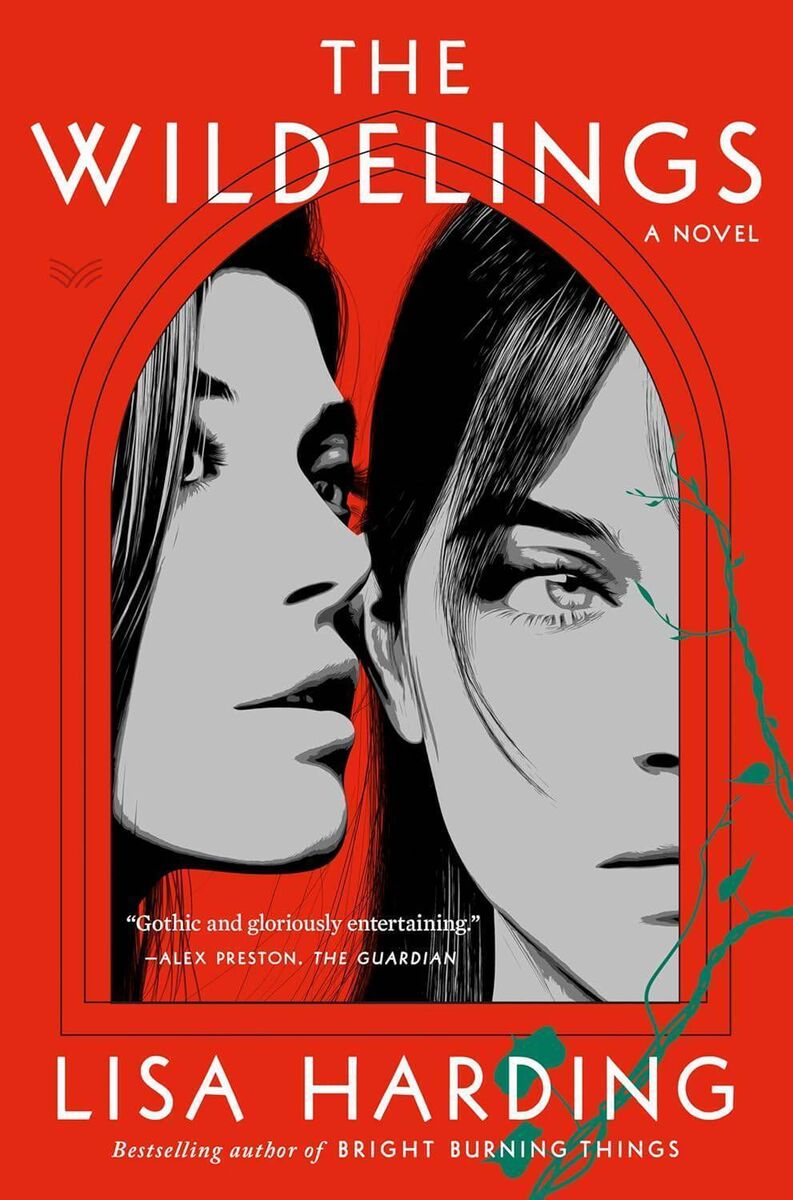
The Wildelings by Lisa Harding (Bloomsbury, €16.99)

If Christoph is a catalyst for dysfunction in The Scrapbook, his misogyny is mild compared to that of the contriving Mark, in Lisa Harding’s absorbing third novel, The Wildelings

Set in a fictitious version of Trinity College Dublin in 1992, it portrays a time when students could afford to live in town.

The novel features a group of beautiful students headed by the suburban best friends, Jessica and Linda, who have all, in various ways, suffered familial abandonment. 

Taking up with Linda, Mark, an older student, infiltrates the group, eventually setting them up against each other.

When Mark produces a play he has written for the drama society, he casts Jessica in the starring role, and then, with the excuse of producing the best possible performance from her, leaves her traumatised. 

His influence over the group increases when he plies them with drink and drugs, observing them all, and then watching the fallout. 

Will he use their interactions as inspiration for future writing?

All this ends in a tragedy — one that, years later, Jessica is struggling to come to terms with. Her interactions with a therapist are peppered throughout the narrative.

Harding attended Trinity and was a successful actress before she turned her hand to writing, and this experience lends the novel an air of authenticity. 

As such, it makes the scenes in the rehearsal room feel especially shocking.

Many of the characters in this novel are pretty unlikeable, but this doesn’t mean that as the reader, you’re not rooting for them. 

They all stayed in my mind long after I’d turned the last page.

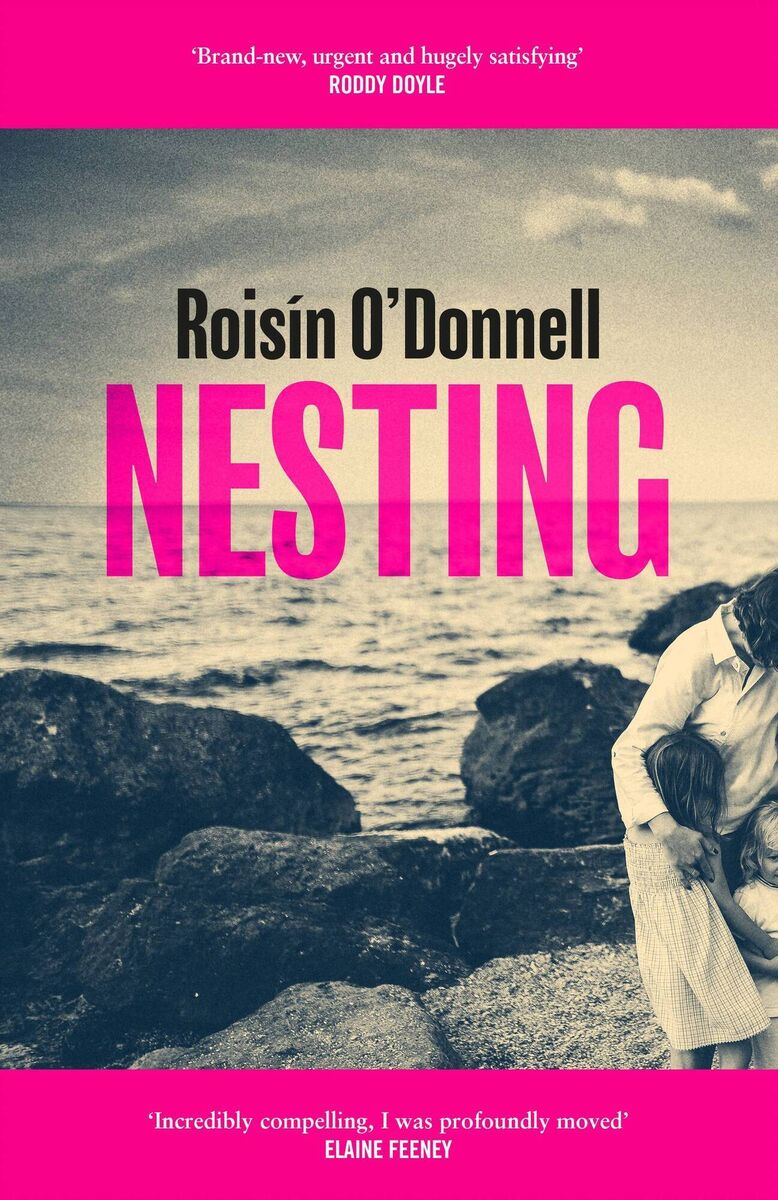
Nesting by Roisin O’Donnell (Scribner, €16.99)

I always like to choose a debut, and this year there were so many brilliant and original novels by first timers that it was almost impossible to choose. 

Those I especially admired included The Language of Remembering by Patrick Holloway and Ordinary Saints by Niamh Ní Mhaoileoin.

In the end, I felt impelled to go for Nesting by Roisin O’Donnell — a writer who has already proved her skill with a collection of short stories.

The novel opens when Ciara and Ryan Fay take their two young children to the beach at Skerries. 

Ryan suggested it and Ciara is hoping for a rare, carefree afternoon, but from the moment they arrive, the mood darkens. 

As Ryan slams the car door in anger, Ciara wonders what she has done wrong this time.

We’re immediately enmeshed into the most powerful depiction of coercive control I have ever read.

We live, uncomfortably, in Ciara’s head as she finds the courage to break away from Ryan. 

She thinks of this as an escape from a home that is no longer safe, but life is tough when you’re the victim of homelessness, and she struggles against the odds to survive.

This is far from a comfortable read, but the camaraderie and friendship Ciara receives from others as she lives in a hotel room struggling to work and care for her children add a lightness to the story.

Meanwhile, Ryan fights relentlessly in a concerted campaign to force his family to return. Can Ciara get her life together and continue to break the power of his control?

This novel is literally unputdownable. The writer keeps up the tension from the first page until the climatic last.

x

BOOKS & MORE

Check out our Books Hub where you will find the latest news, reviews, features, opinions and analysis on all things books from the Irish Examiner's team of specialist writers, columnists and contributors.


More in this section

Scene & Heard

Newsletter

Music, film art, culture, books and more from Munster and beyond.......curated weekly by the Irish Examiner Arts Editor.

Cookie Policy Privacy Policy Brand Safety FAQ Help Contact Us Terms and Conditions

© Examiner Echo Group Limited