Shaunagh Connaire on Emmy wins, working with George Clooney and making her Irish directorial debut
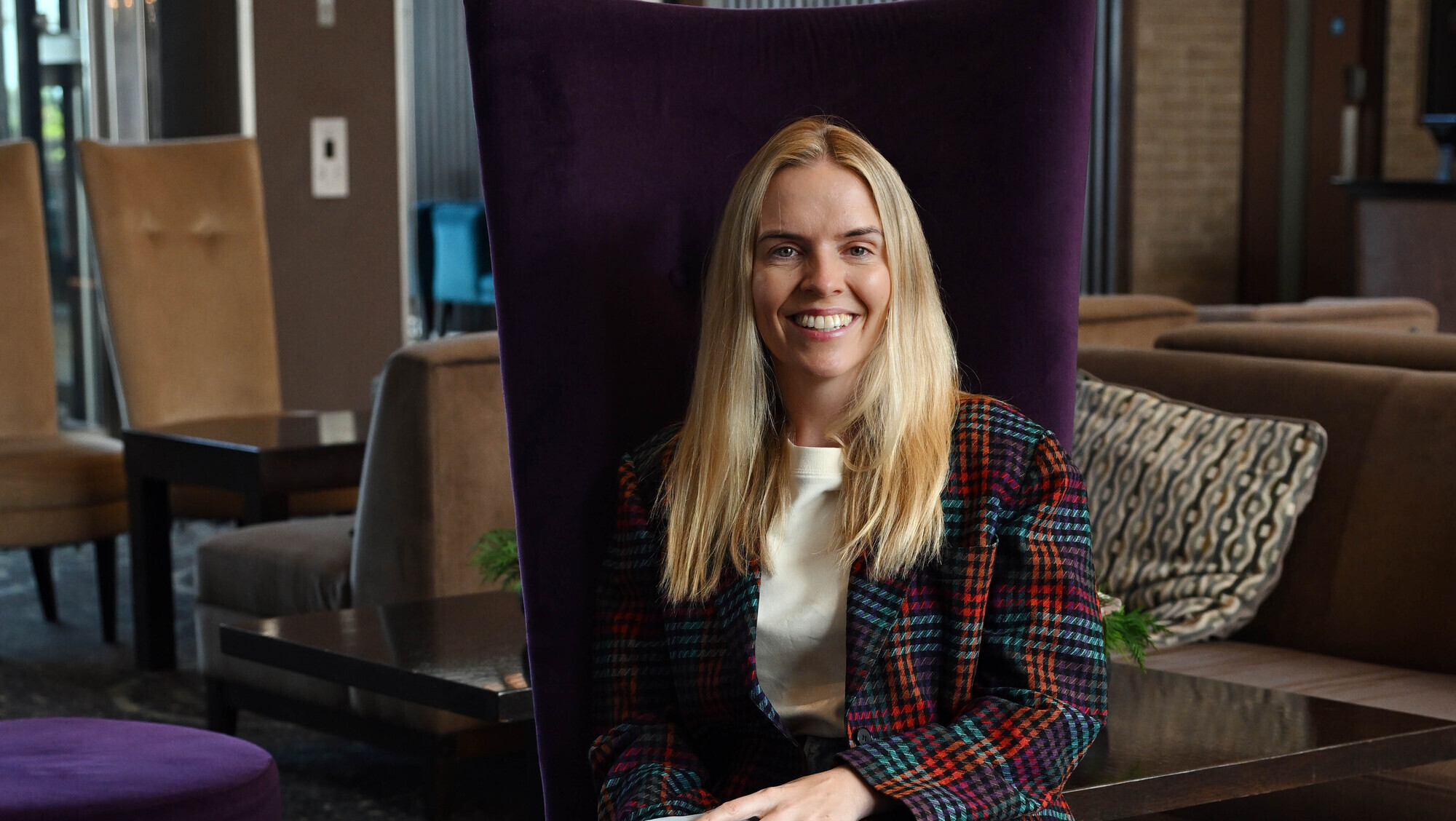
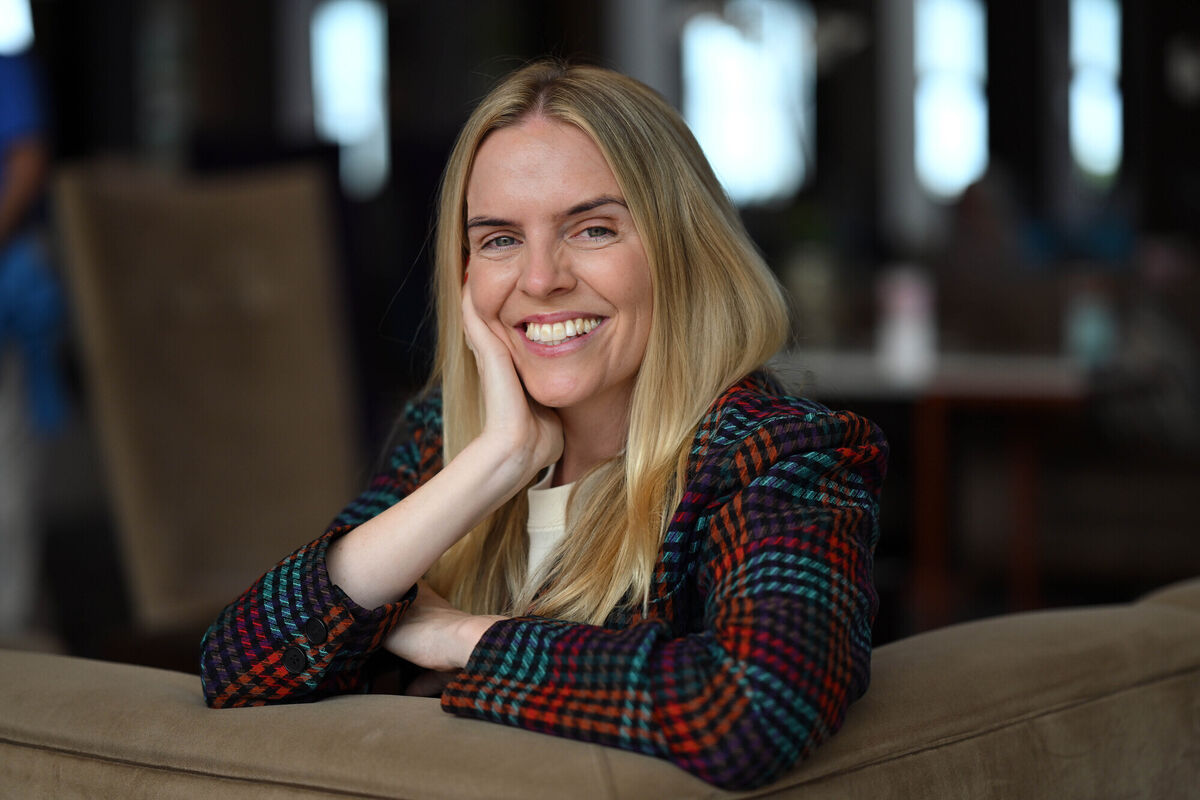
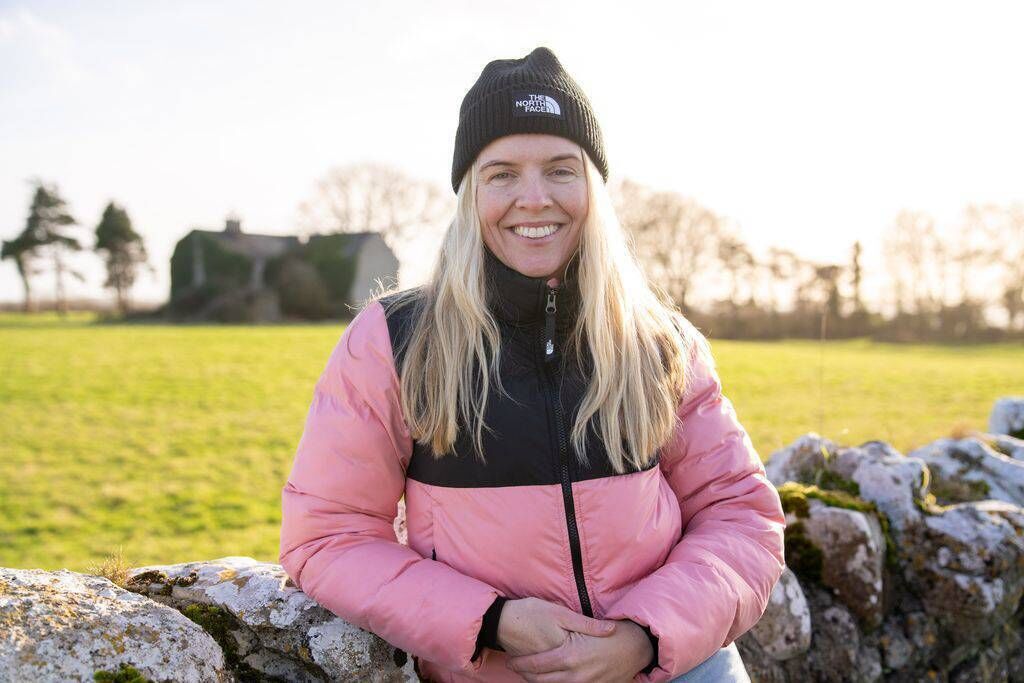
Writer & Director of 'Brown Bread' Shaunagh Connaire, who's film is shown at the 37th Galway Film Fleadh. “Brown Bread is a modern twist on the Irish emigration story. Photo: Ray Ryan
Shaunagh Connaire is bringing it all back home. More specifically, all the way back to the kitchen of her childhood home.
That family home in Longford was the starting point for a long and successful career during which Connaire, an Emmy-nominated documentary maker, has reported for the BBC, Channel 4, and the Financial Times, among others, before then going on to spend three years working for the Clooney Foundation for Justice, including a memorable trip to Africa with Amal Clooney and Michelle Obama.
Yet it is the homeplace back in the Midlands that also forms the backdrop for a first foray into fictional drama.
Her 14-minute short film received its world premiere at the Galway Film Fleadh this week, and arriving at this point was truly a family affair.
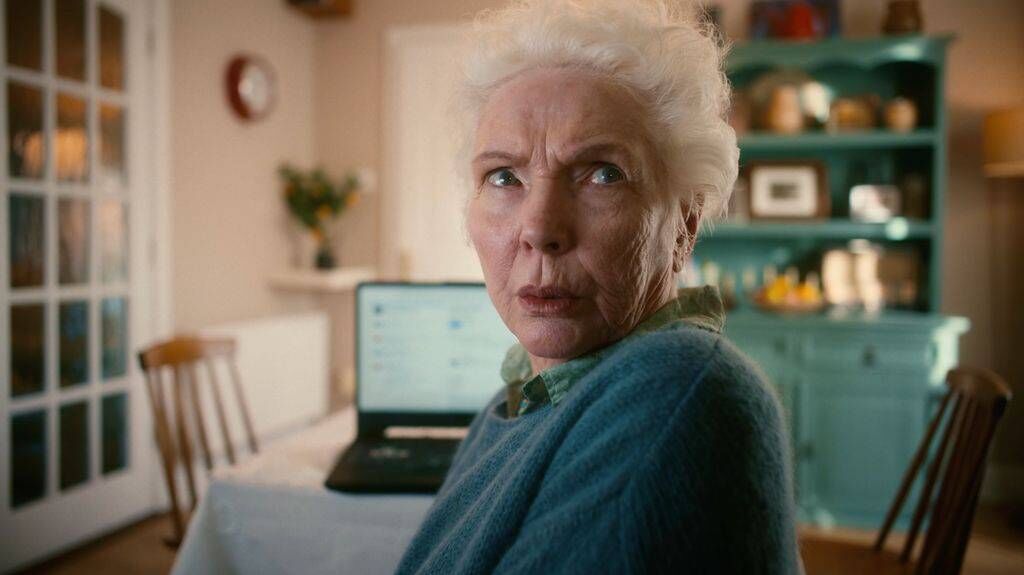
“That’s my parent’s kitchen in the home where I grew up,” Connaire says down a Zoom connection from her new home in Lisbon.
“Fitted by my uncle Jackie, husband of my late godmother.”
And here’s another connection. Brown Bread is a moving, poignant, and at times humorous look at the emigrant experience, and it was anchored in Connaire’s own story.
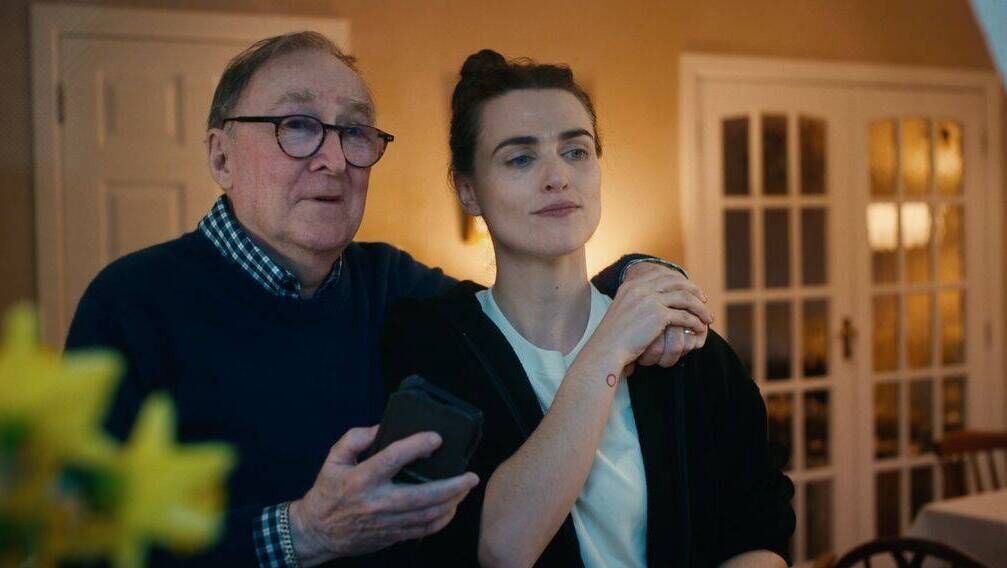
Just as the character of Aine, played by Katie McGrath, couldn’t get home from her job in New York to attend her godmother’s funeral, Connaire also missed out on her beloved godmother’s funeral due to issues with her Green Card application.
“What you have to do is hand over your passport,” Connaire explains, “and my immigration lawyers have said, now, you know, you’re not going to be able to travel with this, and I was like, it should be fine, a couple of months or three months, whatever it was, maybe it was six months, I can’t remember. And then my godmother, who I was very close to, also from Longford, passed away in that period, and genuinely, it just did one with my head.
“As an Irish person, the guilt, but it wasn’t even just that. It was a very profound moment. All I wanted to do was be back in a very simple house in Longford drinking a very simple cup of tea with my family. It just made me question everything about why I had kind of chased this in New York, that felt very at odds with how I was brought up, simple enough beginnings, and my relationship with my aunt was very much based on [having] a cup of tea.”
By any measure, Connaire’s career has been a success. Never mind the two Emmy Award nominations, in 2021 she became the first woman to be awarded the freedom of Co Longford.
Yet the passing of her cherished aunt sparked conflicting thoughts that no doubt occupy the hearts and minds of Irish people living the world over.
“It’s like a modern Irish emigration story,” she says, adding of : “I was trying very hard to steer away from anything that felt twee.”
She says her own two children are “very Irish”, despite living in the US and now in Portugal, and she adds that being able to portray her home town with “a sense of pride” was “hugely important”.
Elements of the film — some of the locations, and also some home video footage — further anchors the fictional story in the reality of Connaire’s life.
Moving to Lisbon, she says, has helped with that connection to home, and it is certainly a change from the starkness of one of her children having undergone a ‘shooter’ safety drill at their New York school.
“I kind of, in a joking way, pitched it as ‘we’re moving home!’ and whispered, ‘to Europe’.”
Her sister lives in Australia and so proximity to Longford — and Donegal, her husband’s home county — counts for a lot, but as she says: “You have to chase your own life, you have to do what’s good for your own family. And this is where we are now.”
And it has been quite a journey. For Channel 4’s , Connaire secretly filmed in China where clinics provide electro-shock therapy to ‘cure’ homosexuality.
A particularly harrowing edition of saw Connaire covering the efforts of medics with Médecins sans Frontières in combatting the Ebola virus in Sierra Leone.
Yet despite all that time in front of the camera, Connaire credits her three years working for the Clooneys as the inspiration for her tilt at fictional drama, recently telling : “I think being in their presence and learning a little bit about the world of Hollywood, gave me the confidence to enter this world.
“I would say this about all kind of different experiences I’ve had being around amazing filmmakers in current affairs as well, like when you’re in people’s company, and you see what they’re doing up close, and you’re like, ok, pretty sure that feels like I can probably do that too, everything feels a bit more accessible,” she says.
“I would say, with my role at the [Clooney] Foundation, a big part of it was actually directing short films for George, and he was the executive producer, and I was the director, and we’re working really closely and collaborating on that. And so, on first cuts, I was getting amazing feedback. So I was like, Okay, if George thinks my films are ok... it definitely gave me a little bit of confidence.
“It’s been a creative itch I’ve had forever, to write a script and all with a view, I would say, to doing something bigger after this short. The short is a little test.”
Connaire saw the Clooney Foundation as having the biggest platform to “amplify voices” — a case in point being the gathering of evidence of indiscriminate attacks by Russian forces in Ukraine that killed civilians and destroyed civilian objects, as well as violations committed by Russian armed forces, which ultimately led to cases being lodged in court.
Connaire has previously spoken about the strangeness of being interviewed by the Clooneys for the job, but after three years with the Foundation, topped off with a visit with Amal and Michelle Obama to Malawi and South Africa, she knew it was time to move on.
“It was such a high,” she says. “I kind of knew in the back of my head that I was potentially going to leave so I was like, feck it, I might as well just leave on this high.”
She once received Batman balloons from George, a former celluloid Bruce Wayne, for her 40th birthday, but she doesn’t ever see her former employer running for the White House, adding: “I don’t believe celebrities and politics should mix.”
Given what’s happening in America, maybe even Batman himself would struggle. Connaire also sees journalism as being “under attack” around the world but particularly in America, which, she believes, does not have the buffer of adequate public service broadcasting.
She also takes the point that in some ways, drama can engage people with real life issues in a way beyond that of reportage, adding: “I would love to create something that actually moves the needle.”
So she is working on a “prestige drama”, and it sounds like the next step after has circulated among the various festivals.
Yet there is no escaping the grá for home. Back in 2018 she was invited to speak at her former school, Méan Scoil Mhuire, only to be told on the day that the school could not show a montage of her broadcast work for reasons which included upholding the school’s Catholic ethos.
That led to Connaire not being able to attend and instead issuing a statement for the students about her work, and she never did get to show that montage in the way it was initially envisaged.
“I always will stick to my values, and that was very much against what I believed in,” she says now.
There is a small echo of this in and the subsequent granting of the Freedom of the County and all the assistance of local people in the making the short film shows that the county holds her dear as one of their own.
There is a lot to be said for it – and the related home comforts.
“Just something simple like going to SuperValu and buying purple Snack bars and sausages — that’s high on my priority list,” she says.
- will be showing at festivals internationally throughout 2025