Famine, music, language: 2024 choices show plenty of variety
Diarmuid O’Donovan shares his top reads of the year
Famine, music, language: 2024 choices show plenty of variety

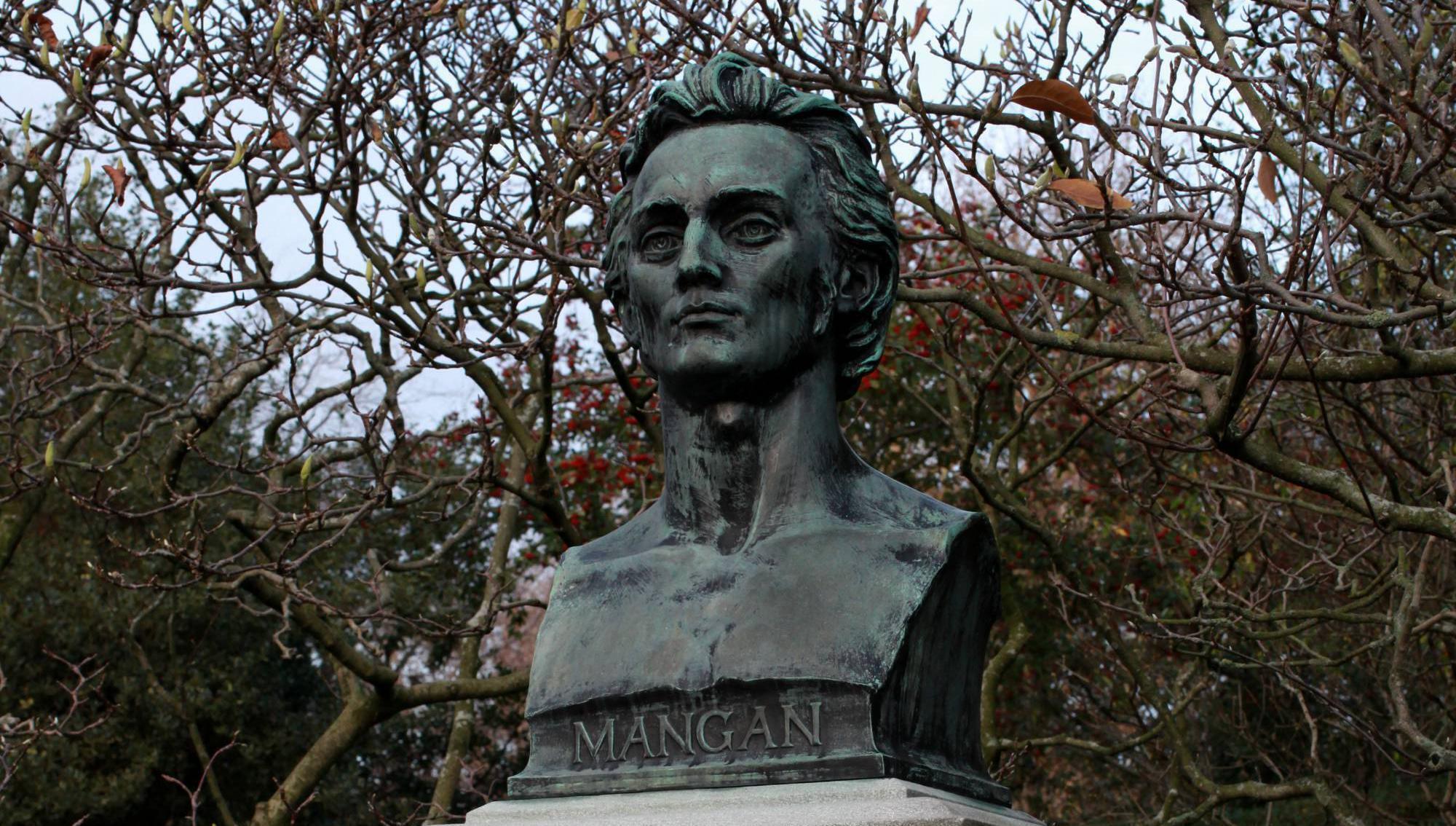
A bust of Irish poet James Clarence Mangan (1803 - 1849) in St Stephen's Green, Dublin. Picture: Amy T. Zielinski/Getty Images
James Mangan

After the 1798 rebellion, the British Parliament attempted to put an end to the “Irish question” by abolishing the Irish Parliament. On January 1, 1801, Ireland became part of the United Kingdom.

The move had huge social and economic consequences for Ireland. While the economic consequences were visible across the country, Dublin city faced the brunt of the decline.

As wealth flowed out of the country, Dublin lost its place as the second city of the empire. The grand Georgian houses of Dublin, once the scene of summer balls, parlour recitals and society gatherings slowly decayed into some of the worst tenements in Europe.
As Georgian Dublin faded in 1803, James Mangan was born in Fishamble St to a Dublin grocer and his wife. He added a middle name, Clarence, in his 20s. Mangan left school at 15 and went to work to support his family who had fallen on hard times.

Some of Mangan’s early poems were published in 1821 but it was not until after Catholic Emancipation in 1829 that newspapers and periodicals began to publish Irish writings again.

Throughout the 1830s and 40s, Mangan built a reputation as a translator. During this time, he befriended the patriots, John Mitchel and Thomas Davis and his poems were published in The Nation. One of his best-known works is ‘My Dark Rosaleen’. He also wrote ‘Woman of Three Cows’ and ‘A Vision of Connaught in the Thirteenth Century’.

Much of Mangan’s life remains a mystery. His most famous image is merely a silhouette. His attempt at an autobiography was left incomplete; stopping mid-sentence.

He appears to have had no liaisons of substance, generally turning up at parties and getting drunk before leaving. Mangan died in 1849 from an overdose of laudanum. By then he was an alcoholic and destitute.

Despite his tragic end, the ripples of his work spread through Irish literature for the next 100 years gaining him the reputation of “Ireland’s National Poet”.

Among others, his work influenced the Irish Nobel Prize winners James Joyce and William Butler Yeats.

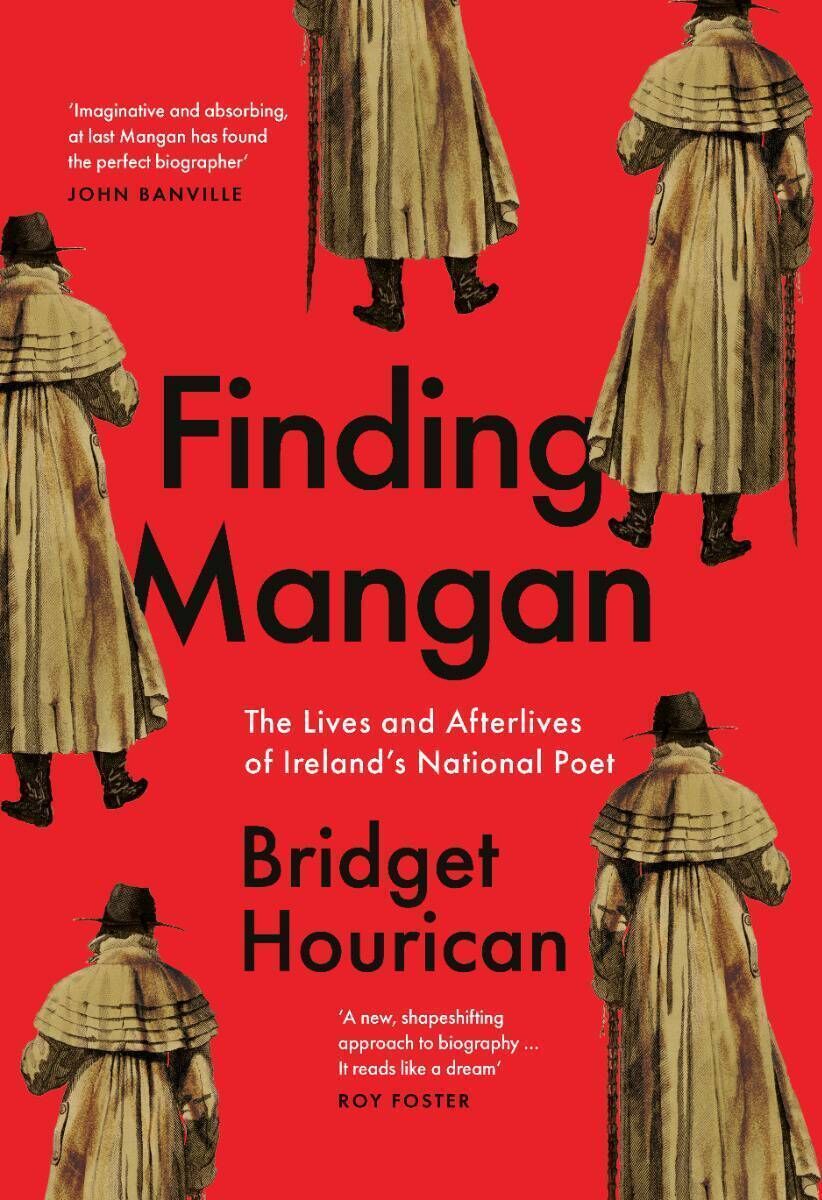
Finding Mangan - The lives and afterlives of Ireland’s National Poet by Bridget Hourican, published by Gill Press looks at the life of Mangan.

A chance meeting between Hourican and Shane McGowan in 2008 sparked the author’s interest in Mangan. The spark set a fire that grew into Hourican’s intriguing search for Mangan and its intertwining with her own life.

If Mangan’s life (1803 to 1849) spanned the decline of Ireland, his final years (1845 to 1849) saw Ireland at its nadir. By 1845 the vast majority of Ireland’s annual production and earnings were going towards subsidising English absentee landlords. The failure of the potato crop that year came at a time when the island’s population had grown to 8 million, with the vast majority living a peasant life in rural Ireland.

The Irish peasants were a hardy breed.

By 1845, their diet of milk and potatoes meant that the average Irish peasant male was almost a stone heavier and an inch or two taller than his English counterpart.

By 1846 all this had changed. A second crop failure meant that the situation had descended from serious crisis to total devastation. Thousands of families were forced to leave their holdings and seek charity and sustenance in the workhouses of the cities and towns.

Famine in Cork

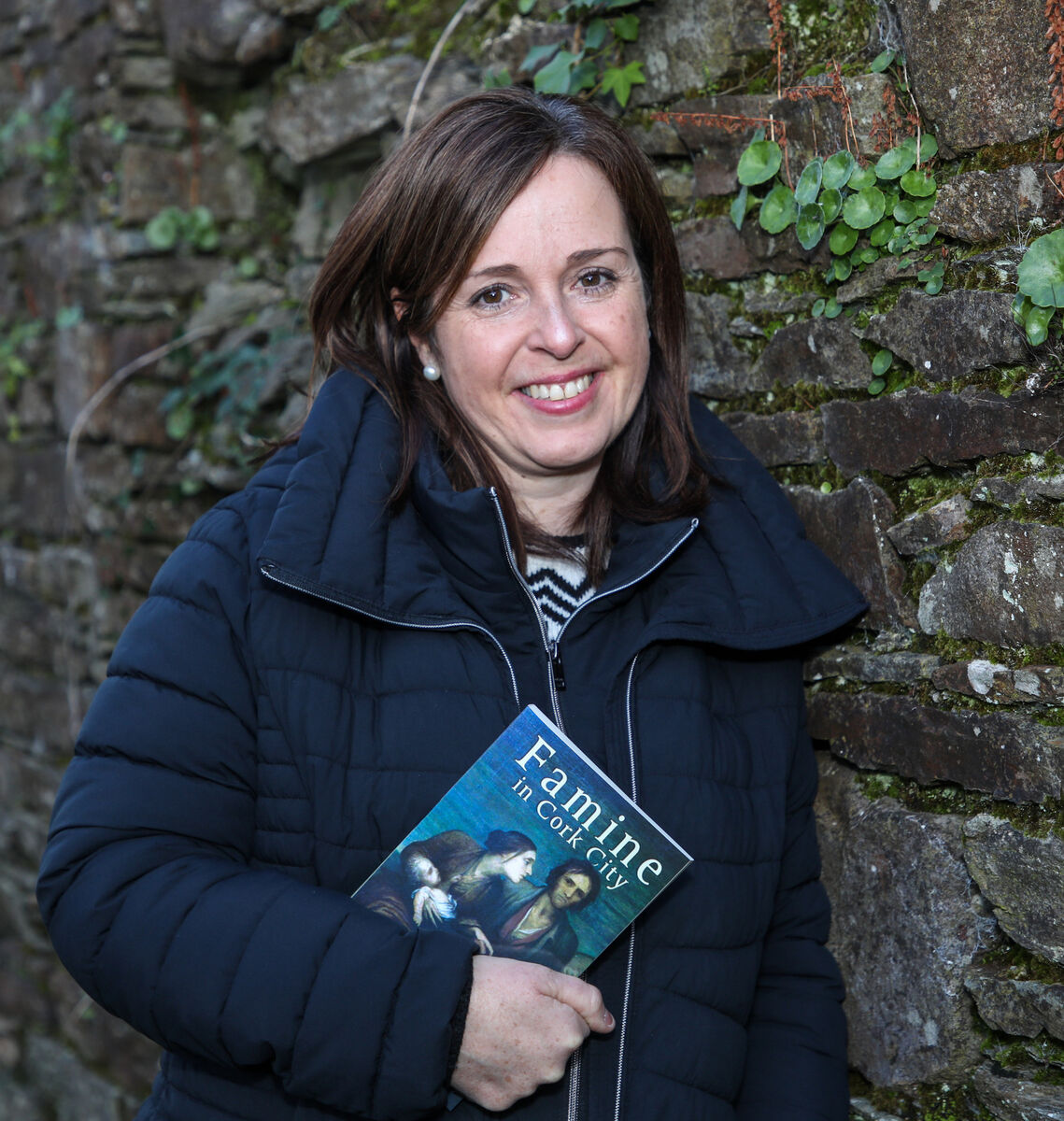
Famine in Cork City, by Michelle O’Mahony and published by Mercier Press outlines the situation within the Cork Workhouse. The book was re-published early this year by Mercier Press and is a snapshot of what happened during the famine in Cork and graphically depicts what went on inside the building now known as St Finbarr’s Hospital.

Michelle O'Mahony with her book Famine in Cork City. Picture: David Creedon

The Poor House was opened in 1841 to cater for 2,000 people. At the height of the famine in 1847, more than 7,000 destitute souls were housed there.
Over a million people died of famine between 1845 and 1851; a further million left Ireland, never to return.

Those who left Ireland in the years after the famine were further up the (short) economic ladder of Ireland than most. These people saw the tragedy unfold and realised that they had to get out.

One member of a family would leave and settle in England or America.

Once the “scout” had established a place to live and work, they would scrimp and save in order to raise the funds for the next person in the family or village to travel.

Eventually whole villages moved to America.

At one point in the 1860s practically all of the charcoal sellers of Manhattan had their roots in the village of Bodeny, Co Tyrone.

These people rented whole tenement buildings. They eventually bought the properties, moved out to better accommodation and rented out their old rooms to the next wave from Ireland.

New York exodus

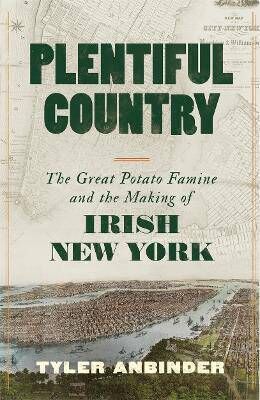
The life of these exiles is outlined in Plentiful Country – The Great Potato Famine and the Making of Irish New York by Tyler Anbinder, published by Bonnier Books. Once free from the enforced shackles of the British system, the Irish flourished.

As one US emigrant, Peter McLoughlin wrote back to his family in Ireland: “this is the best country in the world, there is no want; there is room in the living for all, but you may depend, they must work for it.”
There were, of course, many casualties and sad stories along the way, but the takeaway from Anbinder’s book is the Irish embraced hard work and proved to be successful once given opportunities.

Like the Irish, many other races have since found that they can improve their lives once they are free from the shackles of their native politics.

It is more than 200 years since people started pouring into the USA. In recent years, this has led to rise of a previously unforeseen issue; that of the erosion of the identity of nations through the loss of the native language.

Language loss

Centuries-old cultures are dissolving as people move away from the land and into the cities. There are currently over 7,000 languages in the world, yet 96% of the world’s population speaks one of the big six languages, (English, Mandarin, Hindi, Spanish, French and Arabic). The remaining 4% of people speak all the other languages of the world.

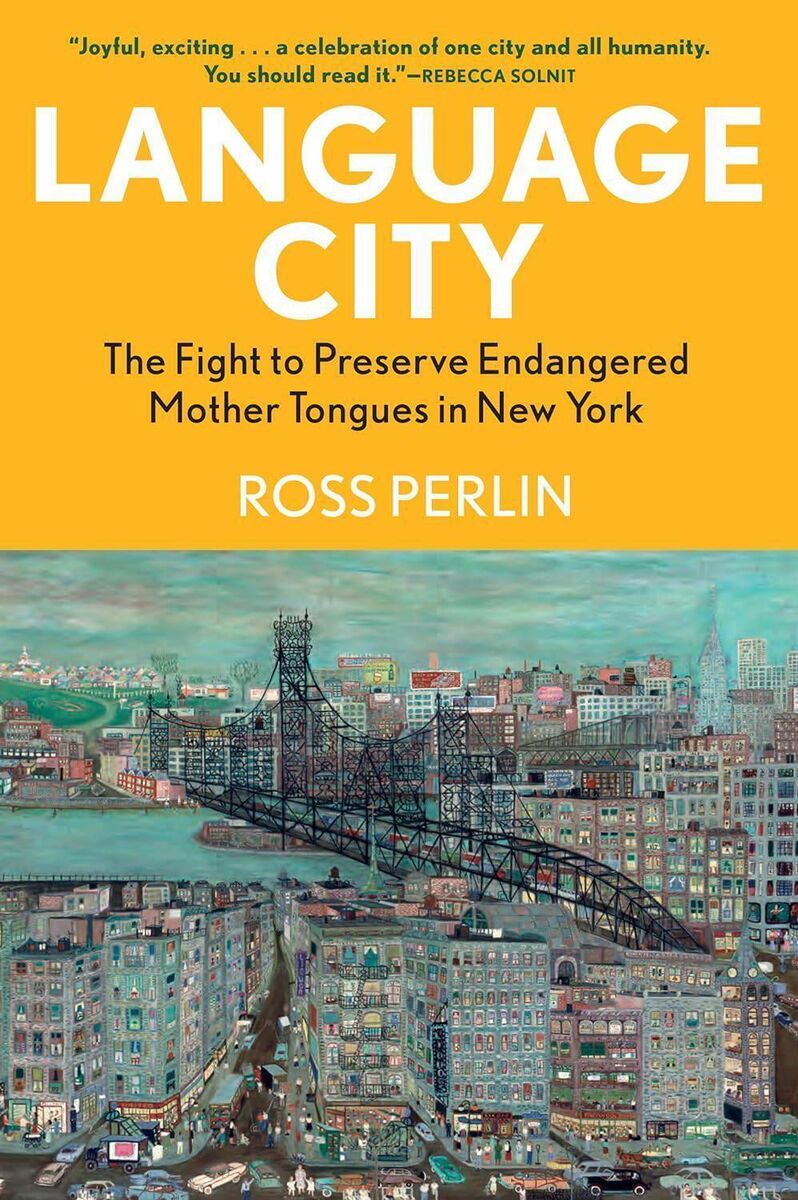
The fight to preserve the 700 languages spoken daily in New York is the subject of Language City - The Fight to Preserve Endangered Mother Tongues by Ross Perlin published by Grove Press.

The book outlines situations familiar to the Irish famine story.

There are only 700 speakers of Seke in the world today. Seke is spoken among the inhabitants of five villages in the Nepalese Himalayan mountains. Approximately 100 of these Seke speakers now live in one apartment block in Brooklyn.

The mission of the Endangered Language Alliance (ELA) of New York is to preserve the languages spoken daily in New York. Irish is one of those languages. In the 1860s there were 70,000 daily speakers of Irish in Manhattan, probably more than there are in Ireland today.

The Irish language survived the Act of Union, the Famine and the mass emigration that followed.

We owe it to James Clarence Mangan, the million who died in the Famine, and the millions who have left since, to keep our language alive.

BOOKS & MORE

Check out our Books Hub where you will find the latest news, reviews, features, opinions and analysis on all things books from the Irish Examiner's team of specialist writers, columnists and contributors.


More in this section

Scene & Heard

Newsletter

Music, film art, culture, books and more from Munster and beyond.......curated weekly by the Irish Examiner Arts Editor.

Cookie Policy Privacy Policy Brand Safety FAQ Help Contact Us Terms and Conditions

© Examiner Echo Group Limited