Kieran Connell: Lessons to be learned from historical experiences of Irish
During the 1960s, the inner-city, working-class areas of Britain’s major cities were becoming increasingly multicultural
Kieran Connell: Lessons to be learned from historical experiences of Irish

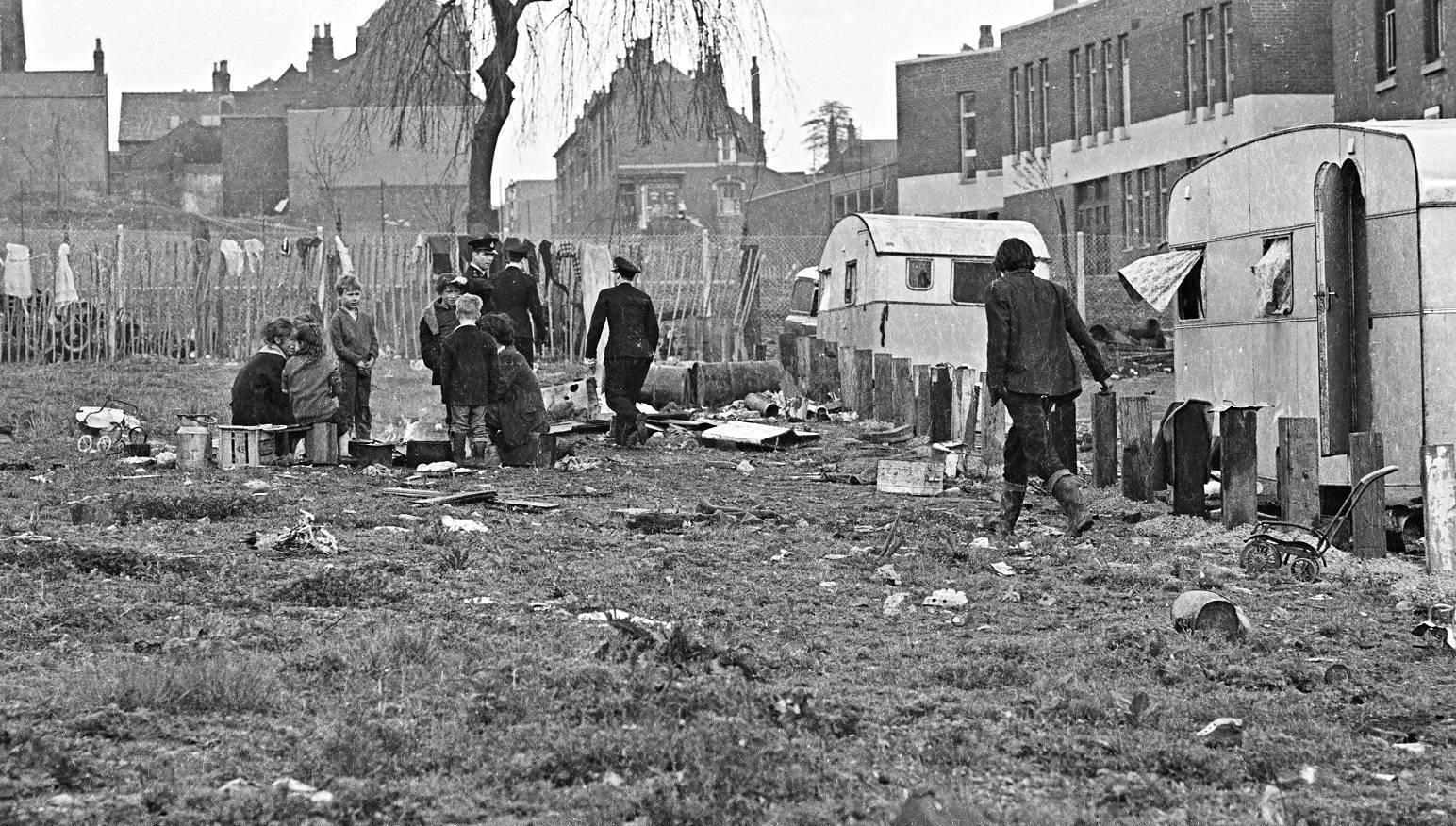
Irish Travellers would become the focus of a growing hysteria on the part of local British residents at this site at Balsall Heath, Birmingham, in 1968. File picture: Janet Mendelsohn, © Janet Mendelsohn/The Cadbury Research Library, University of Birmingham

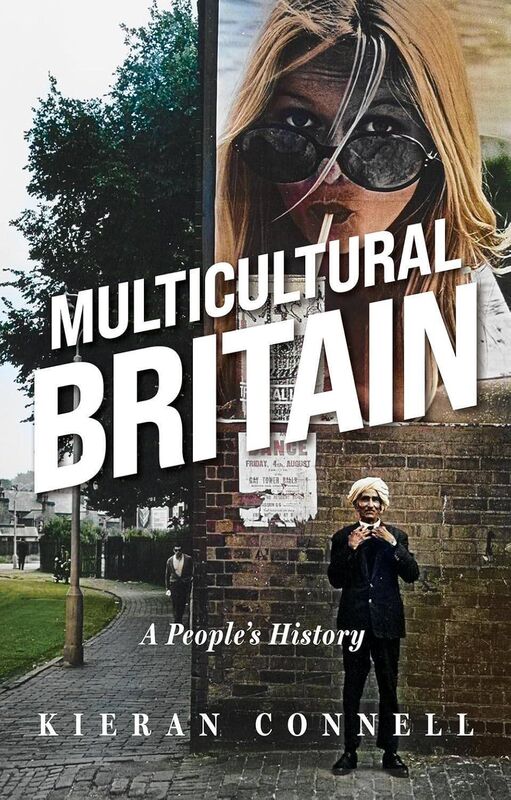
  • Multicultural Britain: A People’s History 
  • Kieran Connell
  • Hurst, hb £25.00

It’s summer 1968 and and a group of Irish Travellers have set up camp on a derelict site of land in Balsall Heath, an inner-city area of Birmingham. 

Around them are some of the worst slums in the country.
Many of the houses don’t have hot water. Some have a red cross spraypainted across the front door, the signal that the property is about to be demolished. 

Nearby is a bombsite, a remnant from the Nazi blitz of the early-1940s.

In among the decay and deprivation of Balsall Heath, these travellers may have thought they had found the perfect spot to go about their business — away from the prejudice that nomadic communities are often forced to endure.

They were wrong.

For months, the Travellers would become the focus of a growing hysteria on the part of local British residents.

Over 200 parents petitioned the city council stating that they would refuse to send their children to school until the Traveller camp was removed. 

Rumours spread that the Travellers mis-treated their own children, while the local MP described the site as “the most filthy and disgusting I have ever seen”.

A convoy of 100 police officers and 50 bailiffs were eventually instructed to forcibly move the Travellers on. 

Once the site was cleared, bulldozers were called in to dig an “anti-tinker ditch” around the site, to prevent the Travellers from returning.

One member of the settlement felt they had been treated “worse than dogs”.

 Another, who had joined the Traveller settlement after migrating to Britain from Dublin, explained that he had not always lived in a caravan. 

“But if you are a foreigner in this country and have no particular trade to your fingertips,” he asked, “what else is there?”

Why were these Travellers the focus of so much hostility? Partly, of course, it’s because of the longstanding stigma attached to Travellers — whether in Ireland, the UK, or across Europe.

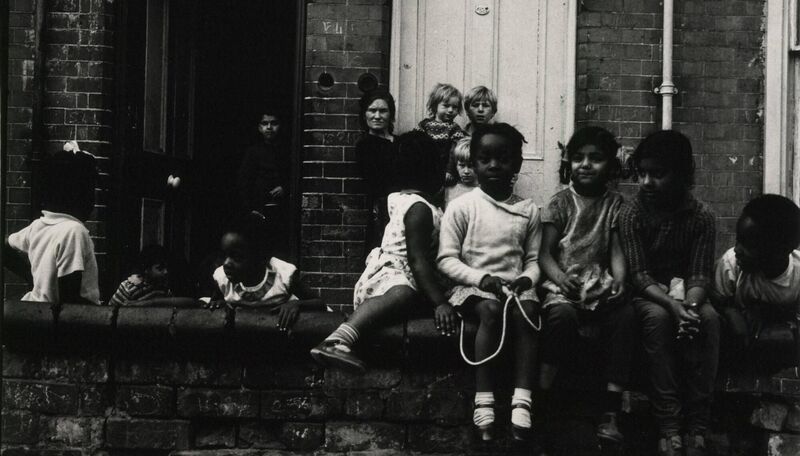
Children of immigrant families in Balsall Heath, Birmingham, in 1968. File picture: Janet Mendelsohn, © Janet Mendelsohn/The Cadbury Research Library, University of Birmingham

But at the same time, as I show in my new book, Multicultural Britain: A People’s History, it’s also because this particular Traveller community was caught in the crosshairs of a much larger set of anxieties about rising immigration and the collapse of the British Empire — in Balsall Heath and across the country.

During the 1960s, the inner-city, working-class areas of Britain’s major cities were becoming increasingly multicultural. 

The 1948 British Nationality Act gave the citizens of Britain’s colonies and former colonies the same rights to live and work in Britain as someone born in the UK.

The Act was envisaged as a way of dampening the anti-colonial nationalism that was charging through the Empire. 

It also gave Britain access to the cheap workforce that was desperately needed to rebuild the country’s crumbling infrastructure and establish the National Health Service.

By the 1960s, it had become clear that immigrants from the Indian subcontinent, the Caribbean, and Africa were going to be a permanent presence in Britain. 

Most did not return home after having made their fortunes in Britain, as many originally hoped they would. 

The simple reality was, because of low pay, racism, and bouts of unemployment, there were no fortunes to be made.

Kieran Connell, author of 'Multicultural Britain: A People’s History', teaches history Queen’s University Belfast.

Instead, at the exact moment that the British Empire finally crumbled away, these immigrants began putting down roots. They sent for wives, girlfriends, children and other family members to join them. 
They scraped and saved for a deposit on a house — usually in run-down parts of town like Balsall Heath. 

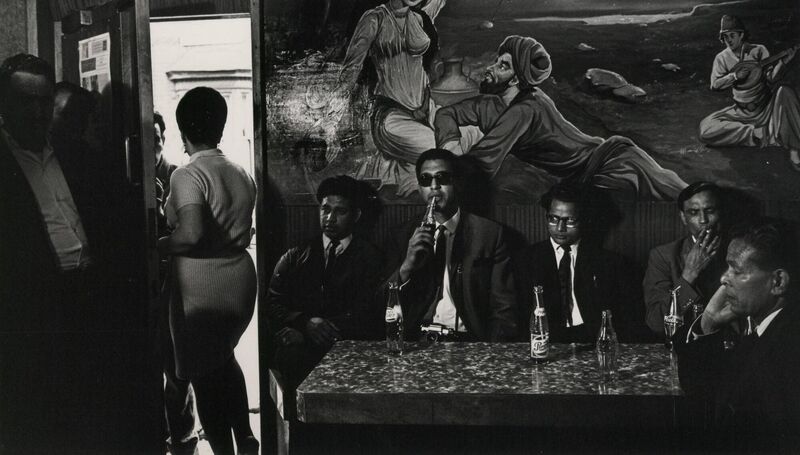
They began opening businesses like shops or cafés, to which they often gave names that referenced their countries of origin.

As immigrant groups sought to establish themselves, the hostility they encountered often increased. Sometimes, hotels, cinemas, pubs, and other establishments simply barred Black people from entry. 

There were outbreaks of rioting in which Black people were attacked on the streets, and immigrant-owned property was vandalised.

In 1968, the MP for Wolverhampton (and future MP for South Down) delivered an incendiary speech in Birmingham city centre, a few miles north of the Traveller site in Balsall Heath. 

In it, he painted a dystopian picture. He claimed white people were now unable to obtain hospital beds, and that white children could not get school places. 

“In 15 or 20 years’ time,” Enoch Powell said, “the black man will have the whip hand over the white man.”

As the largest immigrant population in Britain, the Irish were also the target of hostility. In 1961, there were 644,400 Irish immigrants in England, and 58,000 in Birmingham alone. 
By 1965, one in six births in Birmingham were to couples with at least one Irish-born parent, and many more people had Irish ancestry. 

My own great-grandparents, for example, moved to England from County Cork in the early-1900s.

Like the tens of thousands of immigrants from the Caribbean, South Asia, and elsewhere, the Irish were establishing themselves in post-war Britain. 

In Birmingham, the St Patrick’s Day Parade began its inaugural procession in 1952 and newspapers like the Irish Press were commonly found in local newsagents. 

In certain pubs, last orders would often be drunk to the sound of ballads like ‘The Wild Colonial Boy’, often accompanied by an Irish button accordion.

Yet colonial-era stereotypes about the “wild Irish” persisted. They played into a growing perception that the dilapidation of Britain’s inner-cities was a problem caused by the increasing diversity of its inhabitants.

In 1965 there was an outcry in Birmingham over the dubious finding that half of all arrests for being drunk and disorderly that year were people with Irish names. 

English residents complained their Irish neighbours were liable to getting “boozed up to their eye-balls” and prone to fighting one another in the streets. 

Such hostilities became even more pronounced with the escalation of the Troubles in the north of Ireland in the 1970s.

Politicians like Powell fanned the flames by suggesting that Britain’s problems would be solved if only immigrants from Britain’s former colonies — these living, breathing symbols of the diminished nature of Britain’s global power — were removed, or at least barred from future entry.

Seen in this context, the determination of the Birmingham authorities to remove the traveller site from Balsall Heath in the summer of 1968 takes on new meaning. 

It was part of a wider attempt to appease a section of British society who might also like to see other kinds of foreigners removed, too.

Like immigrants from the Caribbean, Africa, and South Asia, then, Irish migrants were often victims of discrimination as Britain evolved into the multicultural society it is today. 

Immigrants began opening businesses like shops or cafés, to which they often gave names that referenced their countries of origin, like the Pyar Ka Sagar café, Balsall Heath, Birmingham. File picture: Janet Mendelsohn, © Janet Mendelsohn/The Cadbury Research Library, University of Birmingham

The “No Blacks, No Irish, No Dogs” signs that were posted on the windows of bed and breakfasts, or on pub doors, were real.

But we should also be careful. While there were similarities, there was one obvious, yet crucial distinction: the Irish were white. 

In Britain, this gave them privileges not afforded to Black or Asian people. 

It is significant that when the first measures to restrict immigration from Britain’s former colonies were introduced in 1962, the Irish were exempt.

We live in a time when a small but vocal minority in Ireland are making many of the same arguments that, in a previous era, were used against the Irish and other formerly colonised people in Britain.

One in five people in Ireland are now born overseas. Many will be putting down roots in Ireland in a way that the Irish have done abroad for centuries. 

Soon, the word ‘diaspora’ will take on new meanings. As this story plays out, we would do well to keep the historical experiences of the Irish diaspora at the front and centre of our minds.

  • Kieran Connell teaches history at Queen’s University Belfast

x

BOOKS & MORE

Check out our Books Hub where you will find the latest news, reviews, features, opinions and analysis on all things books from the Irish Examiner's team of specialist writers, columnists and contributors.


More in this section

Scene & Heard

Newsletter

Music, film art, culture, books and more from Munster and beyond.......curated weekly by the Irish Examiner Arts Editor.

Cookie Policy Privacy Policy Brand Safety FAQ Help Contact Us Terms and Conditions

© Examiner Echo Group Limited