Author interview: Cauvery’s West Cork novel has links to her love for the area
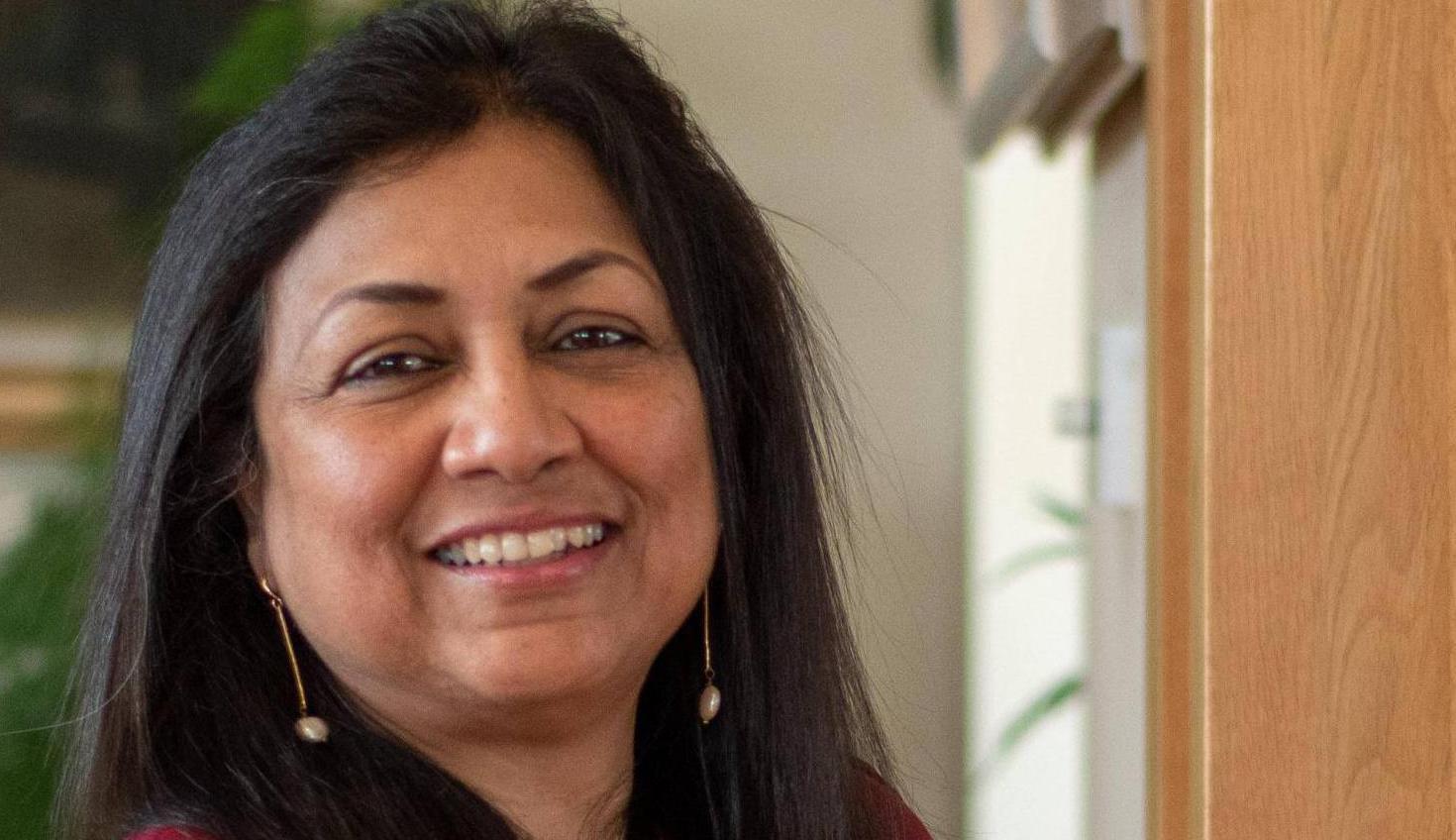
Cauvery talked so much about her love for west Cork that finally she persuaded her husband that she needed a house there to write in
Author interview: Cauvery’s West Cork novel has links to her love for the area

Cauvery Madhavan’s love affair with West Cork began years ago when she stayed in the Anam Cara artist’s retreat in Castletownbere.

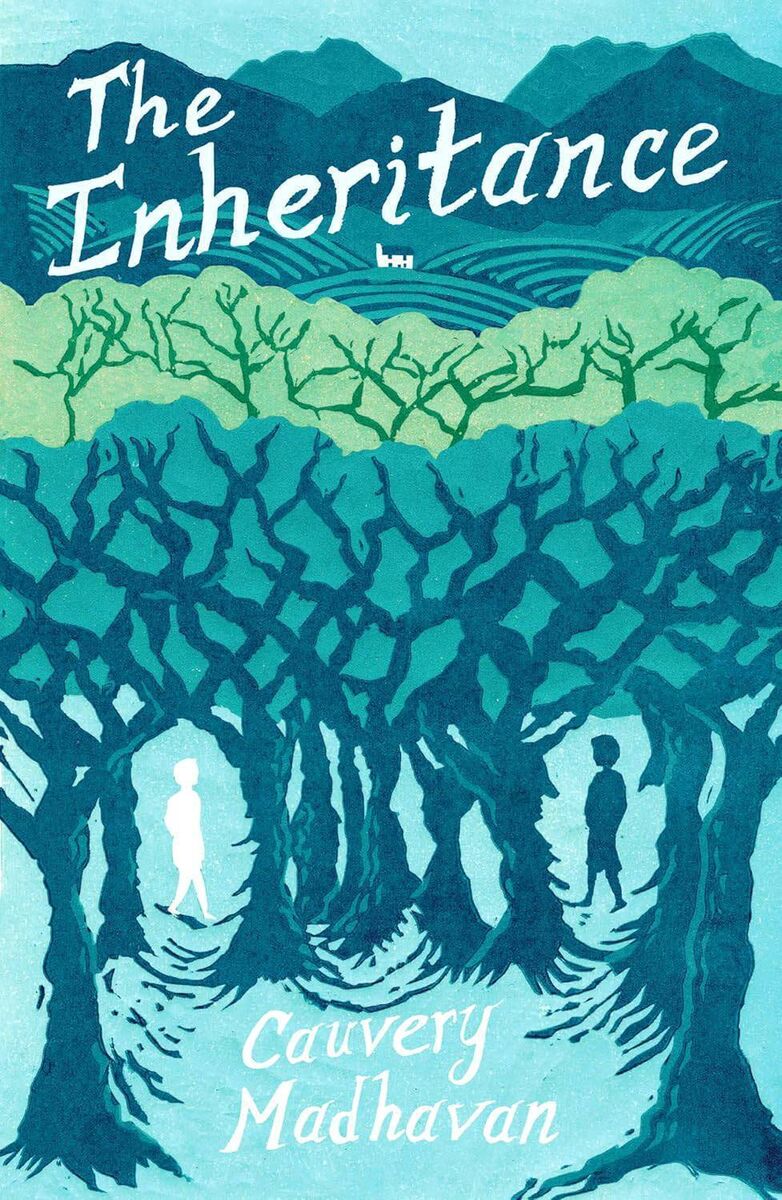
  • The Inheritance 
  • Cauvery Madhavan 
  • Hope Road, €18.85/ Kindle, €8.98

Years ago, when the writer Cauvery Madhavan was composing her first novel, Paddy Indian, she travelled to the Anam Cara artist’s retreat in Castletownbere. She took a train to Cork city, and then a bus through the countryside of West Cork.

“It was winter, and dark,” she tells me, over lunch in Dublin. “I had no idea of the landscape we were driving through.

“When I woke the next morning and saw the vista of Coulagh Bay and the mountains of Kerry beyond it, it just took my breath away. It was magic.”

During the week of her stay, she walked around the area and was blown away by the friendliness of everyone she encountered. And so began Cauvery’s love affair with West Cork.

Born and raised in India, Cauvery moved to Ireland aged 23, in 1987. Her husband Prakash, was completing his medical training at the time, working his way up to become a consultant in vascular surgery. 

The couple felt immediately at home in Sligo, but living there at a time when there was a recession-induced exodus was a little unsettling. 

The first time Cauvery saw women dancing around their handbags in a nightclub, she asked a friend what was going on.

And she said, ‘most of our young men have left’. There were literally no jobs for young people.

Three years in England’s Lake district followed, which, Cauvery says, felt peculiar.

“We were so used to waving to every car going by and saying hello to everyone on the streets, and we had to unlearn that. 

“If you did that in England, they thought you were mad.”

It was from there to Limerick before finally, the couple settled happily in Kildare. 

But after her retreat, Cauvery talked so much about her love for west Cork that finally she persuaded Prakash that she needed a house there to write in. 

And 22 years ago, when Cauvery’s second novel was underway, they found the perfect cottage on the outskirts of Glengarriff.

“We were fated to get that house,” she tells me. “The day we got the keys Prakash and the children met a neighbour who invited them back for tea.

Strange coincidences

“His wife was a writer and translator. She said to him, ‘I’ve just finished a novel by an Indian woman, and I’ve written to my publisher asking if I can translate it. It’s called Paddy Indian’.” 

She laughs uproariously. “And we were in the middle of blooming nowhere. It gave me goosebumps.”

And if that was strange, it was nothing to the coincidence that happened when she was researching her latest book, The Inheritance

Set in Glengarriff and its environs, there are two strands to the story — one taking place in 1986, the other in 1602, when the last survivors of the Battle of Kinsale hid from the English in Glengarriff Forest before making a historic march to safety.

“When I was one-third of the way through writing The Inheritance I found out through historical records that the ridge to the left of the land on which our house sits was where the English were camped, and on the right is Glengarriff Forest where O’Sullivan Beare and his men were hiding. 

“There must be so many souls that perished here, and their bones must still be around. I thought, I am meant to write this book. It gave me such momentum.”

There’s a magical element to the book too — in the form of Cloichin, a spirit child, son of O’Sullivan Beare — a device which links the ancient and modern stories.

One of my neighbours guided me in that. I’m on the sceptic spectrum, but I asked her what would make a child come back. 

“We had lots of chats, but when I was doing the edits, I felt tearful,” she says. “There have been so many children orphaned by war — and the horrors of the past are being repeated, even now.” 

For all the violence of the history of Glengarriff, Cauvery feels more at peace in the valley than anywhere else.
“I spend great chunks of time here and I have never, ever felt unsafe,” she says. “I sleep right through the night, always, something I never do when I’m home in Kildare.”

She has gifted her cottage to Marlo, whose point of view dominates the modern strand of her story. Arriving from London to claim his inheritance, the young, rather troubled man feels so instantly at home amongst his new neighbours, that he soon realises he could never return to live in London again.

Open to any work, he finds himself driving the bus that runs from Cork city to Castletownbere — the very route taken by the author on that first ever visit — and gets to know the passengers, including Sully, a six-year-old who doesn’t speak and is on the bus because no school will take him, and he has nowhere else to go.

“I overheard two women talking about a family whose little boy would be on the bus to give his family respite.”

I never forgot that story — it was such a compassionate arrangement.

While The Inheritance is full of such community kindness, there is also a lot of unwarranted judgment. Sully’s mum Kitty became bereaved when her fiancé perished in the Whiddy Island disaster. 

Her neighbour’s sympathy for her evaporated when it became known that she was pregnant by him out of wedlock; she was vilified. 

And she’s not the only woman stoically coping in the patriarchal society of that time — others also had to deal with Catholic style shame and blame.

This is the first of Cauvery’s novels to be entirely set in Ireland and, worried about cultural appropriation, she hesitated before putting pen to paper. 

But she needn’t have worried. She has captured the local voices, expressions, concerns, quirky humour, and their sense of community so accurately, that it’s hard to believe that she’s not a native of the area.

“I spent 11 weeks holed up in the cottage writing the second half of The Inheritance,” she says. 

“I felt I could not write the dialogue or the descriptions unless I was actually here.” 

An acute observer, she brings in a lot of local colour. The characters gather at Casey’s Hotel — once frequented by Maureen O’Hara, who makes an appearance in the narrative.

“She lived in Glengarriff in the latter part of her life,” says Cauvery, “I met here there three or four times, in the corner, which is still dedicated to her.” This book took Cauvery four years to write.

“I don’t plot,” she says. “I write by headlights. The first 100 metres of road are lit, then I just keep on going. That works for me. And it means that the book throws up surprises.”

Ireland has been good to the Madhavans. The hospital system here suits Prakash, who works at St James’s, and the education is a lot less pressurised than India — something that helped in their decision to stay in Ireland.

“My son started out in music — and my eldest started as a chef. And it’s weird, he’s now a vet, and my daughters ended up in medicine anyway.”

Does Cauvery ever miss India?

“No. I don’t,” she says. “But it took me years to admit that. You feel you have to apologise for it. But my family are here. 

“My mother now lives with us; my elder daughter lives in Naas and is married to a Kerryman. They’re expecting a baby girl. Our first grandchild.

“My mother is over the moon. She’s due on February 14 — Valentine’s Day. And that’s the day, in 1987, that we first arrived in Ireland.”


x

More in this section

Scene & Heard

Newsletter

Music, film art, culture, books and more from Munster and beyond.......curated weekly by the Irish Examiner Arts Editor.

Cookie Policy Privacy Policy Brand Safety FAQ Help Contact Us Terms and Conditions

© Examiner Echo Group Limited