Tom Dunne: Mal Evans, the Beatles' roadie who died in a hail of bullets
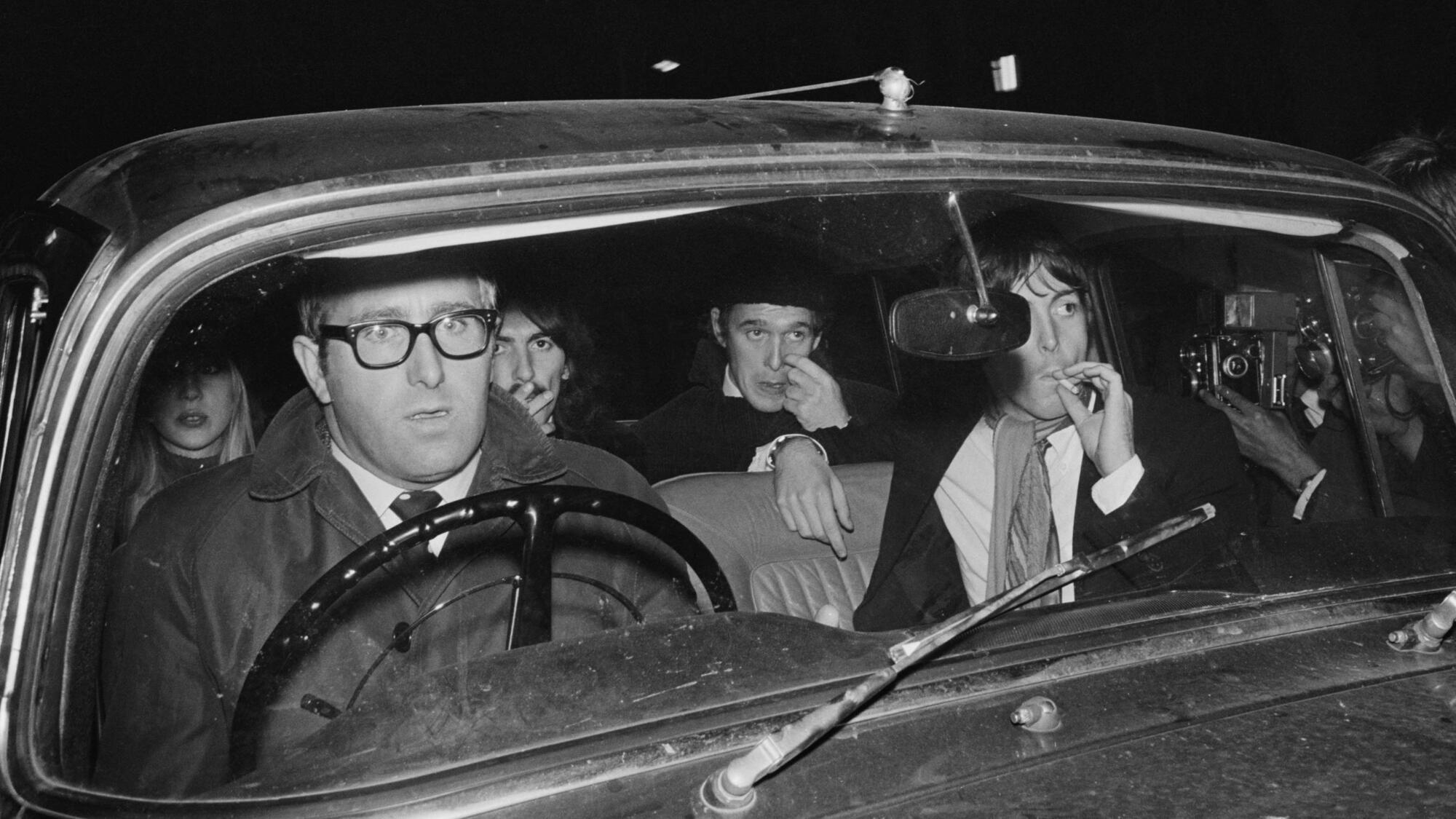
Mal Evans driving The Beatles in 1967. (Photo by Clive Limpkin/Daily Express/Getty Images)
Mal Evans was The Beatles’ roadie. He was the tall amiable man you may have seen hovering around Paul McCartney in Peter Jackson’s Get Back film. Gentle, helpful and obliging, at times it seemed Macca was singing just for him. And at times, well he was.
Those sessions were recorded at the halfway point in Mal’s Beatles life. Seven years earlier he had discovered them on a lunchtime break from work. Seven years later he would die in a hail of LA police bullets. It is a remarkable story by any measure.
He’d experienced his young adult life in late 1950s Britain. With the war still casting a shadow, he’d been quick off the blocks, getting married, securing a pensionable job, buying a home and starting a family. But all of that would change when he heard The Beatles.
He started to see them every day. With his bulk he was noticed in the small sweaty Cavern Club. He befriended George and it was suggested he act as a would-be bouncer It got him in free, it got him closer to the band. He was in.
In the early days he drove The Beatles through the great freeze of January 1963, as ‘Please Please Me’ inched up the charts. When the van’s windscreen smashed on the late-night drive home, they wrapped his head in paper bags and formed a Beatles “sandwich” in the back to stay warm.
He became their “roadie” a job description which was only really being invented at the time. Ostensibly it meant help set up the equipment at gigs, but as The Beatles’ fame grew so too did the demands. Eventually Mal’s job was to do “anything” the band needed.
When they had their first US number one, they jumped on his back to celebrate. He was the one of only two people who set up their gear on the American tours. For fans it was the first thing you saw: Mal’s giant frame carrying the bass drum with its distinctive Beatles logo onto the stage.
He protected them, fed them, got them strings, procured women, procured drugs, bought them smarties and mars bars, drove them, helped them escape, made tea, helped them move. He was on call for their every need 24/7. For this, as they became millionaires, he was paid £38 a week.
His sexual appetites seemed to dwarf those of his employers. At this remove it all looks a bit tawdry, but there were girls that wanted to get to the Beatles and Mal was the gatekeeper. He was soon living a double life: a wife and two children he adored living in Liverpool, and many, many “companions” on the road.
When these two lives eventually collided, it was his undoing. It was 1975 and he was both living with a woman in Los Angeles and maintaining a home in England. When Julian Lennon, then eleven, visited, Mal told Julian that the woman, Fran Hughes, was a cousin.
But, back in the UK Julian, couldn’t help but remark to Lily how unusual it was that Mal had kissed his cousin. For Lily it was the last in a long line of straws. The threat of divorce sent Mal into a spiral. His biographer Kenneth Womack believes his later death was “suicide by cop” (he’d pointed an air rifle at police officers at a Los Angeles motel).
It doesn’t end there. Mal had been working on a biography. The materials – his diary, lovingly recording everything from his first day with the Beatles, photos, recordings, handwritten lyrics – had already been submitted.
After his death these materials were put in boxes in the basement of the New York Life Building. There they remained until 12 years later, Lenna Kutti, a temporary worker, at the publishing company was told to “clear out the basement.” Her employers appeared disinterested when she found something she thought was interesting. So, Kutti, on her own initiative, made her way to the Dakota building and left a note for Yoko. Yoko sent in a legal team. The materials were returned to the Evan’s family.
And Paul really had been singing “just for him.” It emerges Paul’s story of his mother appearing to him to sing ‘Let it Be’ was a later fabrication. It was Mal that “came to him a dream.” In earlier versions of ‘Let it Be’ he sings “When I find myself in times of trouble, Brother Malcolm comes to me.” Another day, another remarkable Beatles story.
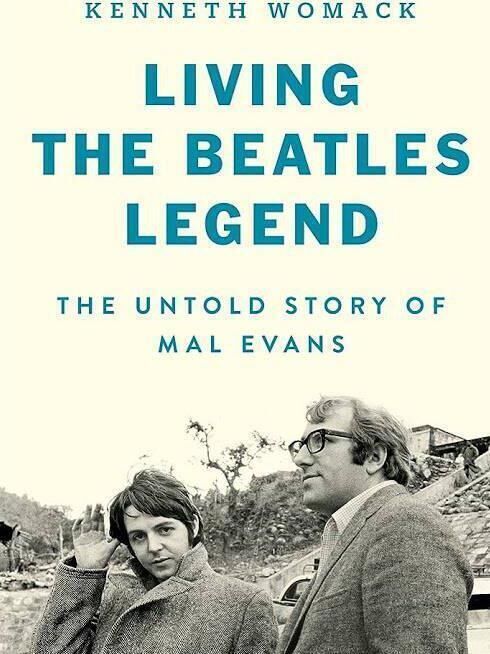
- Living the Beatles Legend- The Mal Evans Story, Kenneth Womack (Harper Collins), is out now