Book review: The uneasy compromise of the ordinary
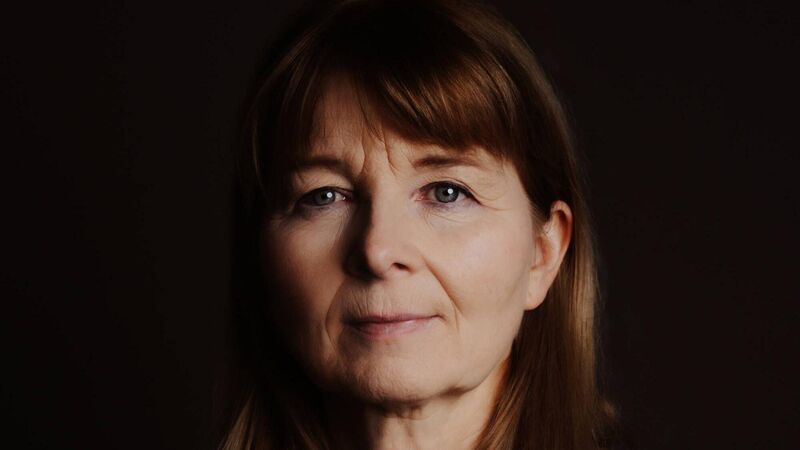
The stories in Mary Costello's are infused throughout with the spirit of James Joyce
Book review: The uneasy compromise of the ordinary

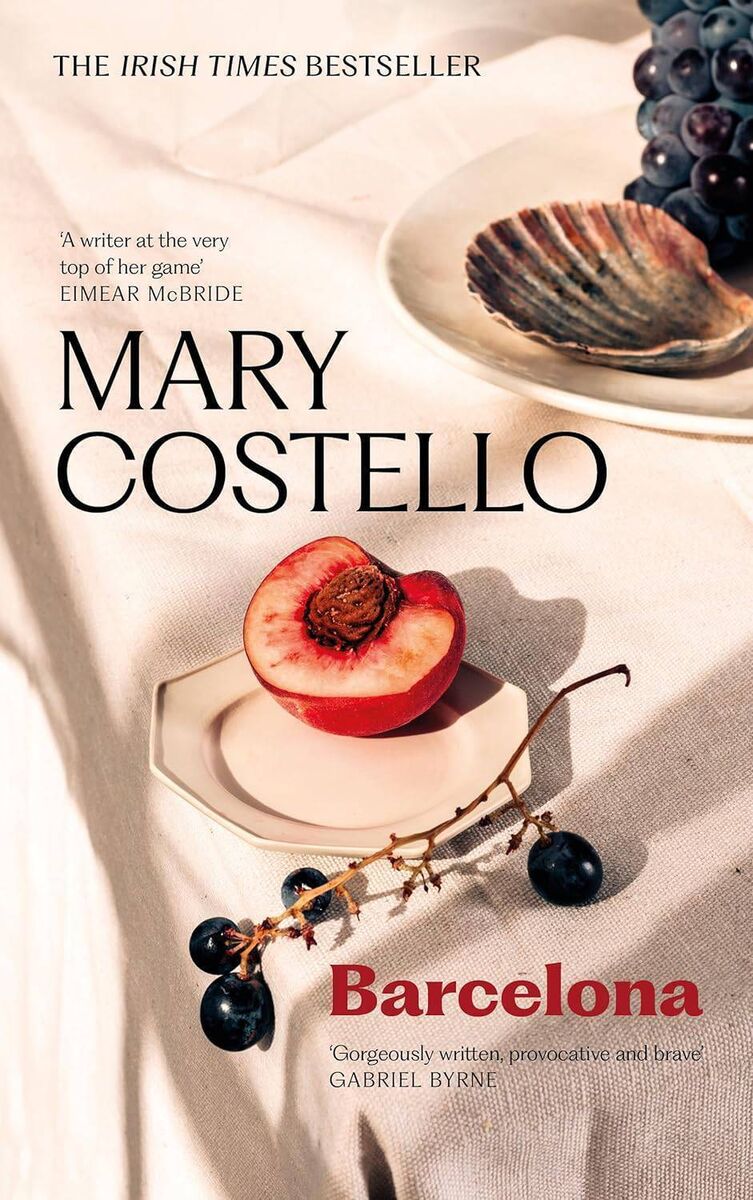
'Barcelona' is Mary Costello’s second collection of short stories. Like her debut 'The China Factory' (2012), it scrupulously disentangles the uneasy compromises of ordinary lives.

  • Barcelona 
  • Mary Costello 
  • Canongate, €17.99 

The title story in Mary Costello’s short story collection  Barcelona echoes James Joyce’s classic The Dead.

The narratives share common ingredients. In a hotel room, we observe a crucial, possibly fatal moment in a marriage as a disclosure about a dead, past love that haunts one character betrays the palpable distance between the couple.

In ‘Barcelona’, Costello gives it a significantly different flavour. Catherine’s ex-boyfriend was an animal rights activist who, she suspects, “sacrificed himself” for his beliefs.

The argument this provokes between David and Catherine leaves the latter “afflicted”, the culmination of a tension festering since dinner: when David began eating quail, a “terrible piercing loneliness entered” Catherine.

Human cruelty to animals and the fault lines this opens between characters is a rich thread running through the nine stories of this collection.

In ‘The Killing Line’, the brutality that Oliver, as a child, witnesses in an abattoir (convincing him to become vegetarian) and the complicity of his father, a beef farmer, in this slaughter is the linchpin of their unspoken adult conflict (“somehow these things are transmitted”).

In ‘At the Gate’, the narrator, on seeing a meat supply van, suggests the “single cause” of her suffering is “the doomed lives of animals”.

Later, as she recognises her incompatibility with her husband, she concludes: “I am losing empathy for my own species”.

Elsewhere, dogs are beaten and shot; a camel’s mutilation in a novel recalled.

Barcelona is Costello’s second collection of short stories.

Like her debut The China Factory (2012), it scrupulously disentangles the uneasy compromises of ordinary lives.

The Galway author has also written two novels: Academy Street (2014) and The River Capture (2019).

The former won novel of the year at the Irish Book Awards.

In ‘Groovejet’, a character’s bookshelf includes Camus and Houellebecq (a “nihilist’s library”).

It underscores the theme of estrangement in this collection.

Catherine, in ‘Barcelona’, is unnerved by how little we understand of even those closest to us (“everyone’s hidden life, far exceeds anything we can possibly imagine”) and feels drawn by “the promise of solitude”.

In ‘The Choc-Ice Woman’, the longest, most accomplished story and first published in The New Yorker, a couple poisoned by deception are “exiled” together in the same house.

When Martin takes the Eurostar to Paris to meet his adult son in ‘Deus Absconditus’, he wants “to get away from the man he is at home” and envies the effortless relationship other fathers have with their children.

These stories are infused throughout with the spirit of Joyce.

‘The Dead’ is the last story in Dubliners. In that collection, Joyce introduced the concept of epiphany — a sudden perception that acts as a turning point in a character’s understanding of themselves or the world.

In ‘Deus Absconditus’, Martin experiences an epiphany.

In Paris, he remembers a savage prank his son as a boy performed on a frog, triggering a scorching realisation of what his son might ultimately experiment with in his new job in a US chemical defence laboratory.

Thinking about his return to Galway, Martin stumbles into a moment of transcendence, anticipating the stretch of motorway where “the light is different”.

x

BOOKS & MORE

Check out our Books Hub where you will find the latest news, reviews, features, opinions and analysis on all things books from the Irish Examiner's team of specialist writers, columnists and contributors.
More in this section

Scene & Heard

Newsletter

Music, film art, culture, books and more from Munster and beyond.......curated weekly by the Irish Examiner Arts Editor.

Cookie Policy Privacy Policy Brand Safety FAQ Help Contact Us Terms and Conditions

© Examiner Echo Group Limited