Manchán Magan: 'There's a tradition the wells were places where women felt safe to gather'
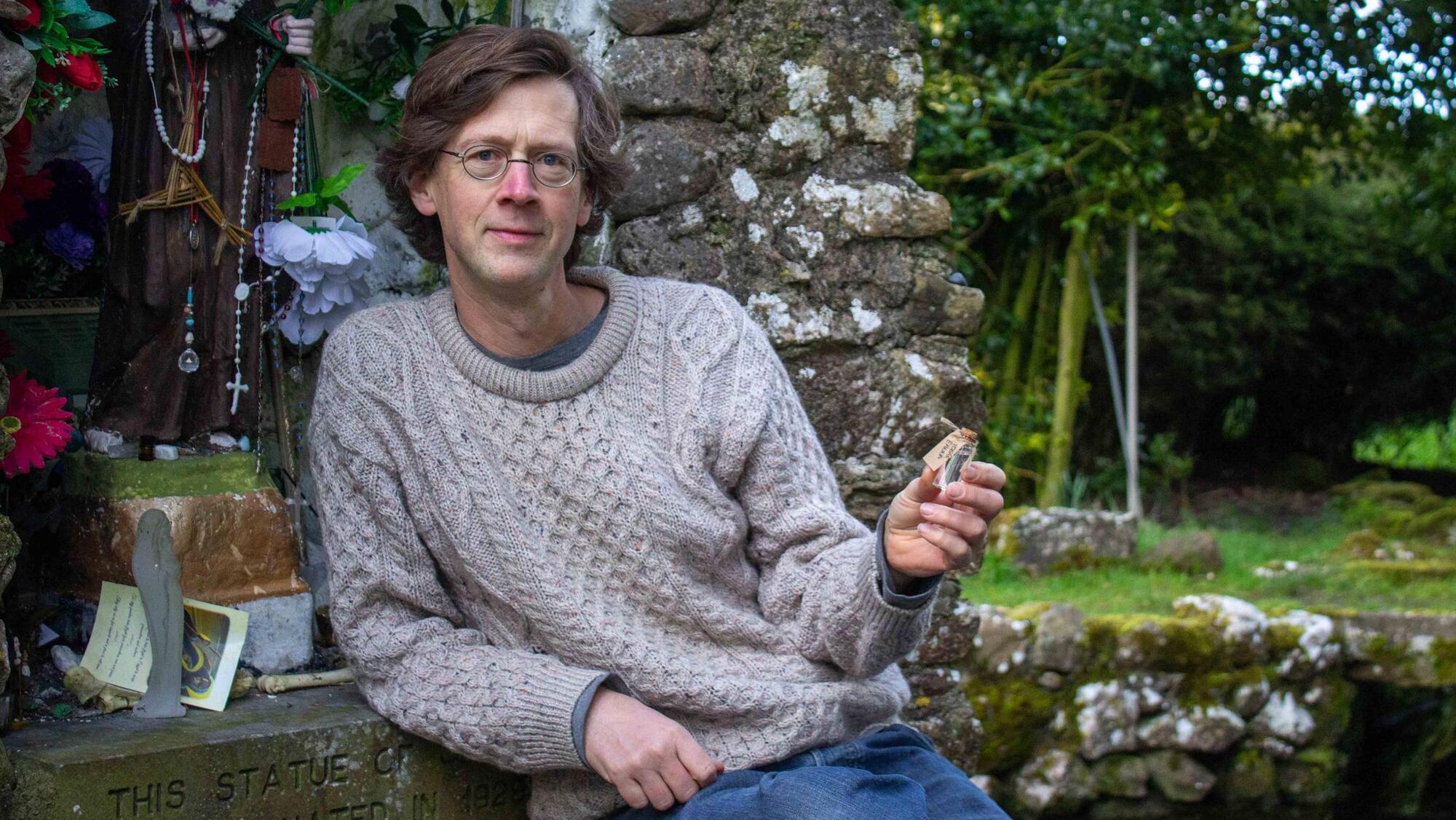
Manchán Magan presents Ag Triall ar an Tobar, about holy wells, on TG4.
You can’t throw a stone in Ireland without hitting a holy well. There are as many as 3,000 sacred watering holes in Ireland, according to Ordnance Survey Ireland, which is more than any other country in the world – and that’s not just per capita, but in crude numbers. Many of them pre-date the era of Christianity. A revival in their interest has led to a six-part documentary series on TG4, entitled Ag Triall ar an Tobar. It’s presented by Manchán Magan.
“In this time where we’re exploring who we are and what our connection to heritage is, looking at wells in a documentary seems like the right thing to do,” says Magan. “Sacred wells are a key element in all cultures. The idea of people connecting to water is a primordial thing. Go to any indigenous culture and water is the root of their life. If you speak to an Aboriginal person in Australia they will say everything is water. They know we're made-up of water, roughly 60 percent, that all of their farming and their trees are dependent on the water system. Wells have practical purposes – it’s where you go to wash your clothes and to bathe in. Then there's sacred ones. In Mexico, they’re known as cenotes.
“How can we know Irish people always had a connection to wells, given we have so little knowledge about pre-Christianity and what Druids or nature-worshipping believers were doing in Ireland? We see from St Patrick’s writings how determined he was to break the connection Irish people had with wells. There's always been a struggle between, say, Christianity or whatever new ruling force comes in trying to control people's connections with the wells. St. Patrick came across crowds gathering at wells to do different rituals. He made it his business – as well as the other saints – to go around Christianising the wells. This idea that there was a serpent or demon in the well and he banished it.”
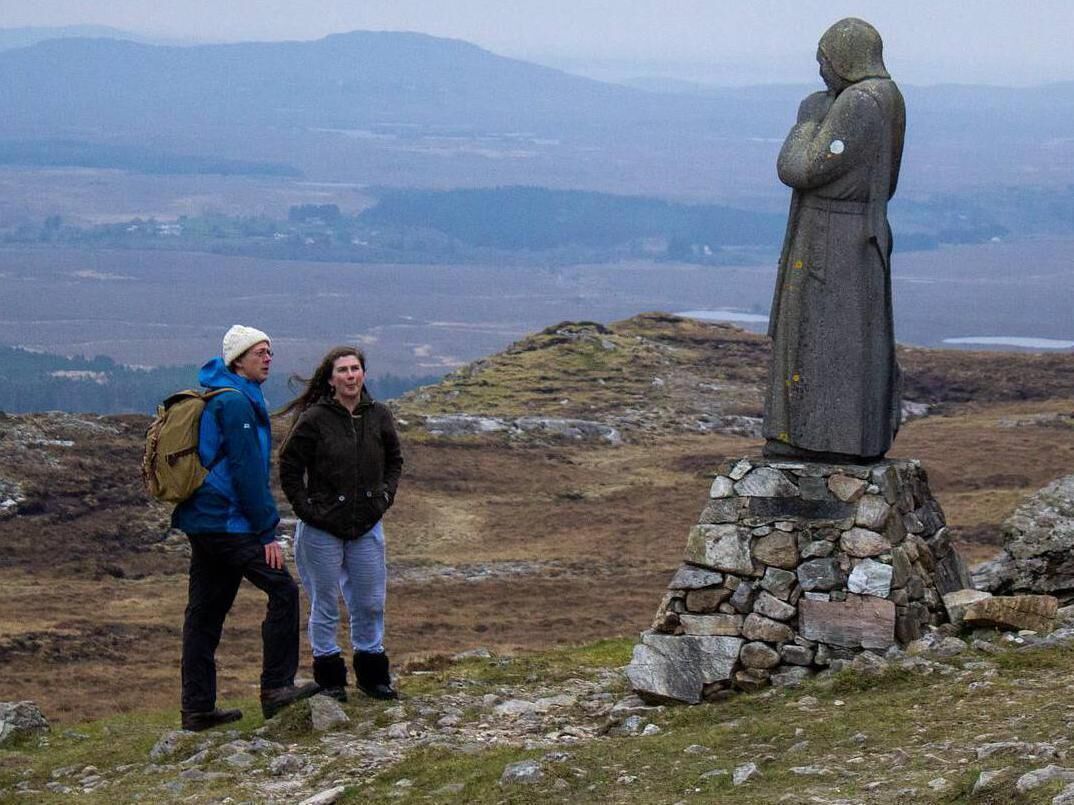
In the documentary’s opening episode, which includes impressive drone footage, Magan ventures to holy wells on Achill Island; Connemara; and to one of his favourite wells from the series, St. Declan’s Well in Ardmore, Co Waterford, arguably the site of Ireland’s first Christian settlement in the fifth century. This section features archival footage from a century ago of pilgrims on the 24th of July climbing under St Declan’s Stone, a sacred rock on the shore, a practice which it was believed helped to alleviate back pain. Although some said they had no back pain before crawling under it!
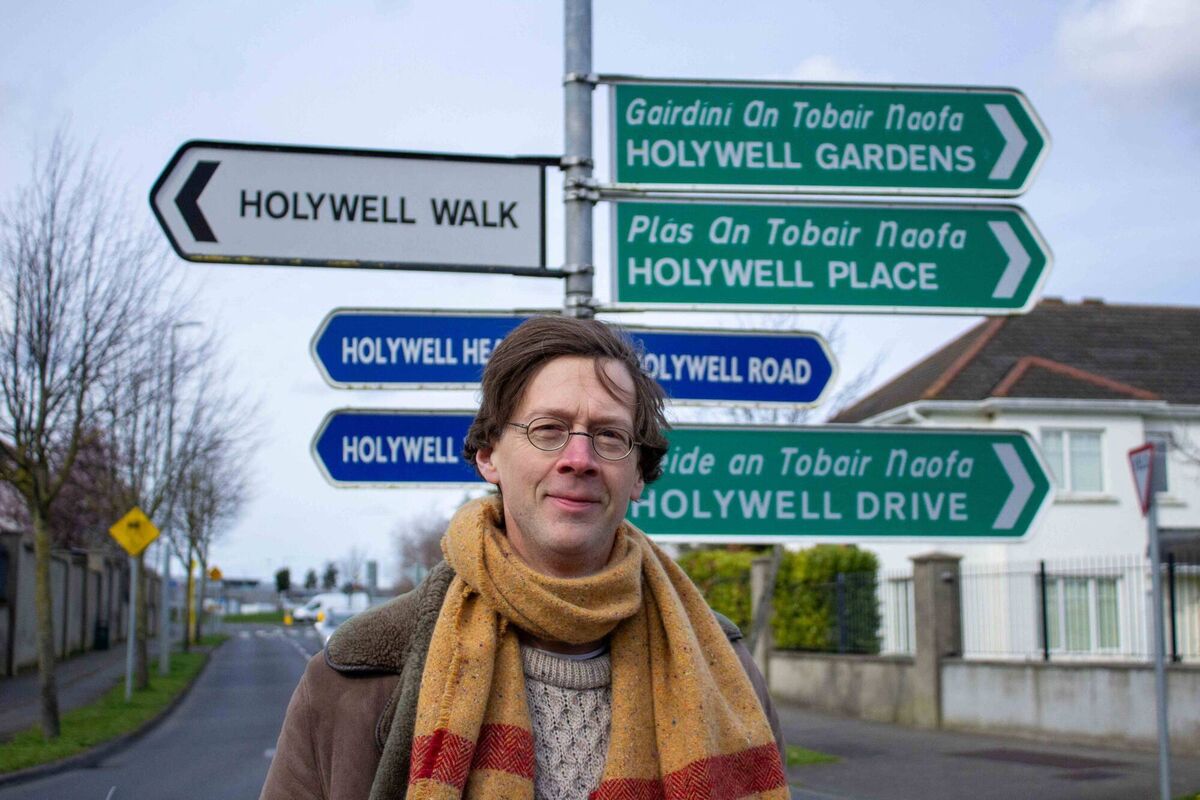
In making the documentary series, it surprised Magan how many of Ireland’s holy wells go unseen: “You're not going to know about them unless someone points them out. They're hidden. They require a guide or a guardian to bring you to them. I've been living beside Fore Abbey in Westmeath for the last 27 years. Fore means ‘source of water, spring’. It was only three days ago that someone told me where this actual water source, the pool, is. It's as evocative and as beautiful as the Shannon Pot, the mythical source of the Shannon River in County Cavan, but I had never known it was there.
“In all of the locations – we filmed in 40 or so different wells – we would not have found them unless we had detailed directions. Often, you need someone to walk along the stigh, over the hedge, and into the field to find them. They’re hidden until you know where they are. Then the minute you see them, you can never unsee them. They are potent.”
Episode Two takes in holy wells in Ireland’s cities, including Derry and Galway, as well as the site of a fascinating underground well, St. Patrick’s Well, beside Trinity College, Dublin. In Cork city, Magan hooks up with local writer and historian, Diarmuid Ó Drisceoil. At one stage on their travels around the city, they stop in a pub to enjoy a pint of Murphy’s in celebration of the local stout which is brewed at what was originally known as Lady’s Well Brewery.
“It's interesting – every city had its famous wells and a lot of those wells were attached to breweries whether that’s in Kilkenny or distilleries in Dublin or Lady’s Well in Cork, where Murphy's Brewery started,” says Magan. “Although, as we hear in the documentary, the water from Murphy's stout doesn't actually come from Lady’s Well, it comes from their own well, in their factory, across the road from Lady’s Well.
“What's shocking when you go and see Lady’s Well is the state of abandonment of that well. It was once a resource of pilgrimage, of Sunday gatherings. There is a lovely tradition that the wells of Ireland were places where women felt safe to gather, particularly on a Sunday after mass, a safe space away from the church. Of the wells I visited, I don't think any well was as sad and forlorn as Lady’s Well. There's a whole gorgeous amphitheatre built around. It was a place that was once glorified, but now it's in a derelict, forgotten area, and still right across the road from Murphy’s Brewery.”
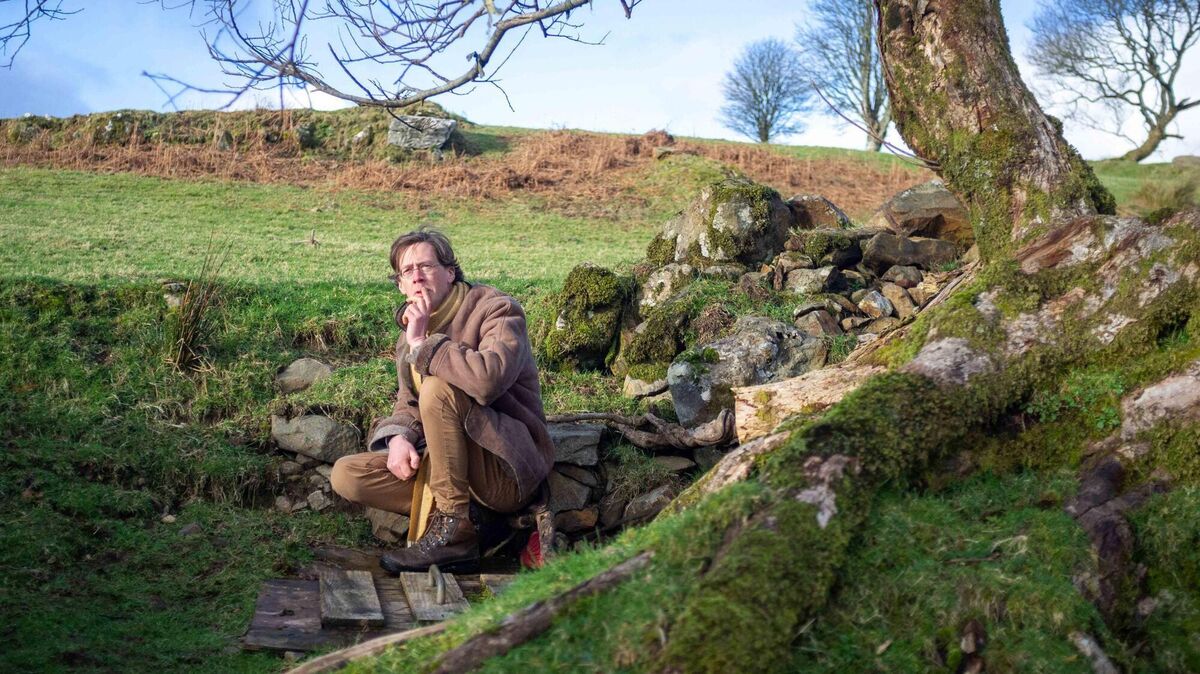
The tumbledown state of Lady’s Well is in contrast to one of the take-aways from the documentary series – that Ireland’s holy wells tend to be quiet, scenic places of refuge, often embedded in nature, offering escape and peace and calm.
“What my favourite holy wells – including Wether’s Well outside Tralee, which is tucked away in a little corner and is beautifully maintained; and St Brigid’s Well in Faughart, outside Dundalk, Co Louth – all have in common is they feel like sanctuary spaces,” says Magan. “They feel like rest places away from the mad world.”
- The first episode of Ag Triall ar an Tobar will be broadcast on TG4, 8pm, Thursday, March 14
I’m loving Cormac Begley’s last two albums – B, and his self-titled album, Cormac Begley. I find there’s a timeless as well as an utter modernity to what he can do from the squeezebox that excites me.
Foraging has become popular, but some of it is often like eating old sticks and mud – it’s not very pleasant. There’s a new cookery book by this American woman, Tara Lanich-LaBrie, called Foraged & Grown: Healing, Magical Recipes for Every Season. She spends a lot of time in Ireland. She makes foraged foods so gorgeous, doing things like getting nettles, drying them and making this super vivid, green powder or getting delicious tastes from rosehips and Hawthorns.
A play I’m excited to see is The Hare, written by Clare Monnelly and directed by Bob Kelly. It’s touring Ireland at the moment. Steve Wickham is playing live music on stage for it. I. saw her previous show last year, which was an extraordinary, immersive piece, so I’m looking forward to catching The Hare.
A movie I adored was Poor Things. It’s by the Greek director, Yorgos Lanthimos, who directed The Lobster. It's this weird, feminist fable. It's surreal like his other movies, but there’s a Victorian element to it as well.