The books of 2023: Soldier Sailor gets top marks but countless others to enjoy

'Irish Examiner' books editor Michael Moynihan selects his books of the year from a double dose of real-life crime to a Burton-Taylor bodice-ripper
Zeke Faux’s ‘Number Go Up: Inside Crypto’s Wild Rise and Staggering Fall’ is a rollicking account of the cryptocurrency scam.

Zeke Faux’s ‘Number Go Up: Inside Crypto’s Wild Rise and Staggering Fall’ is a rollicking account of the cryptocurrency scam.

A good year or a great year for books, to use an old Eamon Dunphy line?

The answer is that it’s always a great year for books because no matter how niche your tastes there will be something published somewhere that you will enjoy. Believe it.

For this reader’s book of the year there are a few to consider, all of which not only exist as great reads in their own right but also offer a perspective on other books and associated writerly phenomena.

Take Claire Kilroy’s terrific Soldier Sailor , which was one of the best novels of the year by some distance — not just for this reader, but for a couple of our regular reviewers.

The fact that it didn’t give you backache to lift it was a recommendation — brevity is always commendable — but not as much as the sharp identification of the dread which can accompany parenthood as well as the joys.

It was very surprising that this book didn’t figure on the Booker Prize shortlist, but in the end that privilege was one enjoyed by Pauls Lynch and Murray, with the former ( Prophet Song) winning rather than the latter ( The Bee Sting): two terrific if very different novels.

What was remarkable was the mean-spirited reaction to Lynch’s victory from a few people who should have known better. 

Though it could also be said that their reaction to the win did us all a favour by revealing their true colours.

In non-fiction, there were a few strong contenders, but the prize from this desk goes to A Thread of Violence by Mark O’Connell, a stunning study of the Malcolm Macarthur/GUBU case of 40 years ago. 
A pal made a very valid point to me when noting O’Connell’s own tangential connection to the case — relatives of the writer lived in the apartment complex where Macarthur was eventually found — and pointing out that Ireland is so small that a similar connection or link could be found my many people if they looked hard enough.

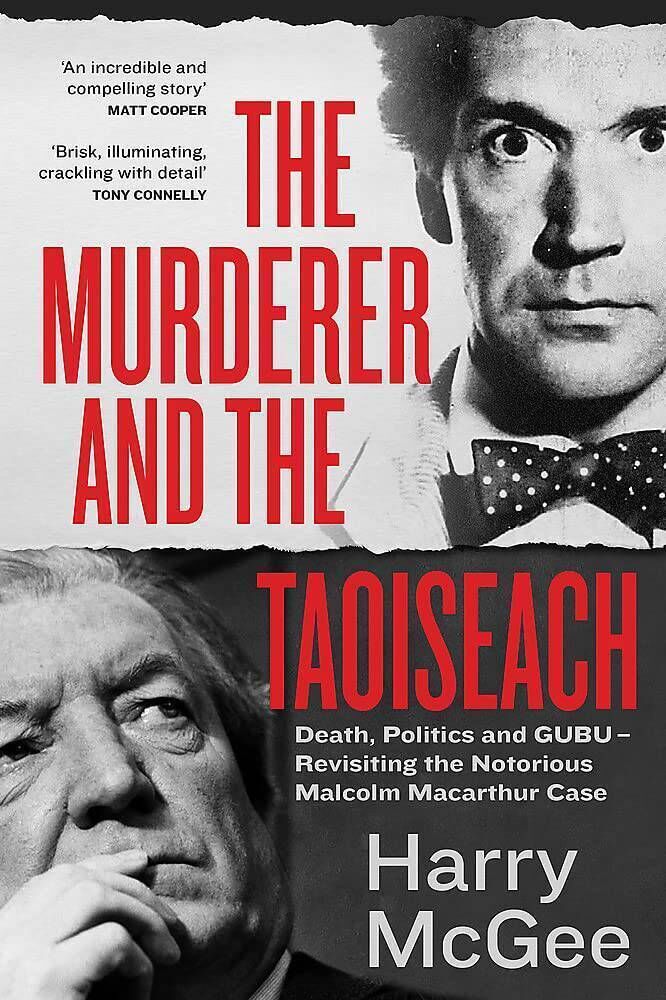
A note here too for Harry McGee’s The Murderer and the Taoiseach: Death, Politics and GUBU — revisiting the notorious Malcolm Macarthur Case, which was also published this year, and is a fine account of a scarcely believable period. 

I felt an immediate sympathy with McGee, as the uniquely piercing sense of despair that strikes when you’re told someone is publishing a book on the same topic as the one you’re slaving over is not an enjoyable sensation.

Elsewhere, it was a year of underwhelming deliveries from a couple of the big beasts of the non-fiction world. Walter Isaacson’s biography of Elon Musk and Michael Lewis’s account of Sam Bankman-Fried, Going Infinite , were disappointing in different ways: Isaacson’s lumbering story of the Twitter/X proprietor needed to be clarified almost as soon as it hit the bookshelves, which is never encouraging.

Lewis wrote a better book but seemed a little generous when it came to the crimes of his subject; with Bankman-Fried being found guilty on charges of fraud that softly-softly approach looked all the more pronounced.

It might seem odd to focus on these negatives, but I have a reason — the Lewis book in particular was left in the vapour trail of a terrific book, Number Go Up: Inside Crypto’s Wild Rise and Staggering Fall , by the magnificently-named Zeke Faux (pronounced Fox), a rollicking account of the cryptocurrency scam.

Faux hits the right notes of incredulity and humour in his work, which features his own interaction with some of the main players at what sounded like a few fun parties. 

The fact that Faux was on the receiving end of one or two waspish asides from Lewis probably tells you all you need to know about the relative merits of their work.

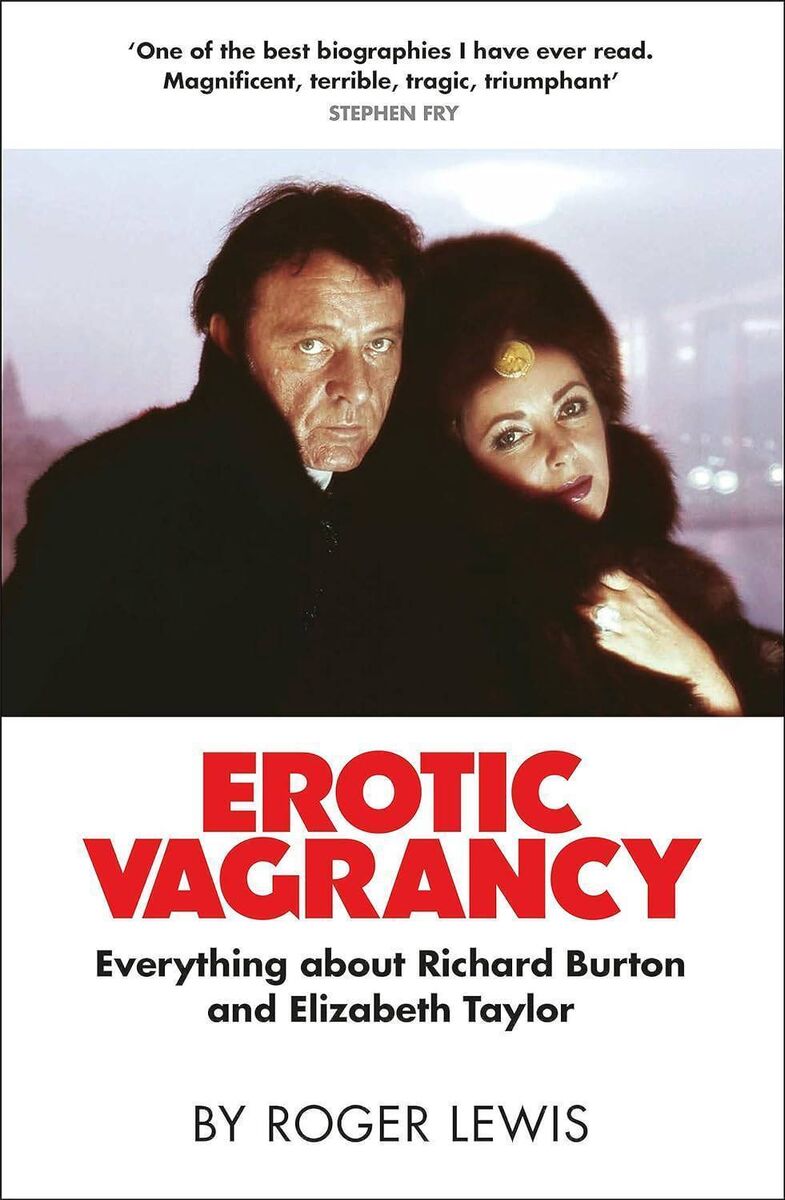
Another entertaining non-fiction read this year was Erotic Vagrancy: Everything About Richard Burton and Elizabeth Taylor by Roger Lewis, a book which took the author 13 years to write which will probably take you 13 hours to get through.

That’s because it’s hard to recall a more deliciously enjoyable read: the vulgarity is the point, and the point is made over and over again. When Lewis (no relation to Michael, which is unfortunate, as it would have made Going Infinite a lot better) says ‘everything’ then he means it. 

I learned a lot more — how to put this delicately — about Burton and Taylor’s specific predilections than I really needed to, but I can’t say it wasn’t fun.

The darker side of their relationship is aired in full as well, but the sense of enjoyment lays across it all like a mink stole, albeit one stained by a few of Liz’s incontinent dogs.

For the crime and punishment aficionados there was no shortage of quality: Catherine Ryan Howard delivered another classic in The Trap , Catherine Kirwan revisited UCC in A Lesson In Malice , and Colson Whithead served up a real treat in Crook Manifesto , the book that Harlem Shuffle should have been, really.

A surprise discovery this year along these lines was Michael Gilbert’s Calder and Behrens series. The original of the species, Game Without Rules , was published in 1967 but was reissued earlier this year in a natty white and green cover. 

It features the two British spies named above plus the key member of the team, Calder’s magnificent Persian deerhound Rasselas, who takes almost a full part in their cases.
The upshot of this discovery was an urge to read more of their adventures, which were written from the '50s through to the '70s, and a growing interest in reading more of Gilbert’s work in other areas. 

A solicitor, he wrote for an hour every morning on his train commute to a legal firm in the middle of London and published dozens of stories in the espionage and thriller vein.

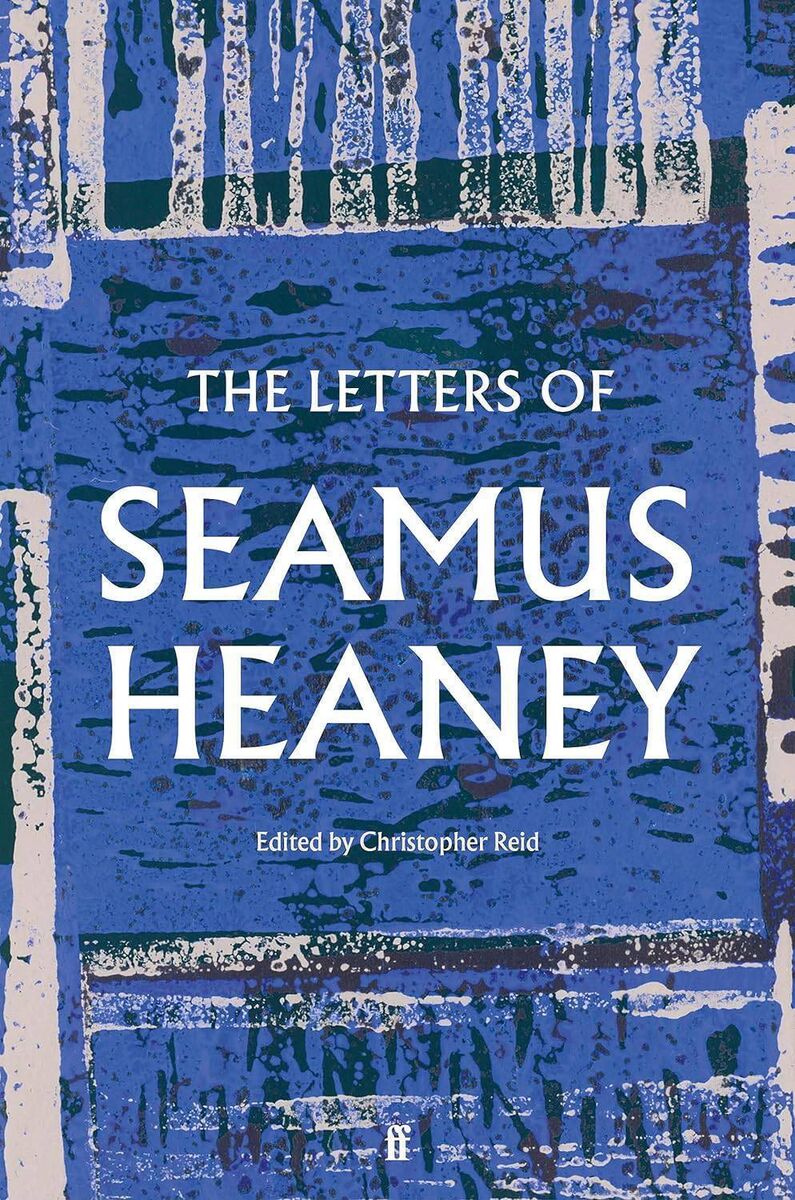
A less murderous offering this year was The Letters of Seamus Heaney , edited superbly by Christopher Reid.

A quick flick through shows that Heaney was simply incapable of a bum note, pun intended. 

Quite a few of the letters begin with Heaney apologising for being so late in writing or responding, yet by the time the sign-off comes you feel that if the letter had landed on your doormat it would have been framed and hung prominently in the hallway long ago.

This is a sizeable production, with over 800 pages of Heaney’s letters, and Reid states plainly that he had to leave a good deal on the cutting room floor to produce the volume he did. But as a treasure trove to dip in and out of it’s hard to beat.

In conclusion, I wrote — or co-wrote — a book myself as well this year, but I won’t outstay my welcome here by nudging readers towards it. If you know, you know.

Here’s to 2024, and another great year of reading.

More in this section

Scene & Heard

Newsletter

From music and film to books and visual art, explore the best of culture in Munster and beyond. Selected by our Arts Editor and delivered weekly.

Cookie Policy Privacy Policy Brand Safety FAQ Help Contact Us Terms and Conditions

© Examiner Echo Group Limited