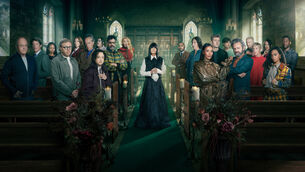
Book review: Much-needed study on the life of our greatest poet a tour de force
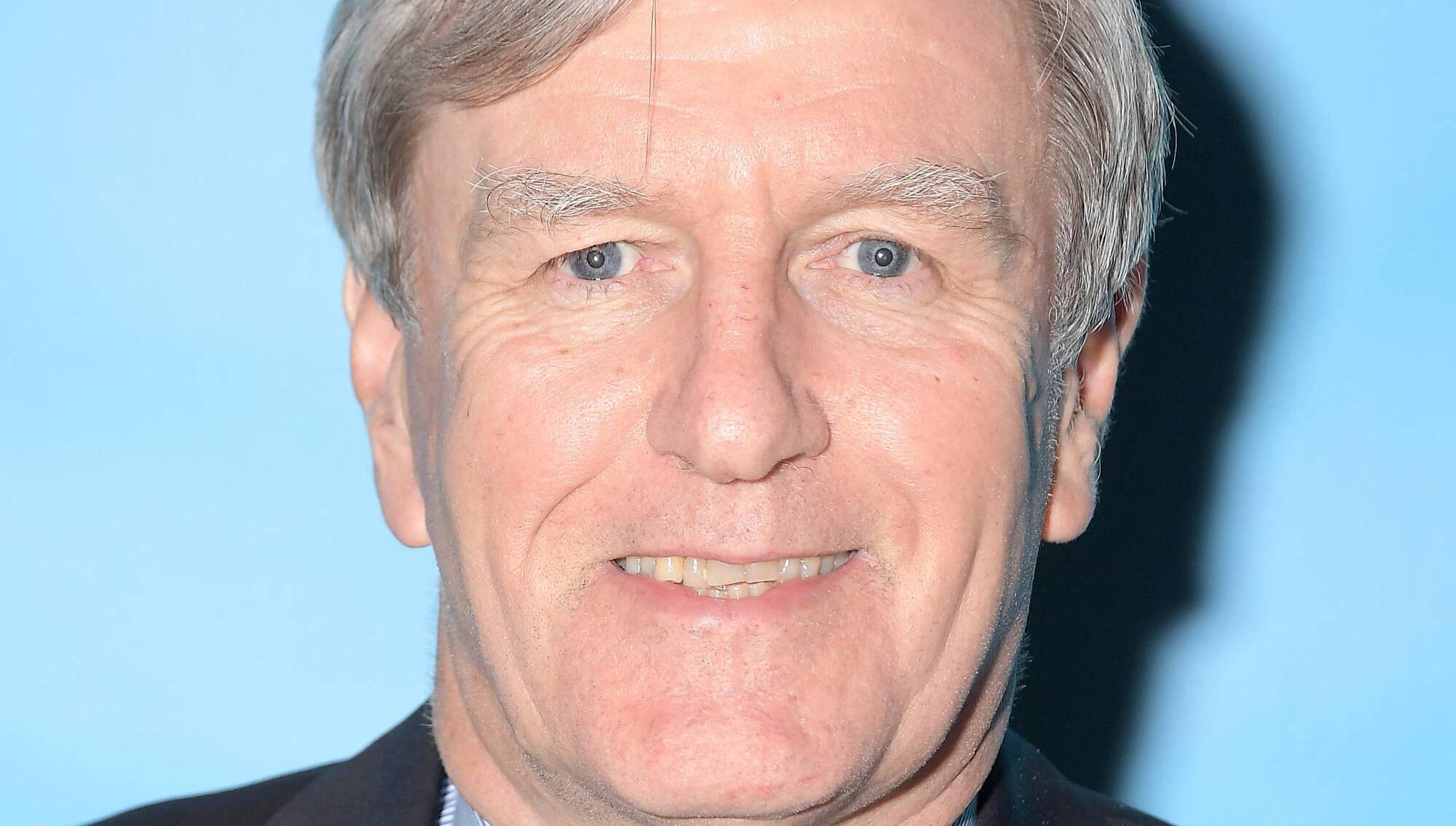
When he retired from the Foreign Service Daniel Mulhall decided to write an accessible account of the WB Yeats’s life. Picture: Getty Images
- Pilgrim Soul: W.B. Yeats and the Ireland of His Time
- Daniel Mulhall
- New Island €17.95
The public howler committed recently by the Dublin Marathon people, who assumed the cheesy slogan ‘there are no strangers here, only friends you haven’t met,’ was written by the great poet only emphasizes the need for an accessible account of WB Yeats’s life and work.
In his 44-year career in the Department of Foreign Affairs Daniel Mulhall was often asked to recommend an accessible account of the poet Yeats’s life, but, as he diplomatically puts it, he “struggled to come up with an answer”.
RF Foster’s massive two-volume biography is excellent, but too weighty for the casual reader, and there really is little else.
So as soon as he retired from Mr Mulhall decided to write the book himself, and here it is, marking the centenary of Yeats’s award of the Nobel Prize for Literature in November, 1923.
Mr Mulhall is the author of an acclaimed guide to James Joyce’s masterpiece, , so he has form. The writing of his Yeats book was facilitated by teaching posts last year at New York University’s Ireland House and Magdalene College Cambridge, so there are no excuses for skimping on the research.
He is also the honorary president of the Sligo-based Yeats Society which celebrates the poet’s local connections, a serious commitment and a much-needed boost for this excellent institution which receives no State-funding for its core activities and had to crowd-fund to raise €100,000 to keep going after the pandemic.
So expectations were running high for . It is a triumph and should endure for many years.
It is the product of much thought and is based on a deep knowledge of the poetry and the years that produced it, concentrating on the huge changes that Irish society underwent in the poet’s lifetime — from his birth in 1865 to his death in 1939.
If it has a fault, it lies in its slow start, 37 pages of explanation and context before the birth of the poet in Sandymount, ‘on the southern shores of Dublin Bay’, launches the main story.
Mr Mulhall is unusually familiar with the background because during his diplomatic career he often used Yeats’s life story to illuminate Ireland’s struggle for freedom in the opening decades of the 20th century.
He argues that a writer of Yeats’s calibre helped to establish the Irish ‘brand’ in the eyes of world, and he has often lectured about his work while promoting Ireland abroad.
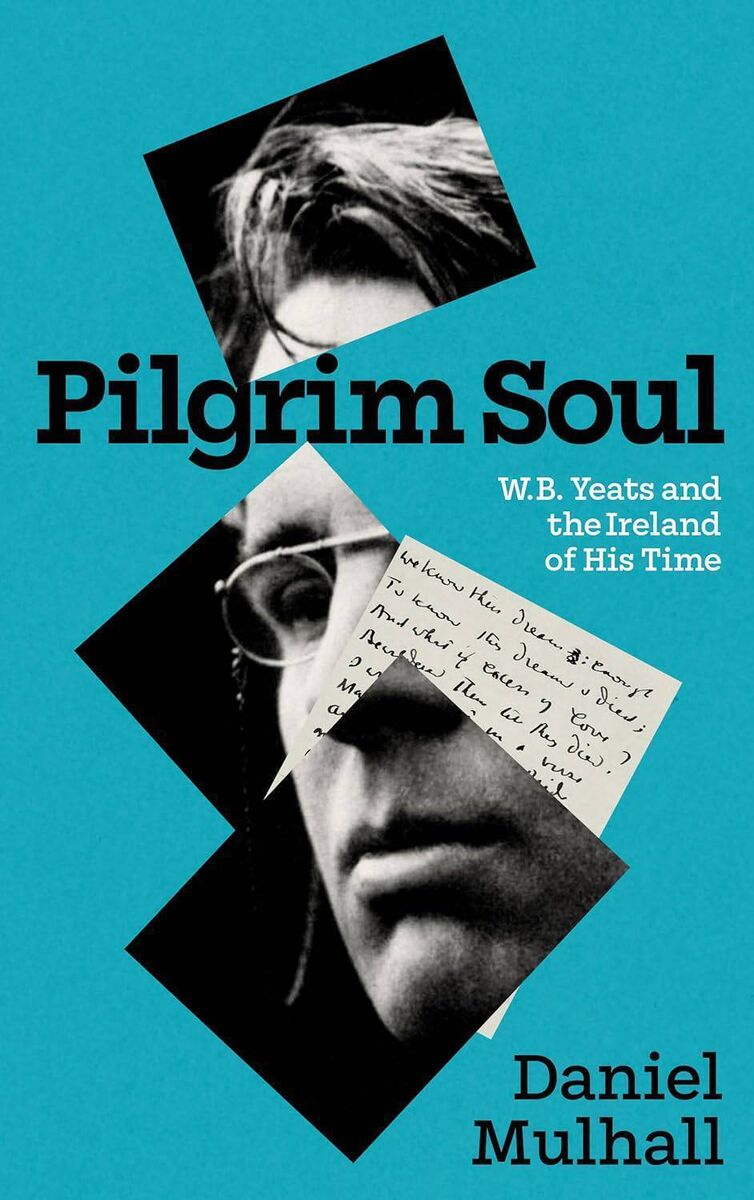
In Yeats, he had an example of the Anglo-Irish tradition, the Celtic Revival and the formation of the Free State and its institutions, in just one person.
Mr Mulhall suggests it is no coincidence that both Joyce and Yeats were both publishing their major revolutionary works of literature between 1914 and 1921, during the Irish struggle for independence.
Each chapter opens with a poem by Yeats, and those familiar with his work largely from school will discover the more challenging later poems — ‘The Circus Animals’ Desertion’, for example and ‘Under Ben Bulben’.
While Mr Mulhall does not shirk from the less attractive side of Yeats — his dislike of Catholics, his many extra-marital affairs, his admiration for Mussolini — he is also quite clear about the poet’s greatness.
He believes there is a core of truth in Oliver St John Gogarty’s comment that ‘If it had not been for Yeats there would be no Irish Free State’.