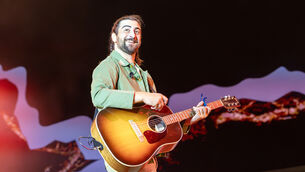
Ireland in 50 Albums, No 22: Delia Murphy, The Queen of Connemara
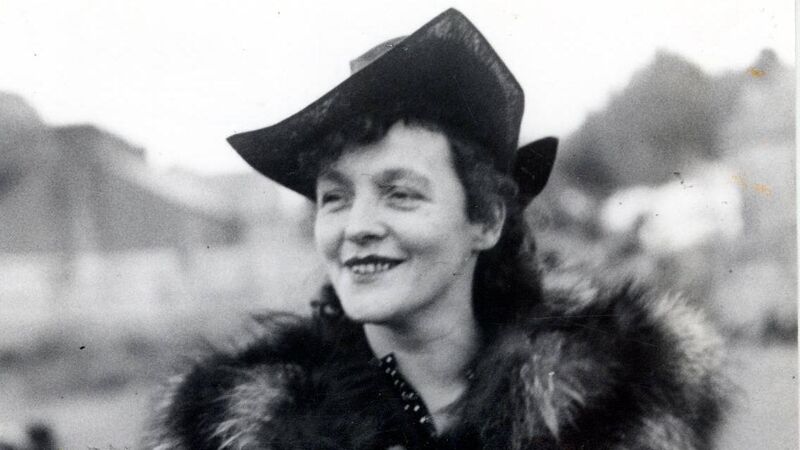
Delia Murphy, singer.
The wife of the Irish ambassador to Washington was, in 1961, a powerful representative in her own right of an Ireland cherished in the hearts of the diaspora.
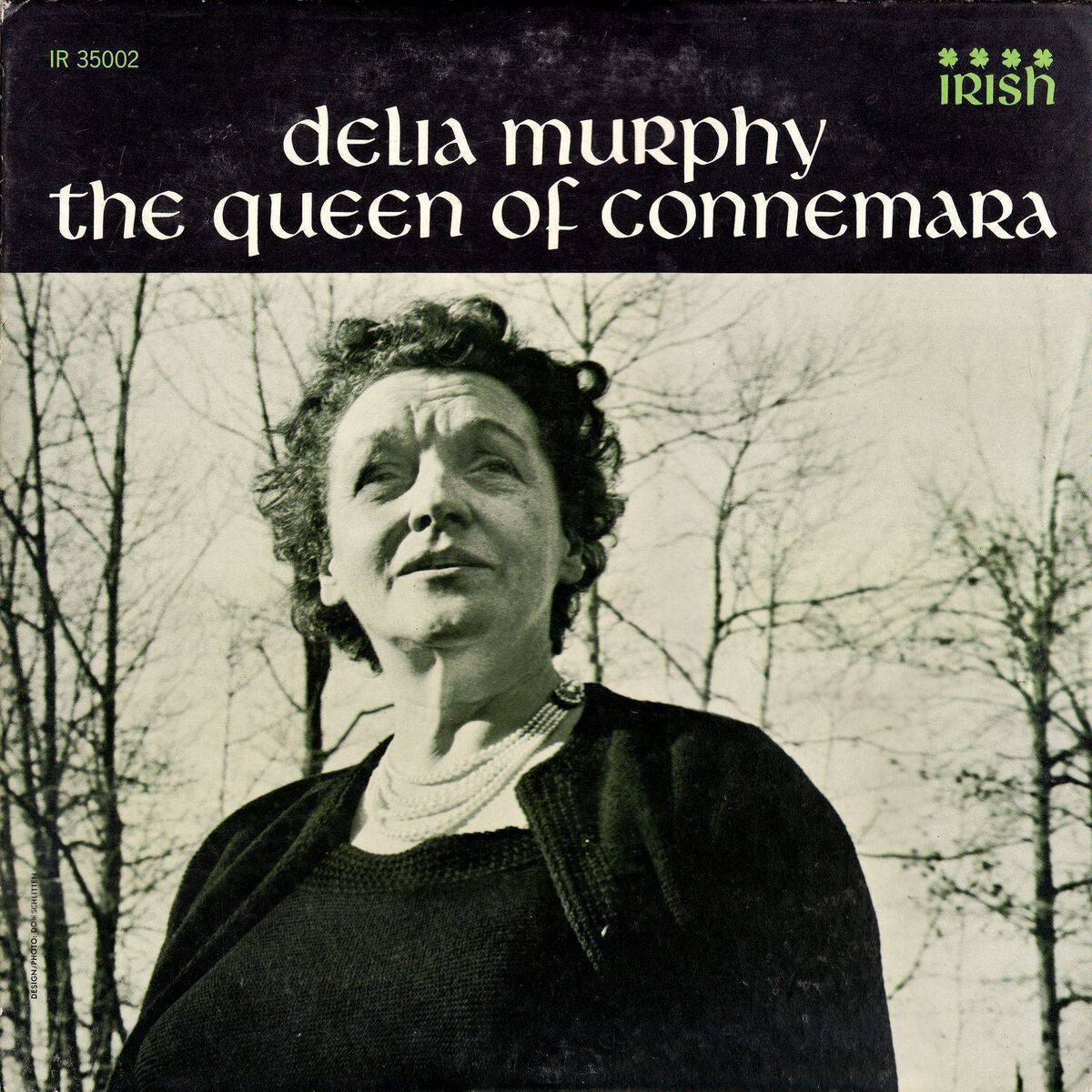
Delia Murphy’s rendition of Irish folk songs and ballads on the only album she ever recorded was “redolent of peat-fire smoke”, musician and song collector Arthur Argo noted in his sleeve notes to The Queen of Connemara. The record, released 10 years before Murphy’s death, was produced across the Atlantic, thousands of miles from Connemara, while she was based in Ontario, and her husband TJ Kiernan served as ambassador during the Kennedy and Johnson administrations.
The album, titled after a song written by Kinvara’s Francis Fahy in praise of a Galway fishing boat, contains tracks to stir the emotions of the Irish emigrant, including ‘My Three-Leaved Shamrock’ and Charles Kickham’s ‘Slievenamon’.
Though the lustiness of numbers such as ‘The Holy Ground’ and ‘The Irish Rover’ may to some have seemed out of kilter with her role as a diplomat’s wife, Murphy charmed all and sundry with her songs, brushing shoulders with the politically influential and everyone from cardinals to German warlords as Thomas Kiernan was posted to London, Rome, Germany, Australia, then Canada.
“She was seen by the Irish diaspora as something reassuring and representing old Ireland, whereas in Ireland she wasn’t seen as that at all,” says her grandson Ronan Browne, musician, composer, and original Riverdance piper. “For the people around the world she brought back memories of Ireland and for the people in Ireland she gave hope for a fabulous modern future.
“She was in a very powerful, glitzy world, married to a diplomat, and meeting people that the ordinary Irish people could never dream of meeting, so she was these two completely opposing things at the same time.”
If Murphy’s life abroad was not always glitzy, it was rarely dull, and famously included helping Vatican official Monsignor Hugh O’Flaherty save the lives of Allied soldiers and Jews during Germany’s Second World War occupation of Rome.
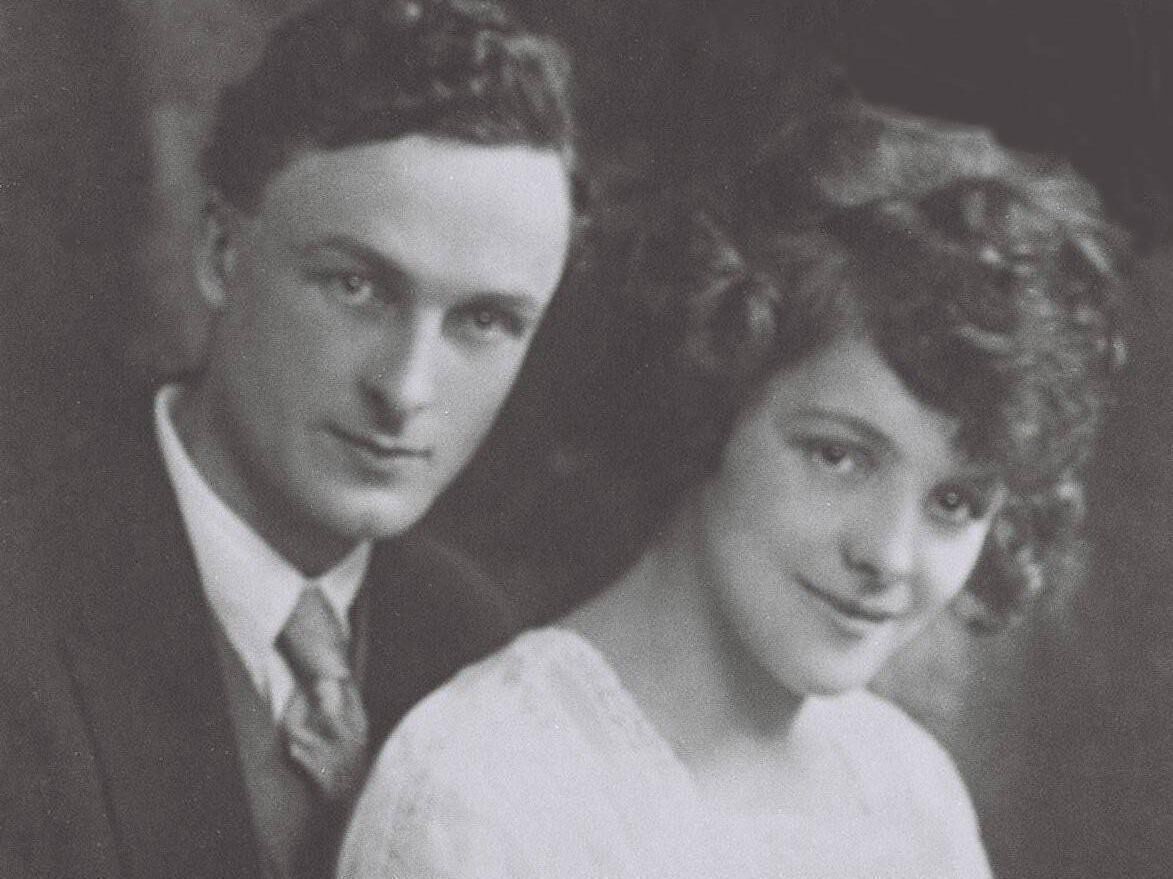
Though her husband’s diplomatic role provided her with receptive audiences, its demands may have prevented her singing career from taking full flight.
“Poor Delia had a terrible juggling act, where she had her diplomatic duties and she also wanted to perform,” says Browne. “That conflict was always there and being Delia Murphy the singer took second place to being Mrs TJ Kiernan.”
By 1961 “she was getting older; she must have known this was her last stab at it”.
The Queen of Connemara was indeed to be Murphy’s last record, following her string of earlier hits including ‘If I were a Blackbird’, ‘Three Lovely Lassies’, ‘The Spinning Wheel’, and ‘The Moonshiner’, initially on 78s, in the 1930s, ’40s, and early ’50s.
An American release on the Prestige Irish label under which Margaret Barry also sang, The Queen of Connemara was produced by folklorist Kenneth S Goldstein, two years after he recorded the debut album by the Clancy Brothers and Tommy Makem.
Arranger Walter Raim was “amazed when they went into the studio how certain Delia was about exactly what she wanted done with each song”, says Browne. “She recorded the songs solo and sent them to him and he then did the arrangements but she directed them.
“It is an absolutely wonderful record and her voice has aged in a beautiful way.”
Browne admits the album’s title was a bit of a misnomer and led to some confusion when the title Queen of Connemara became attached to Murphy, who grew up in Hollymount, Co Mayo, on the estate purchased by her father John after making his fortune in the Leadville and Klondike silver and gold rushes.
“She’s the queen of Mayo,” Browne says, though “she had lots of connections to Connemara and she used to go to the Aran Islands a lot. In fact she sent my mother [Orla], my two aunts, and my uncle from London to Inis Mór when they were only kids and my mother was a baby.
“They set up their house [in Dublin] and then they sent for the children, so they were there for maybe two or three years.” The family’s move to the capital came as Kiernan was appointed in 1935 as director of broadcasting with Radio Éireann, on which Murphy became a regular singer.
Though tenor John McCormack and Mayo opera singer Margaret Burke Sheridan were among her friends, Murphy had no vocal training beyond college choir days and attributed ‘tinkers’, farmers, and blacksmiths among her song sources.
“She would have listened to older people and copied them and that is a far superior voice training than going to a conservatoire and being told how to ‘wobble’ your voice,” says Browne. “One of the big things that people spoke about was that she was the first artist to sing using her own accent. She sang the way the people would sing.”
Presenter and GAA director-general Seán Ó Síocháin, with whom Murphy regularly performed concerts, described her delivery as “very genuine”. “She was one of our own who wasn’t cramped by convention. The themes of her songs struck a chord with the people.”
Her grandson, who keeps in his piping repertoire the airs of two tracks which haunt him from The Queen of Connemara, ‘Mary of the Wild Moor’ and ‘Cold Blows the Wind’, says Murphy’s honest delivery of the songs of the people “blew everyone’s mind and allowed us to not be so embarrassed about being ourselves”.
Delia Murphy died of a heart attack in 1971, aged 68, leaving a legacy of more than 70 recordings including ‘Coortin’ in the Kitchen’, ‘Thank you Ma’am, says Dan’, and ‘The Boston Burglar’.
Her grandson Ronan Browne, who re-released 21 of her early recordings on a 2013 CD If I Were a Blackbird, says there remains great interest in her work, even if he did not fully appreciate her singing himself in early youth. “I was mad into what people now call sean-nós singing and I know I felt that Delia was a little bit more folky and popular and I wasn’t really terribly impressed,” he admits. “While I was there being a little bit snooty about her in my own mind, old musicians who are all dead now would say to me ‘aren’t you Delia Murphy’s grandson? This is amazing, you know she affected us all so much’.”
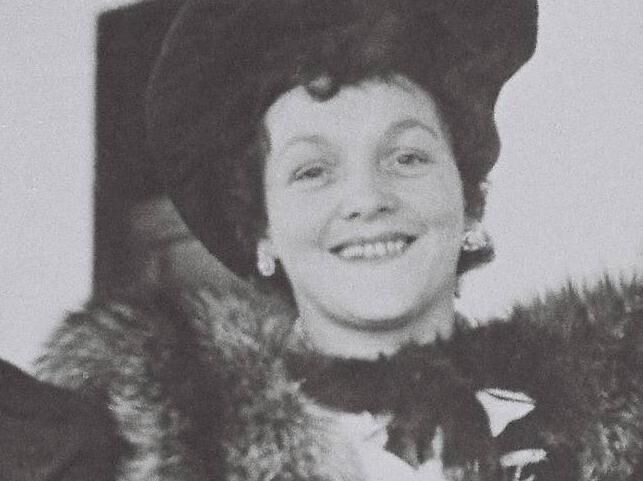
As he started listening to his grandmother “properly”, Browne realised how incredible she really was. Recently, during covid lockdown, CD sales reignited and with orders came poignant letters from fans. “A lot of them were in nursing homes and had met her when they were young, and people who didn’t ever meet her, but she was the soundtrack to their lives. Fifty years after she died, emotionally she got me through the pandemic,” says Browne, who in the years ahead plans to re-release Murphy’s unavailable later recordings, including The Queen of Connemara.