Book Review: Sonic Youth's Thurston Moore tells all the stories - for the record
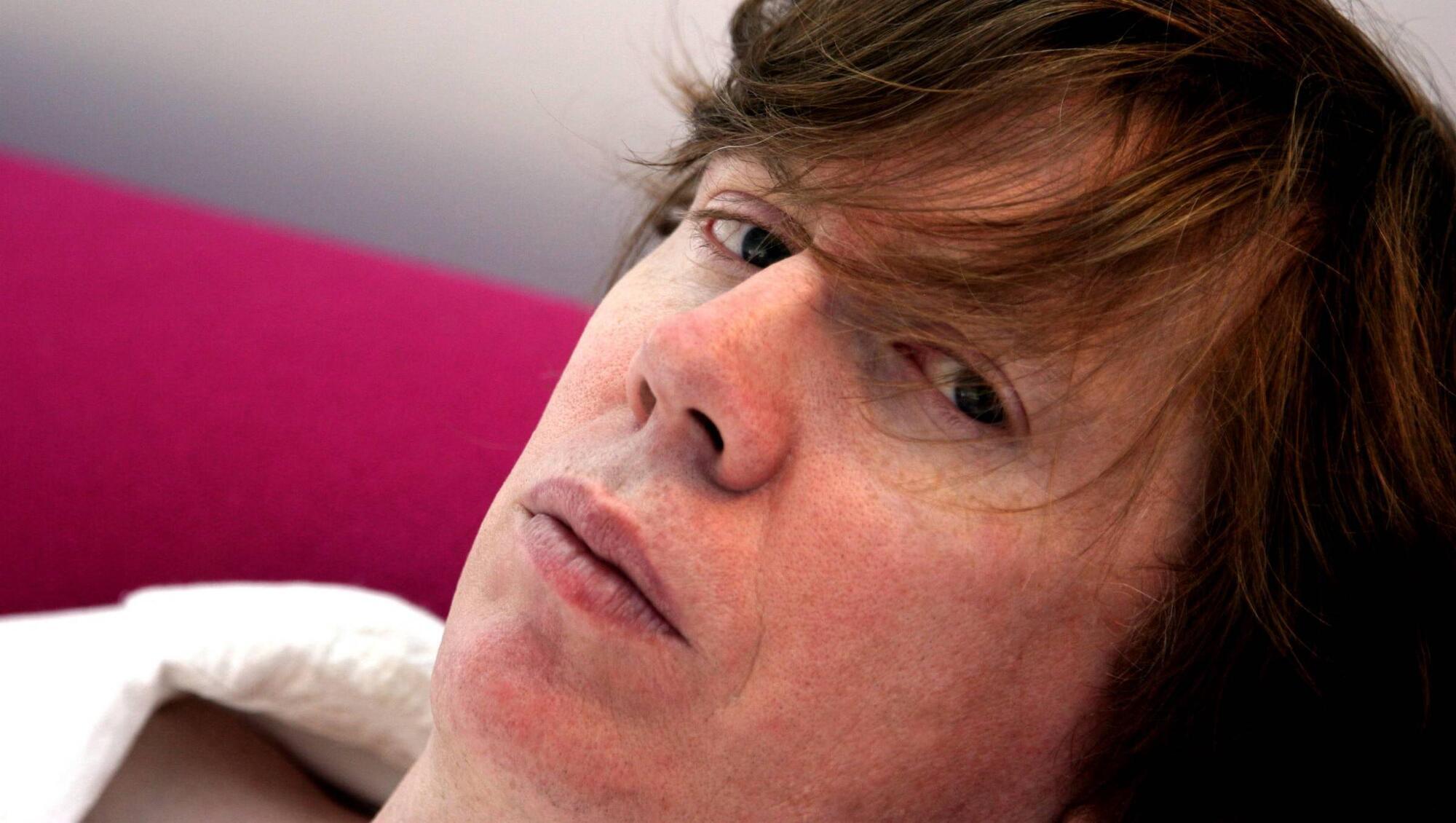
Thurston Moore, formerly of Sonic Youth.
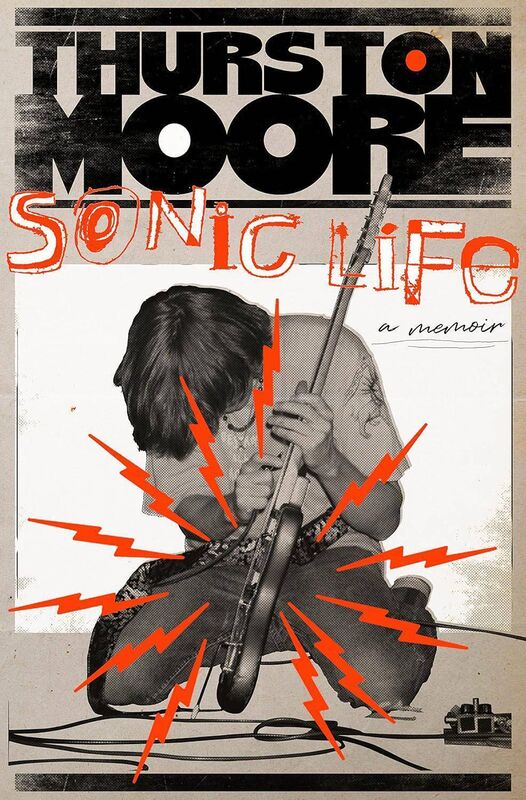
- Sonic Life
- Thurston Moore
- Faber Hb £20, ebook £9.99
On reading most music books, the tendency is to have the given act’s albums as the soundtrack.
With Sonic Life, a memoir by Sonic Youth founding member Thurston Moore, however, the song that comes to mind is LCD Soundsystem’s ironic, early-00s indie-disco anthem ‘Losing My Edge’, in which James Murphy sings “I was there in 1968, I was there at the first Can show in Cologne… I was there in 1974 at the first Suicide practices in a loft in New York City… I was the first guy playing Daft Punk to the rock kids. I played it at CBGB’s.”
Because it sounds like Moore WAS there for all the seminal shows and acts of 1970s New York. He was there for Sid Vicious’ NYC debut at Max’s Kansas City: “This was waaay better than any old Sex Pistols gig would have been.”
He was there for Patti Smith and Bruce Springsteen’s performance of their collaboration, ‘Because the Night’ at CBGB’s Second Avenue Theatre: “A slew of New York City rockers, from David Johansen to Richard Hell to Ross ‘the Boss’ Friedman from the Dictators, hit the stage for a sing-along.”
And indeed, Moore was there for Suicide in 1974: “Whatever it was that we had experienced, one thing was certain. We needed to return.”
This continues throughout the 450-plus pages of Moore’s memoir, charting his teen music obsessiveness in small-town Connecticut to coming wide-eyed to NYC to founding one of the seminal bands of the last 40 years.
He’s almost at pains to present his bona fides for discovering new music, never letting the fire go out. It gets tiresome, but the NYC scene in the mid to late 1970s is surely the most thrilling era to have experienced; we’ll lap up any and all memories of it.
But both that and Sonic Youth have been well covered over the years: Lee Ranaldo’s journals from the 1980s were released about 20 years ago; Sonic Youth featured in Michael Azerrad’s seminal ; and Moore’s ex-wife and Youth bassist Kim Gordon released her own memoir, , in 2015. That book explored Gordon’s relationship with Moore in unflinching, sometimes painful details. “Knowing what I know now it’s hard to write about a love story with a broken heart,” she writes.
isn’t a retort. Moore’s affair with Eva Prinz is left to the final couple of pages. He says he fell in love with her in 2010, while “the difficulty of our being together was unfathomable”.
He writes: “The circumstances that led me to a place where I would even consider such an extreme and difficult decision — to leave my marriage to Kim, my partner and bandmate of almost 30 years, the mother of our child, the adored aunt to my nieces and nephews — are intensely personal, and I would never capitalise on them publicly, here or anywhere. I will simply say, with a clarity of heart, that Eva appeared to me as a vision I had once only dreamed of — she came into my life as a wish come true.”
focuses, for the most part, on the music, Moore’s knowledge of gigs played or watched one of almost total recall.
Sonic Youth fans will revel in his first mentions of Gordon and Ranaldo, their searches for a drummer, the creative process, and his run-ins with musical luminaries from the Ramones to Tom Verlaine of Television.
Of course, Nirvana makes an appearance too — as does Courtney Love. Moore recalls Dave Grohl’s first public appearance after the death of Kurt Cobain, a performance at the MTV Movie Awards in June, playing together in ‘the Backbeat Band’ with luminaries such as REM’s Mike Mills and Afghan Whigs’ Greg Dulli.
During the practices beforehand, Love appears and “we went into another studio and sat down. She wrapped her arms around me and wept. ‘He loved me, he actually really loved me,’ she said, the words wrenching from inside her. ‘No one had ever loved me before like that.’”
Like Sonic Youth, such moments of tenderness can be found amid the noise.