Book Review: A unique history sheds light on the life of Dublin's Phoenix Park
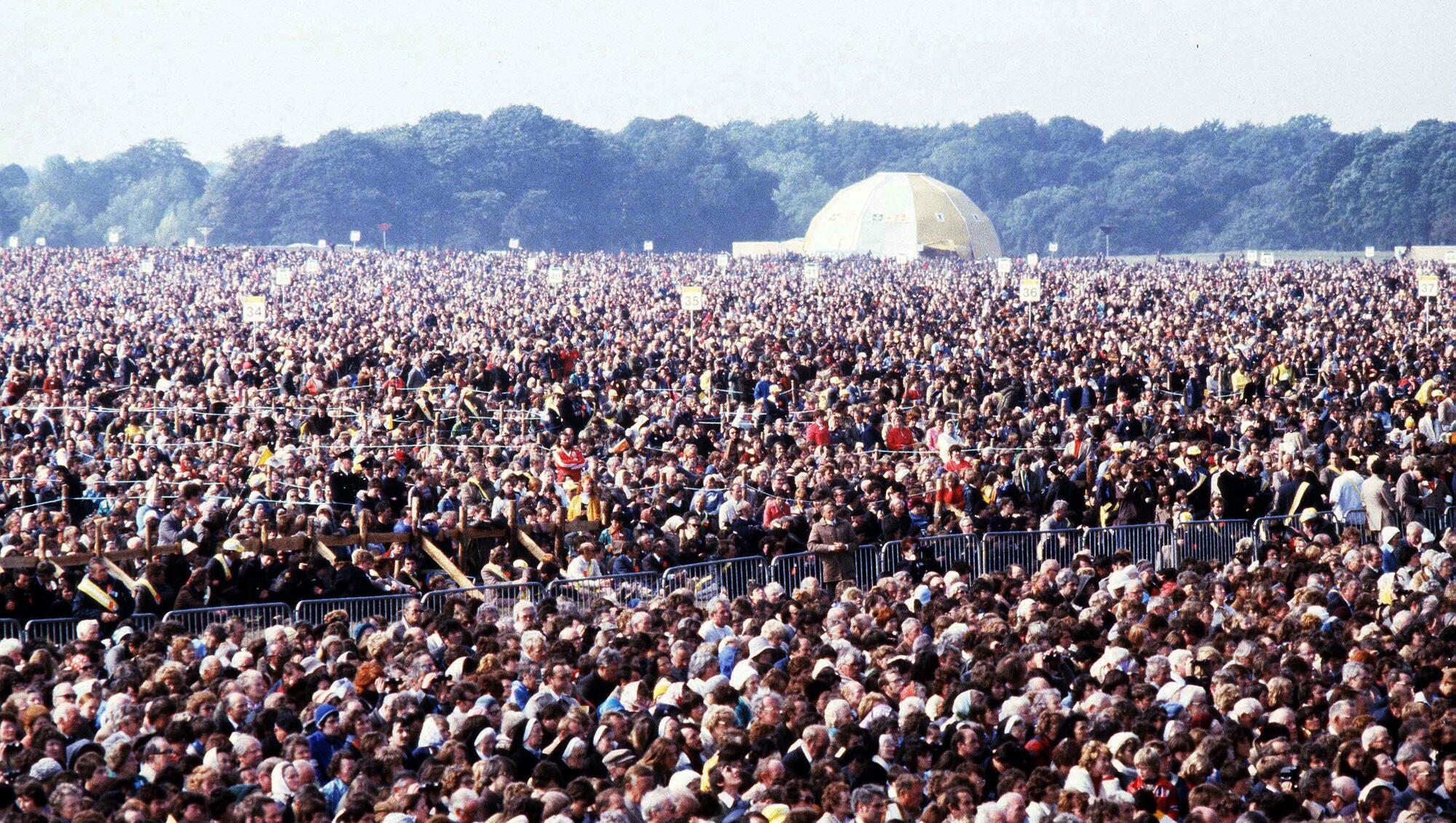
The crowd at Dublin's Phoenix Park for Pope John Paul II's 1979 visit. Pic: Maxpix.
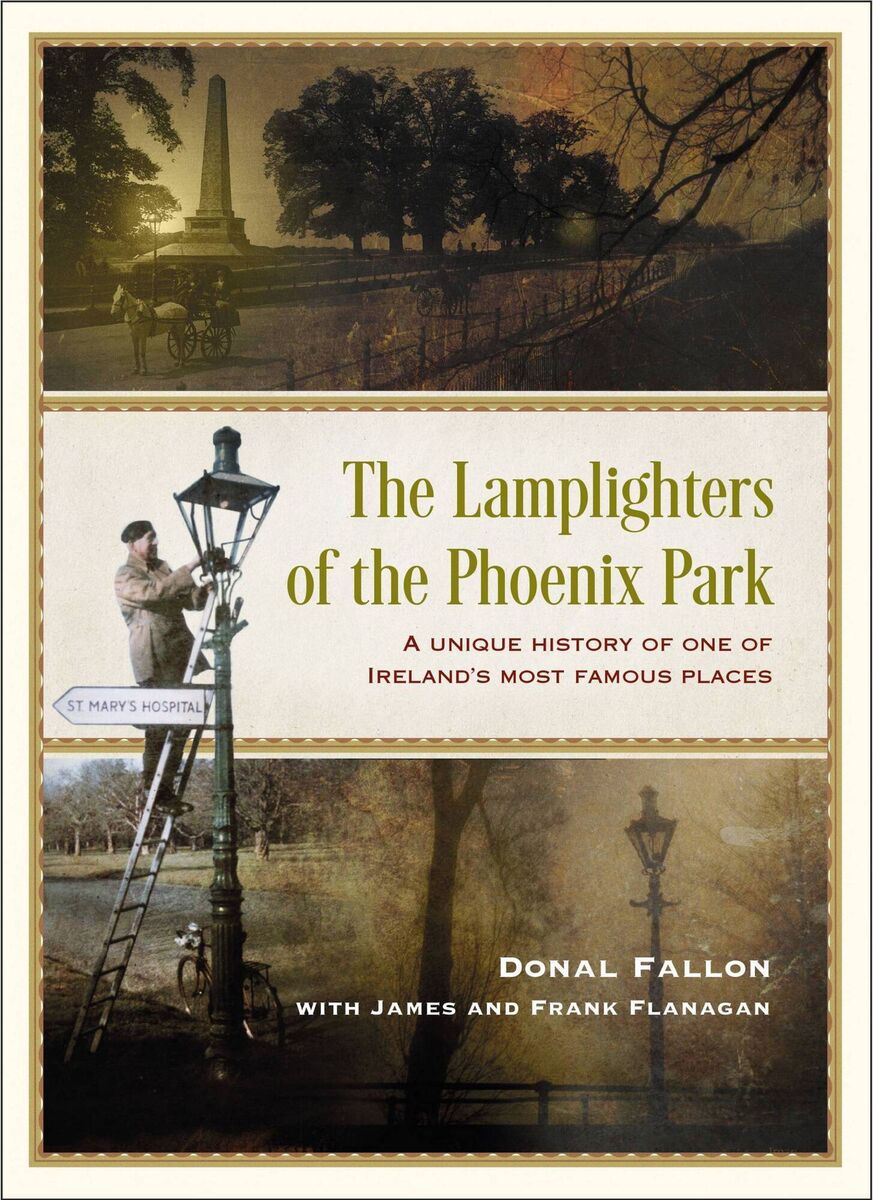
- The Lamplighters of the Phoenix Park: A Unique History of One of Ireland’s Most Famous Places
- Donal Fallon with James and Frank Flanagan
- Hachette Books Ireland, €25.00
Dublin’s wonderful Phoenix Park is a kind of a Rosetta stone, a document that explains our ever-changing history, beliefs, and ambitions in one way after another.
Established in 1745, it remains at 1,750 acres Europe’s largest suburban park open to the public.
That's ten times the size of Cork’s Fitzgerald’s Park.
Its genesis was as a royal deer park established in 1662 by James Butler, Duke of Ormond.
It was, almost a century later in 1745, opened to the public by Philip Stormer Stanhope, 4th Earl of Chesterfield, a gesture remembered through one of the park’s main thoroughfares, Chesterfield Avenue.
Even though the California Forever project, one supported by the billionaire brothers Patrick and John Collison, has the grand ambition to build a new American city it is unimaginable that such a generous sweep of land would be set aside for public use from the 50,000 acres the group has already bought in the Sonora Valley.
Land, and what it can produce, has simply become too precious.
Though the Phoenix Park’s story sweeps across more than three centuries three relatively recent events held in the park show how dramatically and unambiguously this society has evolved.
In 1932, Dublin hosted a Eucharistic Congress, one of the great, popular festivals of this then-nascent state.
It is estimated that more than a fifth of the population attended a mass in the park where the papal knight John McCormack sang.
Less than 50 years later, when Pope John Paul II celebrated a mass there more than a million people attended.
When his successor Pope Francis offered mass there five years ago official figures show that fewer than 152,000 souls attended.
This shows that, just as the power of the polity that established the park was unsustainable in the face of relentless demands for Irish self-government, so too was the grip exerted by the force that for so long and often successfully sought to fill the power vacuum left by Britain’s withdrawal from most of this island.
This beautifully produced book tells the story of the park through the eyes of James and Frank Flanagan, the last in a line of Dubliners to work, at dawn and dusk, on turning on and off the park’s gaslights.
Their story could easily have fallen into the maudlin sentimentality that afflicts so much local history writing but it does not and celebrates the park’s heritage and the legacy of those who worked in it in an admirable, honourable way.
Dublin in the rare ‘oul times it is not. Just as it is hard for us to appreciate the impact urban gas lights had on our ancestors whose lives were largely constrained once darkness fell it is hard, as more and more of us work in one version of the gig economy or another, to see the pride and loyalty the Flanagan’s had in their work in today’s work culture.
This book is ostensibly about a single aspect of Europe’s greatest urban public park but like all good histories it tells a far wider, far more valuable and relevant story.