Culture That Made Me: Baz Ashmawy on the Fresh Prince, Pulp Fiction, and Hemingway

Baz Ashmawy presents The Money List on RTÉ One. Picture: Andres Poveda
Baz Ashmawy, 48, was born in Libya. He moved to Ireland aged eight, growing up in Churchtown, Dublin.
For several years, he co-presented a popular travel show on RTÉ television entitled How Low Can You Go?
In 2015, his TV show 50 Ways to Kill Your Mammy won an Emmy Award. A black comedy he scripted called Faithless will be released on Virgin Media in January.
His new game show The Money List is on Sunday nights, 7.30pm, on RTÉ One.
When I was a teen in the early 1990s, The Fresh Prince of Bel-Air was a big sitcom. I was tall and skinny with odd hair like Will Smith’s character. In my housing estate, they called me The Fresh Prince of Holylands, which was the name of our estate. He was cool and goofy, and hip hop as a culture was just growing. I remember seeing my own kids, the boys, get quite into it when they were growing up. That's the great thing about some of those classic sitcoms – they're rediscovered by a new generation.
The Wire was the first TV show I remember falling into – where I saw the advantage of these huge series over a movie. The depth you could get. How layered you could make something and the breakdown of its storylines. It was a show about a city – that was the main character. I always liked that. It was amazing.
From a production point of view – coming off making my own TV show – I appreciate how huge Succession is, and how layered and well-written it is. It blew me away. Say they have a scene on a ship. That ship is filled with actors. Every little detail, every bit of atmosphere is real. As an actor that must be amazing to play in – to have that scale. It’s not a green screen. It's nearly like theatre. Once you're on a stage in a play, it’s rolling. Whatever happens is unique at that moment. In Succession, when you look at the scenes, you can see the freedom that the actors are given. It produces something quite magical.
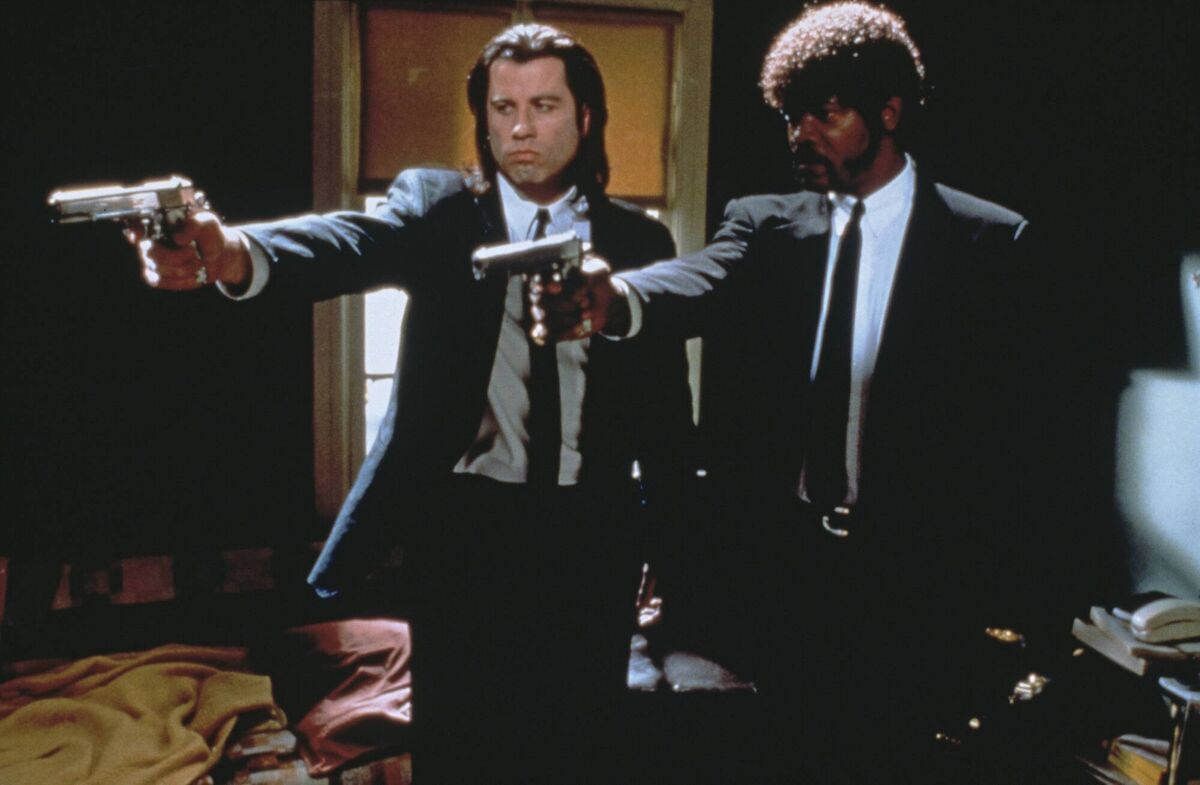
If Quentin Tarantino’s Pulp Fiction is ever on I will watch it. It was the way he architected it. You were so confused as an audience member so many times. What's going on here? But it all seamlessly glued together. As a film nerd, Tarantino was making homages to all these other classic movies. Also the use of music. The soundtrack was brilliant. Growing up, everyone had that Pulp Fiction CD. The dialogue in the movie was captivating. I was glued to it. I hadn't seen anything like it before. He made a perfect movie with Pulp Fiction.
Once Upon a Time in the West is one of my favourite movies. It’s so indulgent. It has a certain level of fantasy. It’s intense and beautifully acted. I love the cinematography. I love the patience it has. Nothing is rushed. It's funny, I've tried to get my kids to watch it. Kids don't have the patience anymore. It's a different mindset. They can't watch a seven-minute opening with no dialogue. They think it’s rubbish. It’s a generational thing, but it’s a movie that I love to go back to. It's a classic.
The first play I did that made me fall in love with doing theatre was Rumours by Neil Simon. It’s a classic farce. It’s hilarious. When we did it, we executed it quite well, and it was the first time I remember thinking, this is amazing comedy and entertainment. It's all based around a dinner party. It's a lot of, a character walks in this door and another door opens. It’s a play that has stayed with me.
Brendan Gleeson is a great actor. His ability to have a gentleness to such a big man. If you ever meet him, he’s a huge, tall man, a powerful presence, but if you look at him in a film like, say, I Went Down, he's soft and gentle. He’s a powerhouse, and a huge inspiration for Irish actors of my generation.
I grew up with Terry Wogan on television. He had an incredible wit and humour. He was light-hearted and engaging. As a radio presenter, he was very good as well. The key to presenting is to try and be as close to who you are as possible, which is a hard thing to do because sometimes people feel like I've gotta be bigger than I am or smaller or happier than I am, but Wogan was able to make people feel relaxed and let them forget the camera. That's the key to presenting sometimes – where people talk to you rather than perform to a camera. Wogan had a lovely warmth when he looked down the lens and spoke to an audience. It felt like he was talking to you. That's a gift.
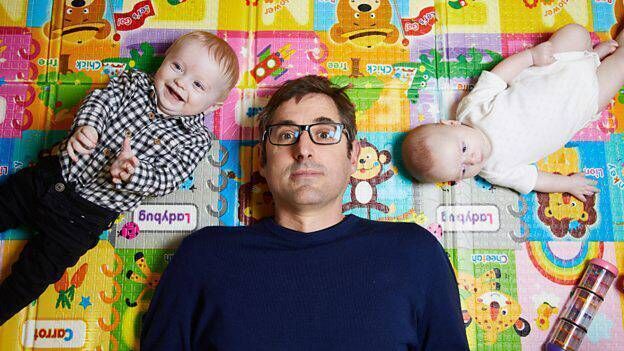
Louis Theroux is amazing. He has an ability to relate to anybody and to get them talking to him in his documentaries. If Louis is, say, talking to a prisoner on Death Row, he can speak to them without any preconceptions. He can talk to them on a human level. He mightn’t agree with what they're saying, but he listens without judgement. He’s very clever at doing that. Without being too sneery, he has an ability to make them feel comfortable enough to be themselves, and even if what they're saying is crass or you disagree with it, at least they're saying it. With another presenter, they might close up. It makes all his interviews very real and genuine. What you're seeing is authentic.
I came to culture later in life. I was too busy sitting on walls smoking as a teen! The first book that fell into my lap was when I was living in Cairo with my dad. There was one book in the apartment, and it was, oddly enough, Kane and Abel by Jeffrey Archer. I was fascinated by the way it was presented. It had an epic scale. When you first discover that in a book, it's engrossing. It was fascinating looking at these two parallel stories. It was the first book I really devoured.
One of my boys asked me for a book to read. I suggested Ernest Hemingway’s The Old Man and the Sea. It’s an easy, quick read. I loved it, and for where he was at the time in his head was ideal. The book is about the human spirit and the weight of hardship someone can sustain in order to succeed. It’s a beautiful story.