Tom Dunne: Britpop era is definitely worth another look
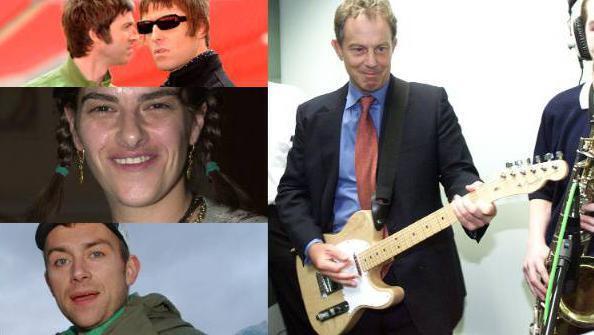
The Britpop era in the UK was about much more than music, suggests Dylan Jones.
Interesting game, should the chance ever present itself: ask any Britpop era band, about its part in Britpop. Suede will take credit for both inventing and ending it whilst never having been a part of it. Blur will cringe a bit, claim not to have noticed it, Oasis will just claim to have won it and Luke Haines will deny it ever existed.
It’s like Frank and Walters claiming to have nothing to do with Cork. “Never heard of it,” they say, “vaguely heard it mentioned, but we were always just The Franks, doing our own thing, getting on with it, being Frank.”
Don’t buy it. It is just too easy to do a brilliant, two-hour Britpop special. You can argue that some bands have nothing to do with the others, but put a playlist together that includes all of the above plus Elastica, Tricky, Teenage Fanclub, Radiohead, Sleeper, Cast, Catatonia and Supergrass and you’ve really got something.
There was something going on that they fed into. It was competitive, it had a joy d’esprit. It was a scene and the best UK scene since mid-Sixties London. And it wasn’t just music. In fact, music was only a small part of it.
Dylan Jones’ book, Faster Than A Cannonball: 1995 and all That, which I am late to read (it was published last year), paints a fascinating picture. It makes a case over it 474 pages, that our dearly beloved friends in the UK might actually have been having as good a time in the 1990s as we did during the days of Italia '90.
In Ireland that was the summer when '60s arrived. It was the exact point at which Ireland started on its long journey from a post-Civil War society to the liberal land of today. It was a heady time, full of youth and energy and optimism. I didn’t really notice the UK. Perhaps I should have.
The '90s in the UK ushered in a revitalised and re-invented Premier league, a vibrant and radical arts scene, a New Labour government that finally ended the Thatcher era, new clubs and cool restaurants, Lads magazines, a new music press, new indie cinema, a pride in the flag – in a cool non-nationalistic way not seen since the Sixties - and Britpop.
As Nick Hornby, whose seminal Fever Pitch was indicative of how soccer was now being reclaimed from violent mobs (attendances for MUFC home games in the troubled 1980s were as low as 28,000), said: “It was the last time the UK was happy.” Or, in Blur’s Alex James’ words: “what a totally, utterly brilliant decade.”
For the first time since 1966, England had a great football team – Lineker, Waddle, Gascoigne, Beardsley - and the best music. Strangely, my main memory of this is us scoring against them.
Central to it all were the YBAs, Young British Artists like Tracey Emin, Damien Hirst and Sarah Lucas. They were wildly successful, but crucially were as rock and roll as Keith Moon. At night they drank in the Groucho Club, rubbing shoulders with Britpop bands, who you suspect, watched them in awe.
At the same time as all this was happening, New Labour, in the guise of 42-year-old, guitar-playing, ex band member, Tony Blair was courting both the bands and the soccer players. If they weren’t inviting Oasis to a party at 10 Downing Street, they were playing keepie-uppies with David Beckham.
As one band member said: “Politicians were going to gigs, but they were staying for all of them.” This had never happened before.
We might look back now with a jaundiced eye. It's hard to remember that time without also now remembering how it ended, the Iraq war et al, but at the time it seemed different. The grimness of Thatcher and post-Thatcher was still fresh in people’s minds, poll tax riots, mass unemployment. A guitar playing PM seemed like manna from heaven.
And then there was the music, of which I will not hear a bad word said. Even the off shoot bands were brilliant. When Justine Frischmann left Suede – “I wanted to be remembered as their Pete Best, not their Linda McCartney” – she formed Elastica. If they formed now and released 'Waking Up' tomorrow it would be the single of the year.
Read this book, particularly as I haven’t even mentioned Sarah Lucas’s Two Fried Eggs and a Kebab, or Tracey Emin’s Tent. Masterworks, both.