Music That Made Me: Neil Barnes of Leftfield picks his favourite disco and punk records
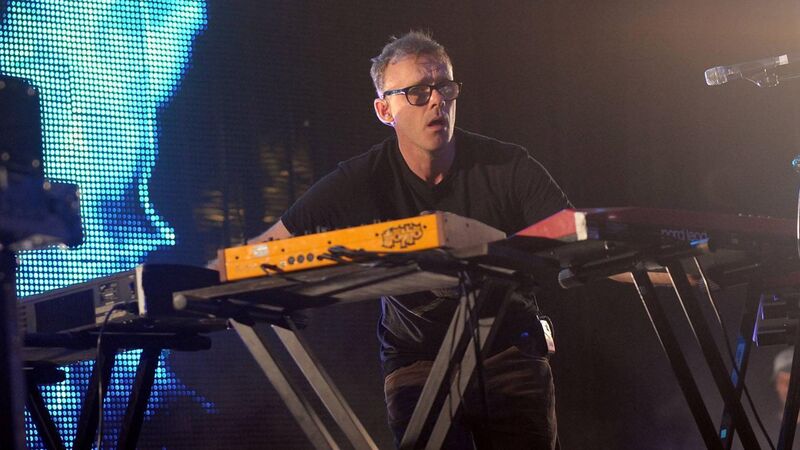
Neil Barnes of Leftfield. (Photo by Charley Gallay/Getty Images)
Neil Barnes, 62, grew up in north London. After several years DJing, he co-formed Leftfield with Paul Daley in 1989.
Their albums and helped soundtrack the 1990s. Several Leftfield tracks featured in movies such as , , and .
Barnes, who still spearheads Leftfield, released the group’s fourth studio album, , last year. His daughter, Georgia, is a singer and producer.
Leftfield will perform at the Beyond the Pale festival, Glendalough Estate, Wicklow, Saturday, June 17.
- See: www.itsbeyondthepale.ie.
I picked up on Sex Pistols a bit late, but all my friends had seen them, and they were on the telly.
They were radical, exciting, rude. None of us had seen anything like it. They divided people. I had the pleasure many years later of doing a remix of 'God Save the Queen'.
was a brilliant album, really well put together — a band on fire. They affected everything. They were responsible for starting so many bands.
Different cultural influences bled from them into art, fashion, literature, attitudes. They caused a major cultural shift whether you get music or not.
My favourite band to watch of the post-punk era was Siouxsie and the Banshees. I loved their first album . It’s dark and tribal. It’s pumping.
And I love their second album where Siouxsie Sioux sings 'The Lord’s Prayer'. They’re genius records. They were myself and my mates’ go-to post-punk pop band.
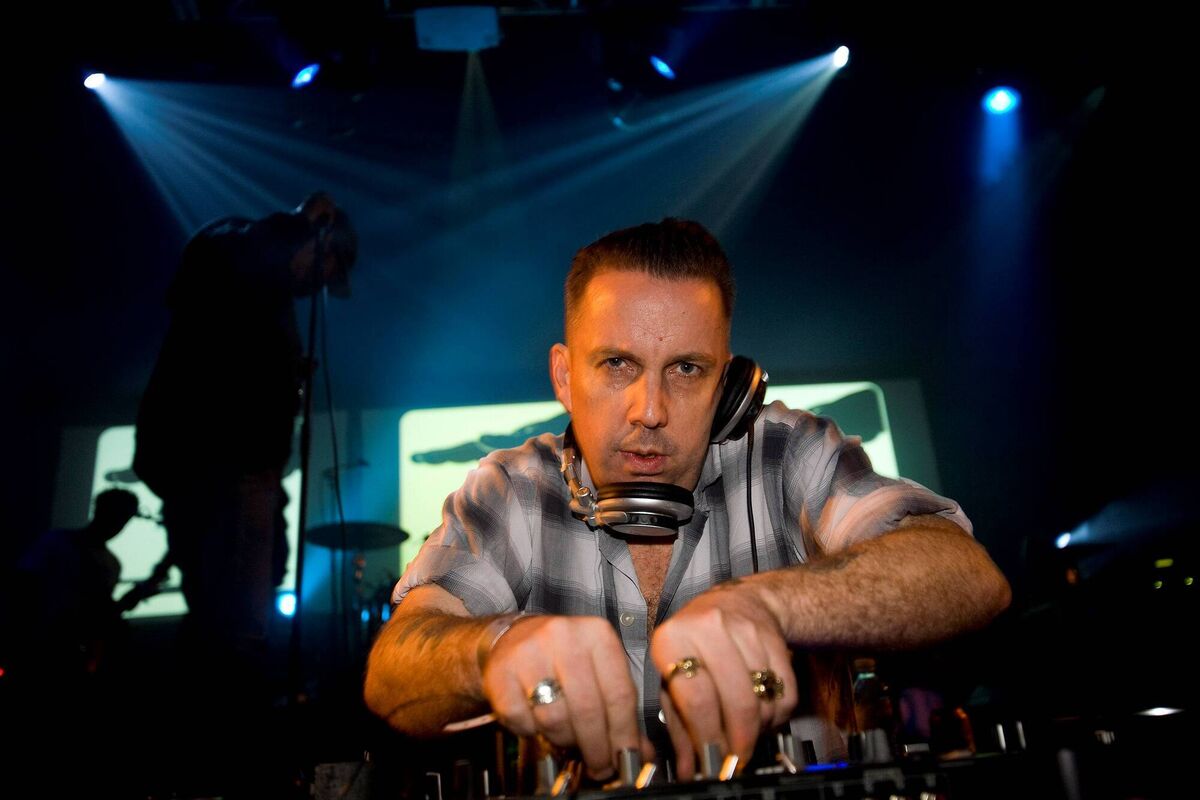
Andrew Weatherall was an amazing DJ. He did his own thing. He put out brilliant records. He was a breath of fresh air. His sets were always a surprise — you never knew what you were going to get. He could do techno, ska reggae sets.
He was a massive cultural influence. Whenever I met him we always had lovely chats. He was so intelligent, refreshing, kind, warm. He was unparalleled as a DJ.
The first Elvis Costello record I bought was 'Watching the Detectives' in 1977.
I liked his lyrics. I was a late adolescent. I picked up on his name. Who calls themselves Elvis? I wasn’t into Elvis — I didn’t appreciate that kind of music; it felt like an older thing.
There was a look to Elvis Costello & The Attractions. There was an energy and a completeness to those first Costello albums. There was a diversity about them. They came out of a new wave scene. They weren’t punk. He wasn’t at all punk. He was a songwriter. I like that.
I loved ABC, and an earlier iteration of the band called Vice Versa. I loved their production and their funk influences. At that time — this was around the early 1980s when their record 'The Look of Love' came out — I was listening to a lot of American music.
They had a very different approach to making music. It wasn’t at all punk or new wave.
When I was 15, I went to clubs a lot in London. I was with a group of people who liked disco as well as punk and indie. We liked all those influences. We liked electronic music. John Lydon loved electronic music as well. When it came to records, we took it all in.
Except festivals, which were a hippie thing. All we knew about was club culture and live bands in dark, enclosed spaces. It was the beginning of club culture. Where Heaven is now — which is a very big, gay club — there was a club I used to go to.
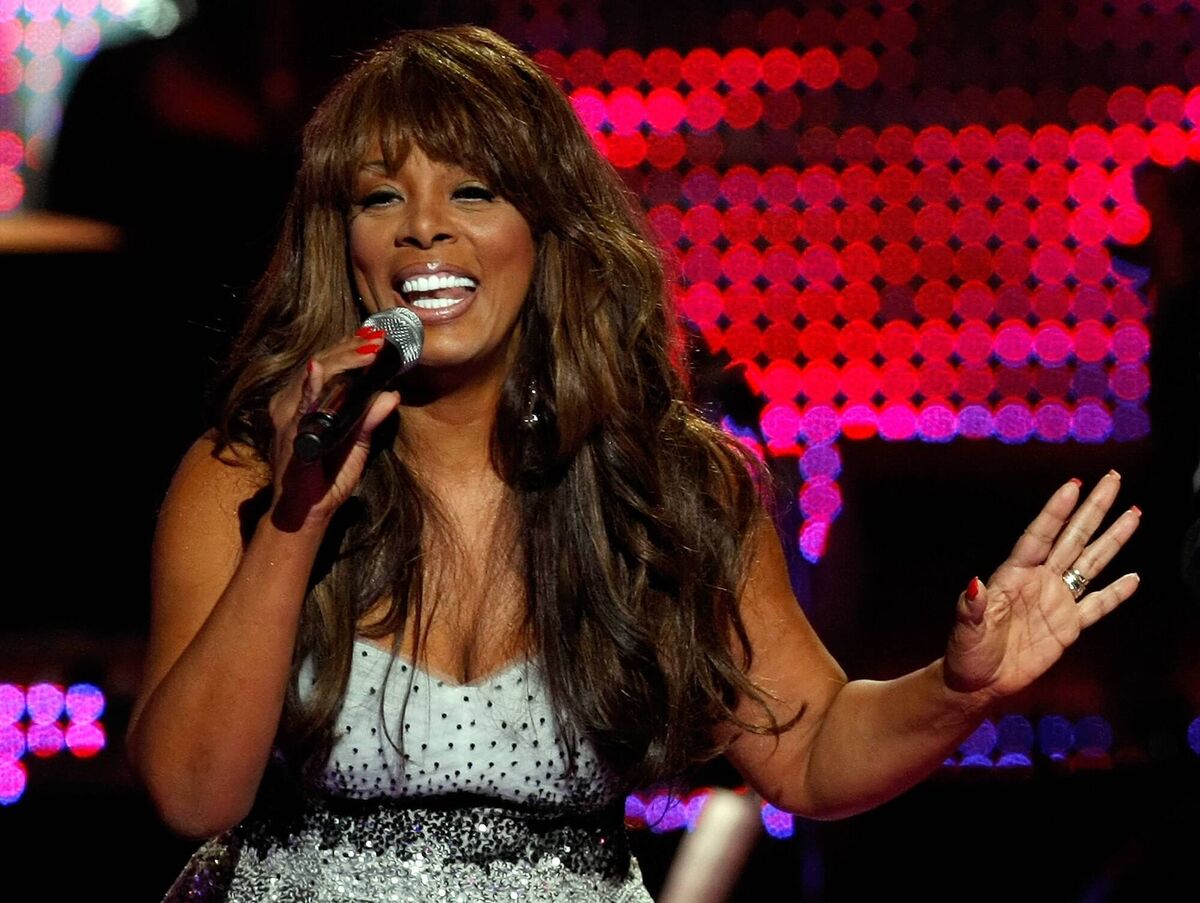
I first heard Donna Summer when I was about 15 years old. I remember being on the edge of the dancefloor — because I was very young; we didn’t drink, we just went to dance — when this record was played. It was a track by Donna Summer. It was her single 'I Feel Love'.
It was a radical record. I remember hearing it in the distance, and wondering what the hell it was. It sounded so different to anything else I’d ever heard. Its repetitive nature.
DJs around the world still drop it. It was the first I’d ever heard this arpeggiator synthesizer, which has now been used millions of times.
Joy Division, as I got into my 20s, were my favourite band. I saw them many times, following them around — gigs in London, Leeds, around the country. They encompassed dancing and space. I related to the lyrics massively — Ian Curtis’s extraordinary feelings of sadness and his amazing energy and self-reflection.
His lyrics reminded me of a dark journey through life, and survival. I remember seeing them in Kentish Town and Ian Curtis having a fit on stage. He was taken off and the band continued playing. I was at the front of the stage, helping him up.
They had this post-punk non-communication on stage. Nowadays everyone is so eager to please: jump around, happy to play festivals, do this, do that. It’s so lacking, so little edge. Joy Division had an anti-establishment attitude that I approved of.
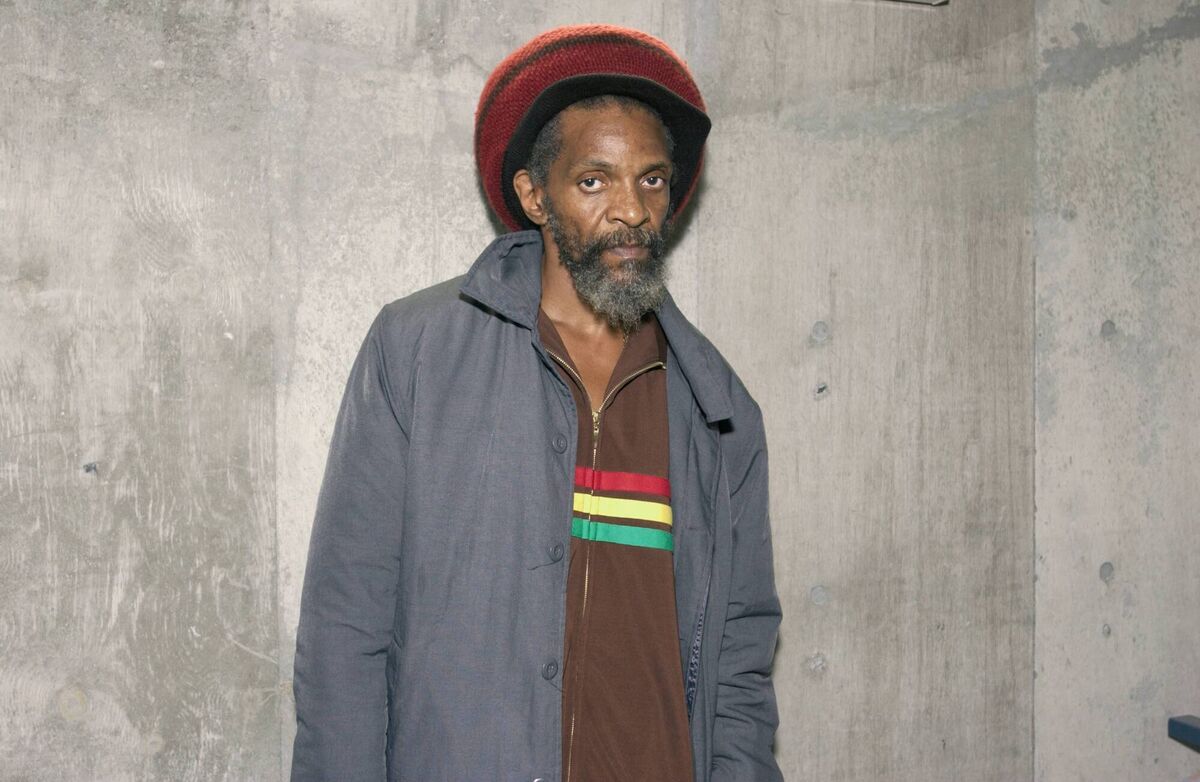
It's very sad that Jah Shaka died a few weeks ago. Myself and a friend used to watch Jah Shaka play at a venue in Dalston Junction. He was a big sound system guy. It’s where I first heard music at extraordinary levels of volume — what the power of loud music can do to people.
It was dark. Stacks of speakers all over the place. Nothing happening for hours. We’d stand around waiting. Lots of people smoking marijuana. Full of West Indian culture and Rastas. Some punks. A single deck with a light on it. Eventually, Shaka and his crew played records.
Dub versions with vocals over the top, delays and reverbs across records, and the soul of the singer. It was incredibly exciting.
The track, which is one of my all-time favourite reggae records, is 'Earth, Wind & Fire' by Paul Blackman.
I love the baseline — it’s so subby and big. It has loads of space in the record, which is what attracted me to reggae. It’s really slow. I have the 12-inch Jamaican version in my collection. I love it.
I entered into club culture around 1990, which came after the acid parties in the late 1980s. It was almost as soon as I made my first record. I used to go to a club every Sunday called Strut in King’s Cross.
People like Darren Emerson and Paul Daley, my partner in Leftfield, used to DJ there. We’d go to clubs all over London. I’d see Andrew Weatherall and Billy Nasty, playing tougher records. There was a massive DJ scene all over the country. It was enormous.