Tom Dunne: Kevin Rowland, Paul Charles and a glimpse inside the music industry
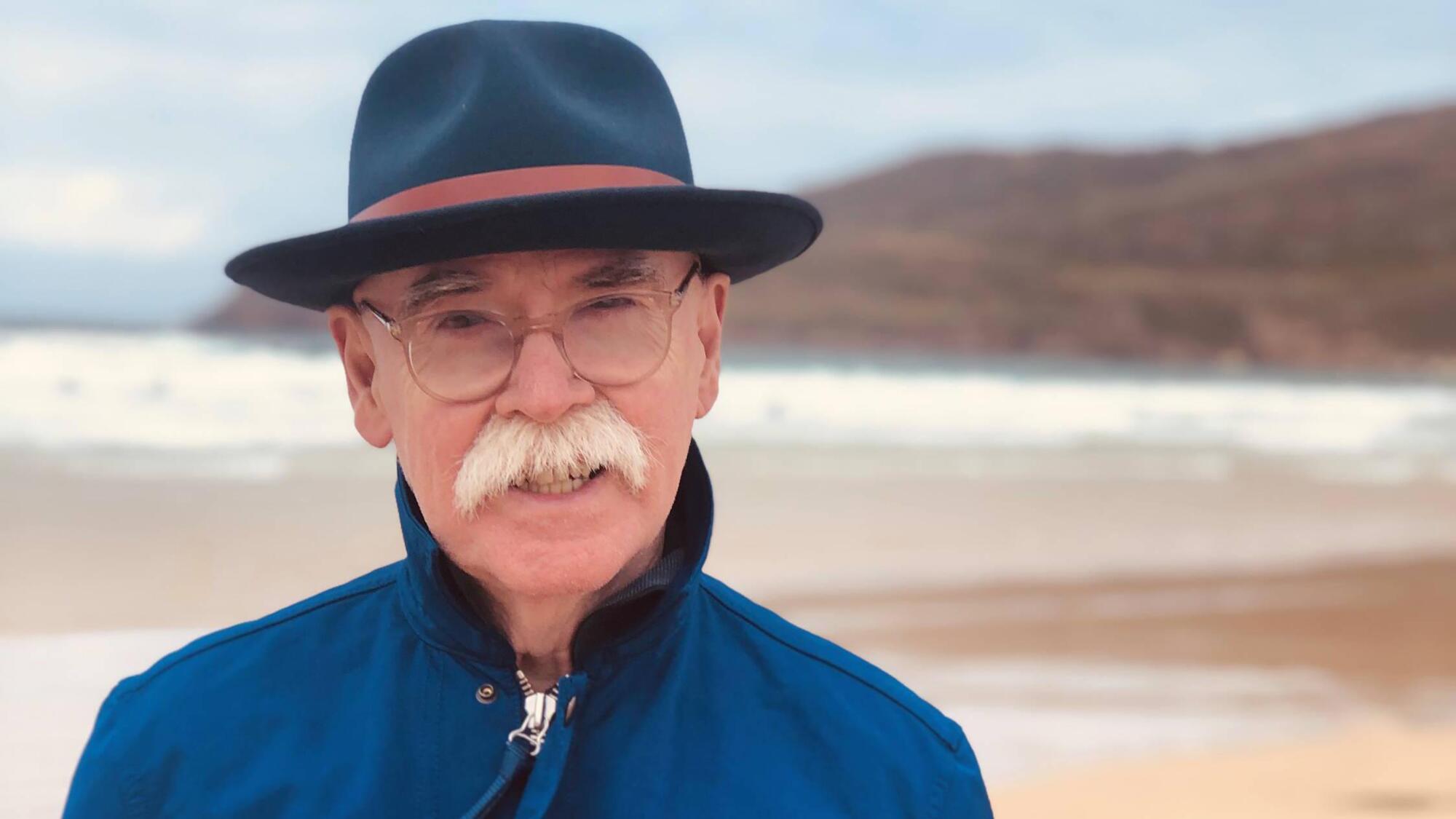
Paul Charles has just released his memoir, Adventures in Wonderland.
Kevin Rowland – the Dexys main man - is back, oh we have missed him. A new single is out, it is excellent, an album will follow, and there is a date in the Olympia. You can dust off our donkey jacket, or your women’s lingerie, depending on which era you discovered them.
Rowland features in Adventures in Wonderland, Paul Charles’ wonderful new memoir on his life in music. A concert promoter for over forty years, Paul has worked with acts like Van Morrison, John Prine, The Undertones, Ray Davies, The Waterboys, Tom Waits and so, so many more.
Rowland, naturally, makes a splash. Invited to open for David Bowie in Paris in front of 65,000 people he becomes a bit miffed by the audience’s subdued response for Dexys. He decides to tell that he doesn’t rate Bowie, but the audience hardly react.
“What’s happening?” he wonders. “They should be angry. Wait! They’re French,” he remembers. He ambles over a member of the band who speaks some French and asks him what is the French for “We hate Bowie.” He relays his bon mots to the crowd. They are immediately booed off.
This is one of the very few tales of artistic misdemeanour in Charles’ book. He is a music fan who has had the good luck to work in an industry he loves with talents he has adored. He is not here to spill the dirt. It is much, much, better than that.
From Magherafelt in Co Derry, Charles was managing a band by the time he was 15. Later, in London to study engineering, he started to write music reviews which eventually led him to manage Northern Ireland prog band Fruupp.
Due to the Troubles, Ireland in the 1970s was a difficult place in which to promote gigs. So, Charles hit upon the idea to develop an Island of Ireland Concert Concept by which bands could tour in the relative safety of the college circuit.
He liaised with the social secretaries of each college, which, as luck would have it, would put him in contact with a cast of characters all of whom would become major players in the nascent Irish Music scene. These included Ian Wilson at TCD, Ollie Jennings at Galway, Elvira Butler in Cork, and Billy McGrath at UCD.
What these maverick talents got up to later includes the Arcadia gigs, the Dave Fanning Show, the Saw Doctors and many more. But one stands out. In 1977, Charles was trying to bring The Clash to Ireland, but the gig was cancelled due to the anti-punk sentiments of the time.
So, Charles rang Ian Wilson at Trinity College who said, “Leave it with me.” That re-arranged gig, in the Exam Hall at TCD, on October 21, 1977, is regarded as a Year Zero event in Irish music folklore. It stands akin to the Sex Pistols at The Manchester Free Trade Hall. Everyone at it formed a band.
Charles was one of the first to see punk for what it was. Whilst the media was falling over backwards to condemn it, he astutely realised it heralded the biggest creative wave since the arrival of The Beatles, The Kinks and the Stones. His Asgard company became the agency for new wave bands.
He talks as fondly of The Undertones as John Peel did. He too remembers hearing ‘Teenage Kicks’ for the first time and being stunned. “I realised that John O’Neill, and writers like him, would have been successful in any era, at any time. It was just great songwriting,” writes Charles.
The book is a fascinating insight to the business. There are three types of act he tells us: ones who are popular now for whatever reason and who you need to help make the most of it; those who will struggle but you love; and those for whom there is no help needed.
“You look at them on stage and think that anyone who sees this will love it. They will tell their friends; their friends will tell theirs. You just sit back.” Charles lists amongst this lucky few names like, Robert Cray, Rory, Van, the Hot House Flowers and Buzzcocks.
He describes putting Nancy Griffith on in the acoustic room of the Mean Fiddler in 1988. “There were 120 people in there, some hanging from the ceiling. A few years later it was three nights at Carnegie Hall, with 15,000 people a night.”
So, how’s your stagecraft then? Yes, stop reading this, start rehearsing!