Film review: The Unlikely Pilgrimage of Harold Fry revels in a particular Englishness
The Unlikely Pilgrimage of Harold Fry.
- The Unlikely Pilgrimage of Harold Fry
- ★★★★☆

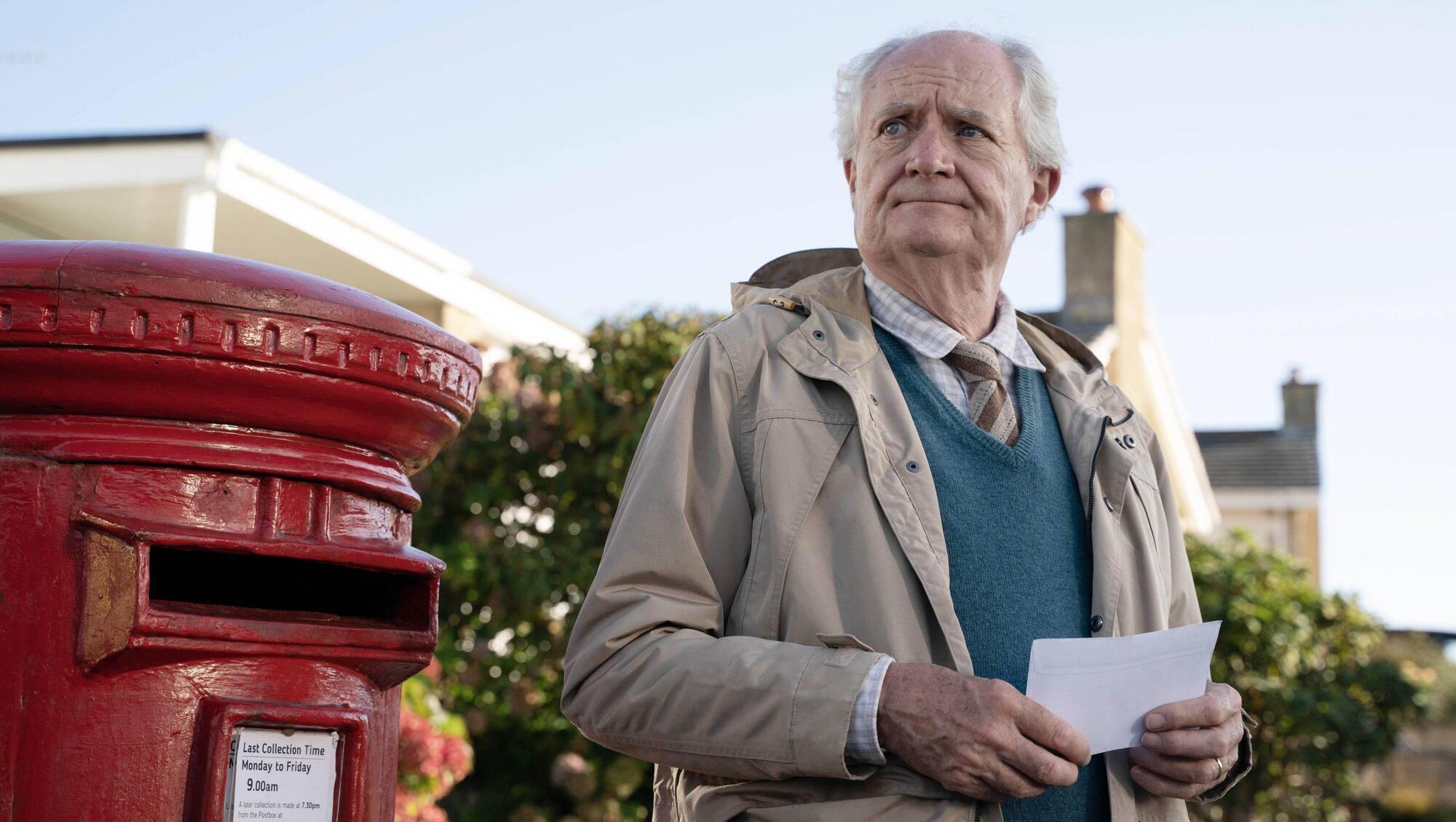
To cricket, cucumber sandwiches and similar totems of quintessential Englishness can be added Harold Fry (Jim Broadbent) — a doddering retiree living an unremarkable life in South Hampshire with his wife Maureen (Penelope Wilton). Then one day a letter arrives from an old friend, Queenie (Linda Bassett), telling Harold she is dying and has moved into hospice care.
And so begins (15A), as Harold, on his way to the Post Office to reply to Queenie’s letter, simply keeps on walking, having decided on the spur of the moment that Queenie can’t possibly die while he is walking all the way to Berwick-on-Tweed — a distance of roughly 500 miles.
Hettie Macdonald’s film, which is adapted by Rachel Joyce from her novel of the same name, is effectively a story of faith: Harold isn’t a religious man, but his ‘pilgrimage’ is punctuated by a mantra he devises for himself — ‘You will not die, you will not die’ — that we gradually come to realise is as much for the benefit of Harold’s estranged and troubled son David (Earl Cave) as it is for Queenie.

But while Harold’s self-flagellation is an act of faith on behalf of David and Queenie, the film itself is an article of faith in a particular quality of Englishness, of fair play and instinctive goodness, of the kindness of strangers and a willingness to celebrate and cherish eccentricity (ye olde English countryside gets a boost too, as Harold goes tramping cross-country and living off the land).
Jim Broadbent is perfectly cast as the sincere old codger Harold, and he gets terrific support from Penelope Wilton as a long-suffering wife abandoned to the Sisyphean task of maintaining their already sterile home.
Some of the allegories are as overwrought as any in the original , it should be said, but it would be churlish to write off Harold’s well-meaning flight of fancy as eccentric whimsy. ‘On the whole,’ he decides, ‘people are kind,’ and if that sounds a little trite, it’s also mostly true.
(cinema release)