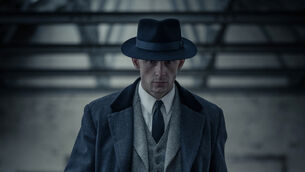
Ireland in 50 Albums, No 12: Achtung Baby, by U2
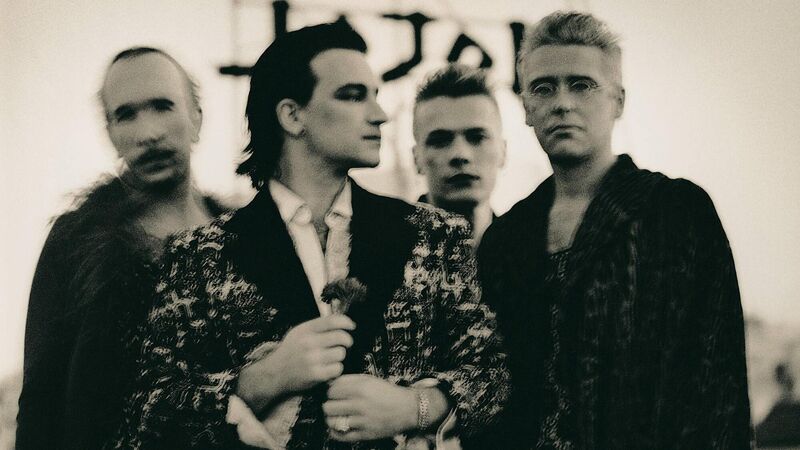
U2, around the time of Achtung Baby and the Zoo TV tour.
U2 bossed the 1980s. They wowed the world with The Joshua Tree. According to the cover of Time Magazine, they were “rock’s hottest ticket”. Their latest album, Rattle and Hum – a love letter to Americana that came with a cinema-release movie – got a mixed reception, however. As the decade drew to a close, they had been a long time on the road – 14 years, longer than most great bands like, say, the Beatles (10) and Led Zeppelin (12) lasted. They were at a crossroads as they set about making their next album.
“U2 played a New Year's Eve concert in 1989 back home in Dublin at the Point Theatre,” says Stephen Catanzarite, author of U2’s Achtung Baby: Meditations on Love in the Shadow of the Fall. “It was the end of the '80s. From the stage, Bono said, ‘We gotta go away and dream it all up again.’ They took the longest break they’d taken in their career from touring and making albums, and they came back with this album, Achtung Baby. It was certainly a difficult album for them to make. They really were dreaming it all back up again, building the airplane as they were flying it.”
U2 headed to Berlin to cut the album. They set off in October 1990. The continent of Europe was in flux. Berlin was on its fault-line. It was a year after the fall of the Berlin Wall. The Eastern Bloc was collapsing. U2 got the last flight into East Germany before it was reunified with West Germany. They were channelling the spirit of Iggy Pop and David Bowie who produced albums in Berlin in the 1970s.
U2 chose to record the album in Hansa Tonstudio, where Bowie had recorded Heroes, a hundred yards from the crumbling Berlin Wall. Kraftwerk – who U2 always admired – were in the ether, too. If there was something different about their new album, it was a determination to “mix flesh with machine,” as Daniel Lanois, who co-produced the album with Brian Eno, said in an interview on CBC radio.
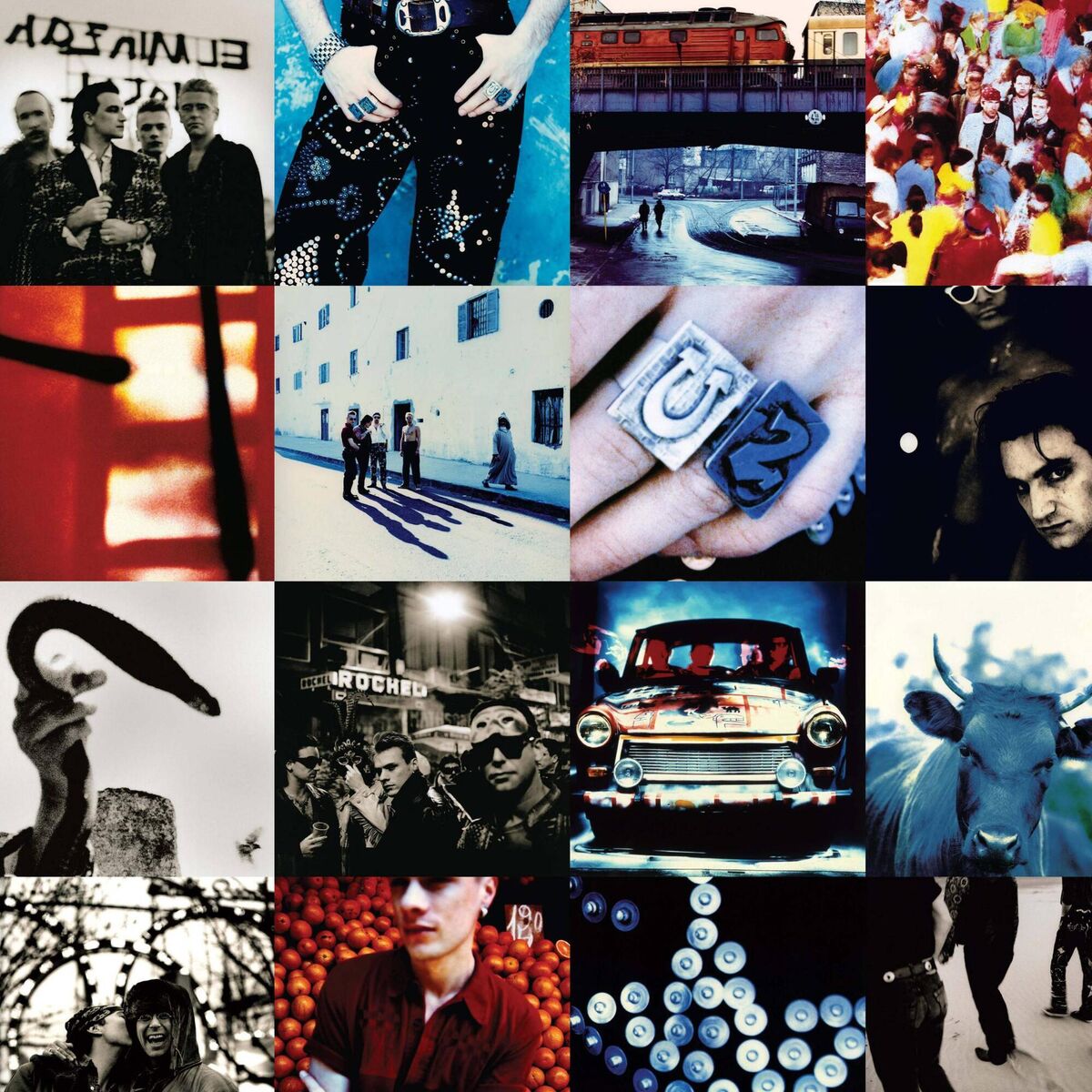
“The album was a pivot,” says BP Fallon, the musician and writer, who spent a year on the Zoo TV Tour billed as ‘Guru, Viber & DJ’. “If you listen to contemporary music at that time, like My Bloody Valentine and quite a large amount of Creation Records, you can hear shadows of what U2 were thinking about. It was a huge leap. They had a lot of balls to do it. They could have fallen flat on their faces.
“As Bono said, ‘This is the sound of four men chopping down The Joshua Tree,’ which is not far wrong. They had a lot going for them, a Simple Minds vibe but much bigger and they threw that aside. They had a huge fandom who loved all that stuff. Their fans could have said ‘We don’t want all this clatter.’ The worst mistake any group can make is to try and figure out what people will like. It’s not a Wall Street think tank. If it becomes such, it’s pathetic. I applaud U2’s jump.”
It wasn’t an easy ride. They hit a wall in Hansa Studios. For a long time they couldn’t crack a tune. Adam Clayton and more so Larry Mullen Jr. weren’t enamoured with Bono and The Edge’s experimentation and their enthrallment with tape loops, rhythm sequencing and drum machines, which wasn’t leaving much room for Mullin Jr.’s distinctive drum signatures.
“The ambience they found in the studio was pretty bad,” says Catanzarite. “It had been neglected. They had to ship in equipment. It was an old SS ballroom, so it was filled with bad Nazi vibes. It was dank, and they did not come into the sessions with a lot of pre-made material. There was dissension in the ranks. It was kind of a Beatles Let it Be thing where they're in this cold, dark place. They're not getting along and Adam’s giving his bass to Bono and saying, ‘If you don't like how I'm playing it, you play.’
“Like a lot of incredible works of art, it was born of angst and frustration. Two guys were saying, ‘Why are we changing it up? We found this formula that's so successful.’ I don't think Adam Clayton and Larry Mullen were really with the programme to where Bono and The Edge were when they started working on this record."
Catanzarite believes the band's guitarist was key to the new sound. "It's The Edge that pushed the sounds. His marriage was falling apart so all of that hardness and darkness comes into it. Bono's always gotta be the guy out in front. He's the main lyric writer, but there's a lot of places where The Edge contributes to that. Spiritually, The Edge was driving that record, with Bono getting in behind him 100 percent.”
It was The Edge that unlocked the door into the album. After many dead-ends, he improvised some chords one day on what evolved into the track 'One', which became the jumping-off point for the rest of the album. “If all U2 had ever done was written 'One', and Johnny Cash had recorded it, that would do,” says Fallon. “It would have been more than most people get in a whole career.”
Several classics tumbled forward, including 'Who’s Gonna Ride Your Wild Horses'; 'Even Better Than the Real Thing' and 'Mysterious Ways'. Interestingly, the bulk of the album was finished off in Dublin.
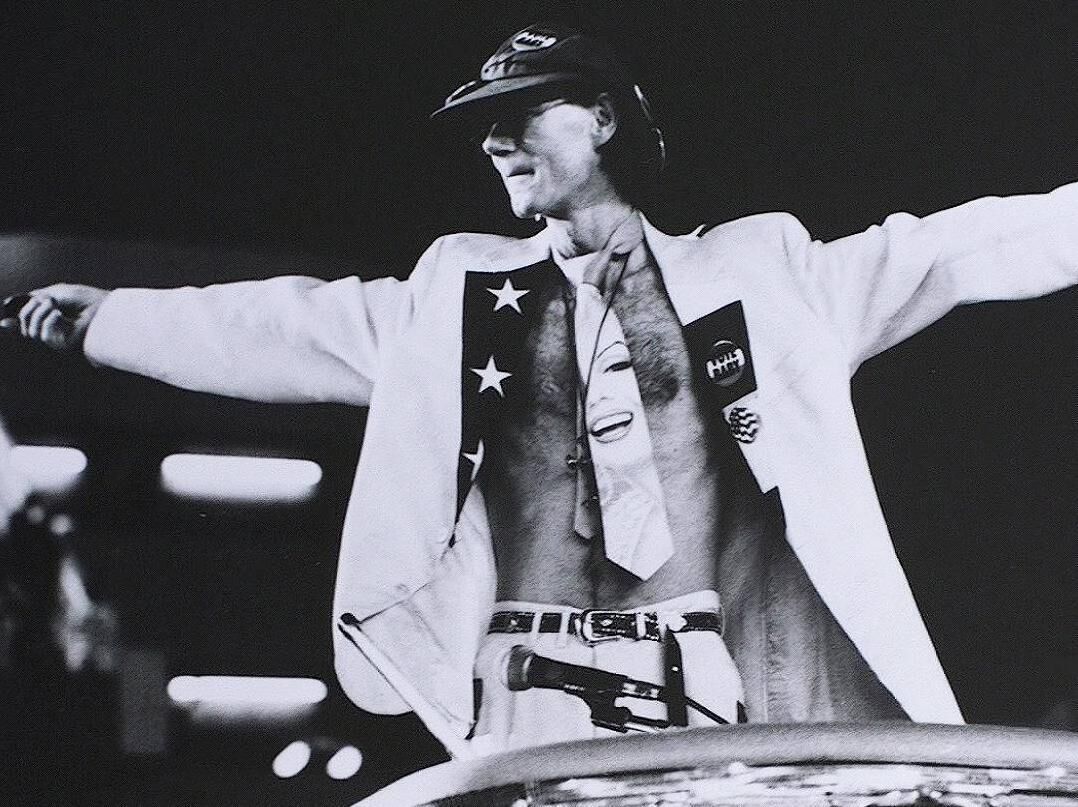
Bono added an audacious flourish with the invention of The Fly persona, which was unleashed on their monumental Zoo TV Tour after the album’s release in 1991. This was U2 having fun. U2 had come across as po-faced and earnest during the 1980s. The Fly was a departure. He was an identikit rock star, stitched together from Lou Reed’s shades, Jim Morrison’s pants, Elvis’s jacket and a bit of his haircut.
“More or less what U2 had been doing up until Rattle and Hum was sword-and-dove music,” says Fallon. “It was a guy on the top of a hill with the wind machine blowing and in one hand there's a sword and in another one there's a dove. That was U2 early on. With Achtung Baby, it suddenly became ‘Those are sexy trousers!’
“Bono’s alter ego, The Fly, was wonderful. When you wear the mask, it allows you to be yourself with no responsibility. A reflection of that would have been the orgies in France before the French Revolutions when the aristocracy were all wearing masks, riding each other. There wasn't that sense of guilt, of being fettered to some moral compass.”
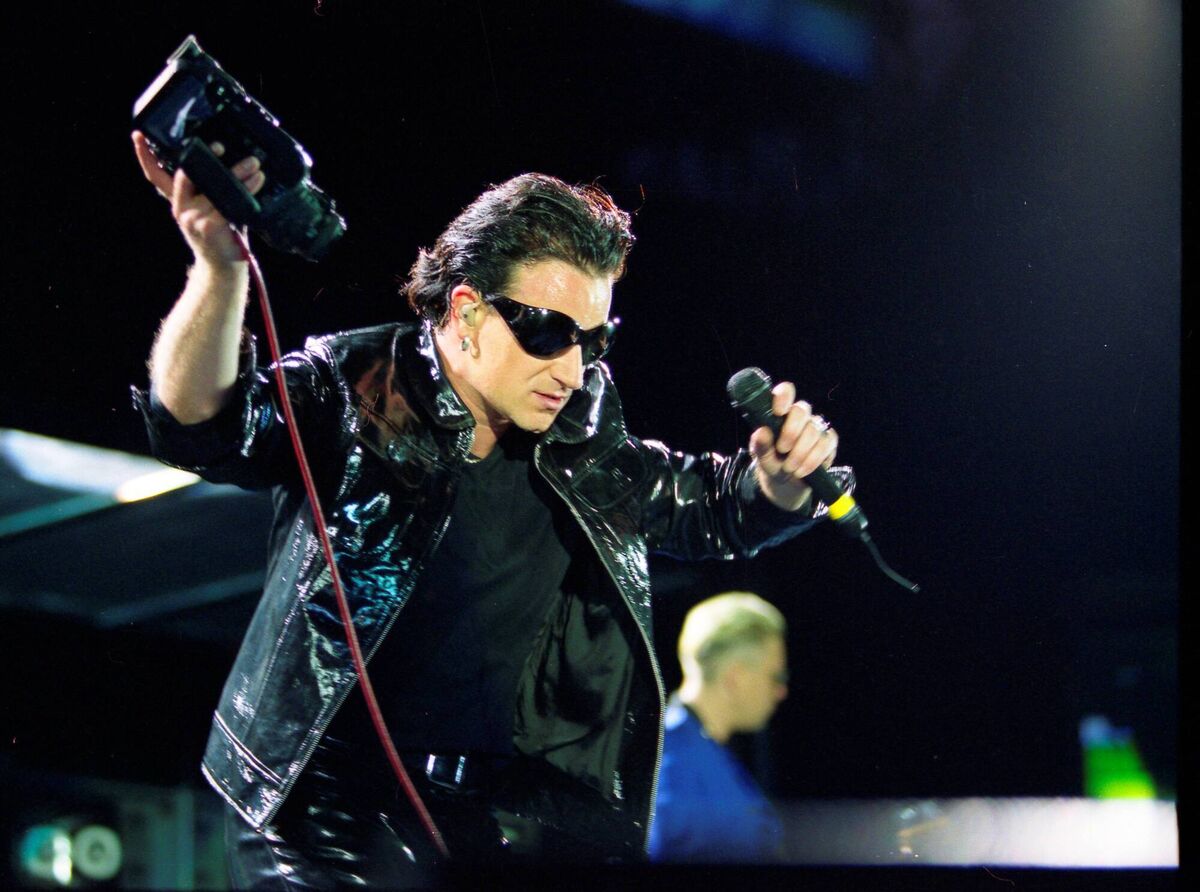
In October 1991, U2 released 'The Fly', the first single from Achtung Baby, a month before the album’s release. It signalled the new industrial direction U2 were taking. (Later albums in the 1990s, Zooropa and Pop, were even more dance-infused.)
'The Fly' reached #1 in the UK charts, only the second time the band topped the charts. The album won broad critical acclaim. “It's the apex of the group’s recording career so far and Zoo TV is the apex, so far, of their live show-waddy-waddy. We're looking at mountain tops here,” says BP Fallon.
- BP Fallon’s book of his Zoo TV tour adventures, U2 Faraway So Close, is published by Virgin Books