Culture That Made Me: Manchán Magan on Deadwood, Dervla Murphy and Star Trek
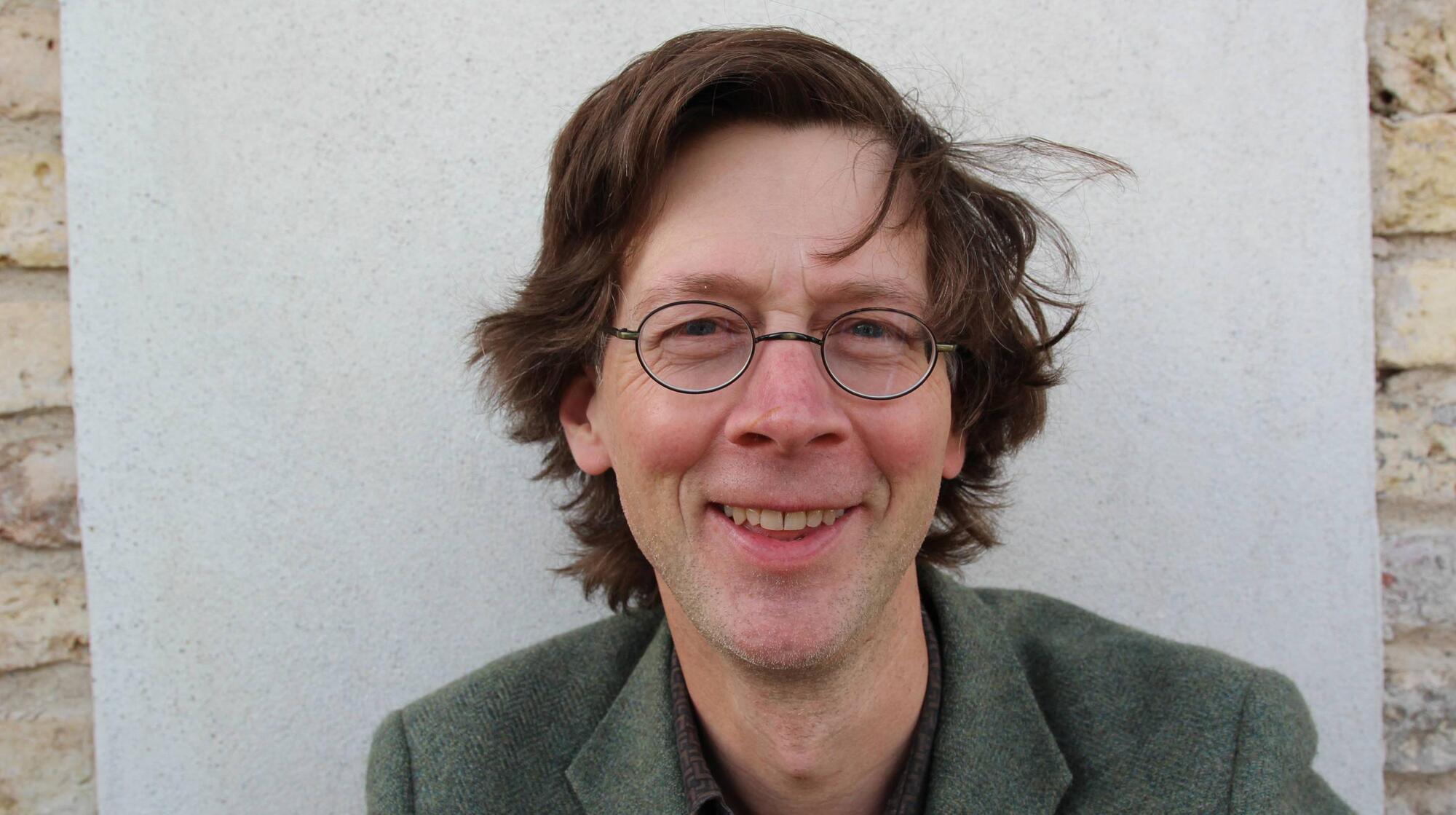
Manchán Magan's latest book is Listen to the Land Speak. Picture: Aisling Rogerson
Born in 1970, Manchán Magan grew up in Donnybrook, Dublin. He came to national attention in the 1990s with his global travel programmes for TG4.
Along with travel, his other wide-ranging interests are captured in books, plays, novels, documentaries and podcasts. They include the Irish language, etymology, immigration and most recently the Irish bog.
His book Listen to the Land Speak: A Journey Into the Wisdom That Lies Beneath Us is published by Gill Books. He lives in a grass-roofed house in an oak wood near Lough Lene in Co Westmeath.
Growing up, for some reason theatre exploded my mind. I went with a friend to everything in The Abbey and The Gate. There was this performance of Ibsen’s Peer Gynt in the Gate with Barry Lynch and Olwen Fouéré in 1988; Barry Lynch was like our Mark Rylance.
It was a three-hour production. Food was included beforehand because it was so long. All the rules were broken. It was so immersive. The whole theatre became this set. Because you were there for three hours, it was like a psychedelic trip.
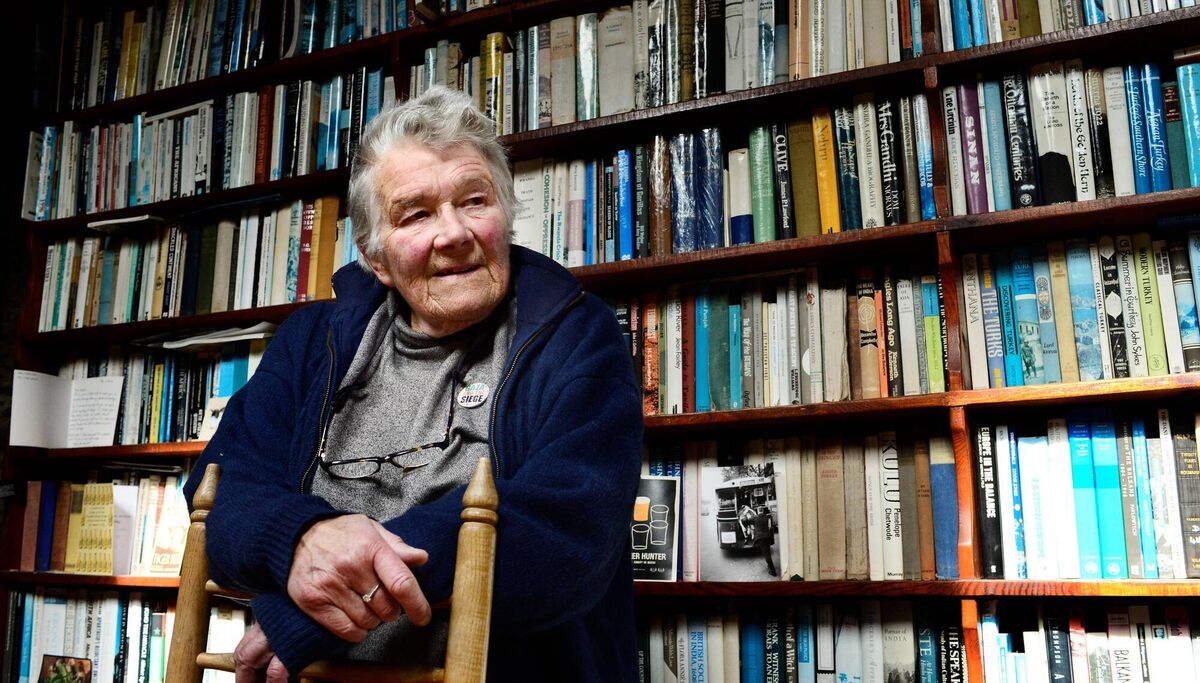
My mum had one of Dervla Murphy’s books in the house growing up: Full Tilt, the book about her cycle to India. I was always interested in other countries and different cultures. When I saw there was a woman going all over the world on a bike from Ireland, it hooked me.
I started going to the library to get her books like In Ethiopia with a Mule, Cameroon with Egbert, Eight Feet in the Andes with her daughter, who was aged 11. She was so brave and so out there.
She made the world seem so much bigger to me – that it wasn’t just my little world of Donnybrook or West Kerry. There were whole realms of existence that I'd never even touched upon or imagined, and they're all out there to be explored.
Frank McGuinness in the 1980s was a young gay man from Northern Ireland. He was writing these great plays. The background to his plays were The Troubles. They were set in Belfast. They were so radical. They felt so free and bold and young. Plays like Ladybag. I felt they were electric. It was the coolest thing ever, going to those plays.
Another play that blew my socks off – and it's why I'm still going to theatre today – was Titus Andronicus at the Project in 2005.
It was directed by Selina Cartmell. Olwen Fouéré, Owen Roe and Ruth Negga were in it. Titus Andronicus is the one Shakespeare play that rarely gets performed. It’s so badass and bold.
This production was pure punk. It was so frightening.
What Cormac Begley is doing now with the concertina is phenomenal. The squeeze box was not a renowned or acclaimed instrument. It was a thing in the corner. He seems to bring so much power and life and vibrancy into it. It's like you get profoundly under the skin of West Kerry, of the heritage that is built up over thousands of years.
What's fascinating about Gaeltacht areas is the culture, the stories and the language have survived for more than 2,000 years. The music is infused with that. I pick up on that when I hear Cormac play.
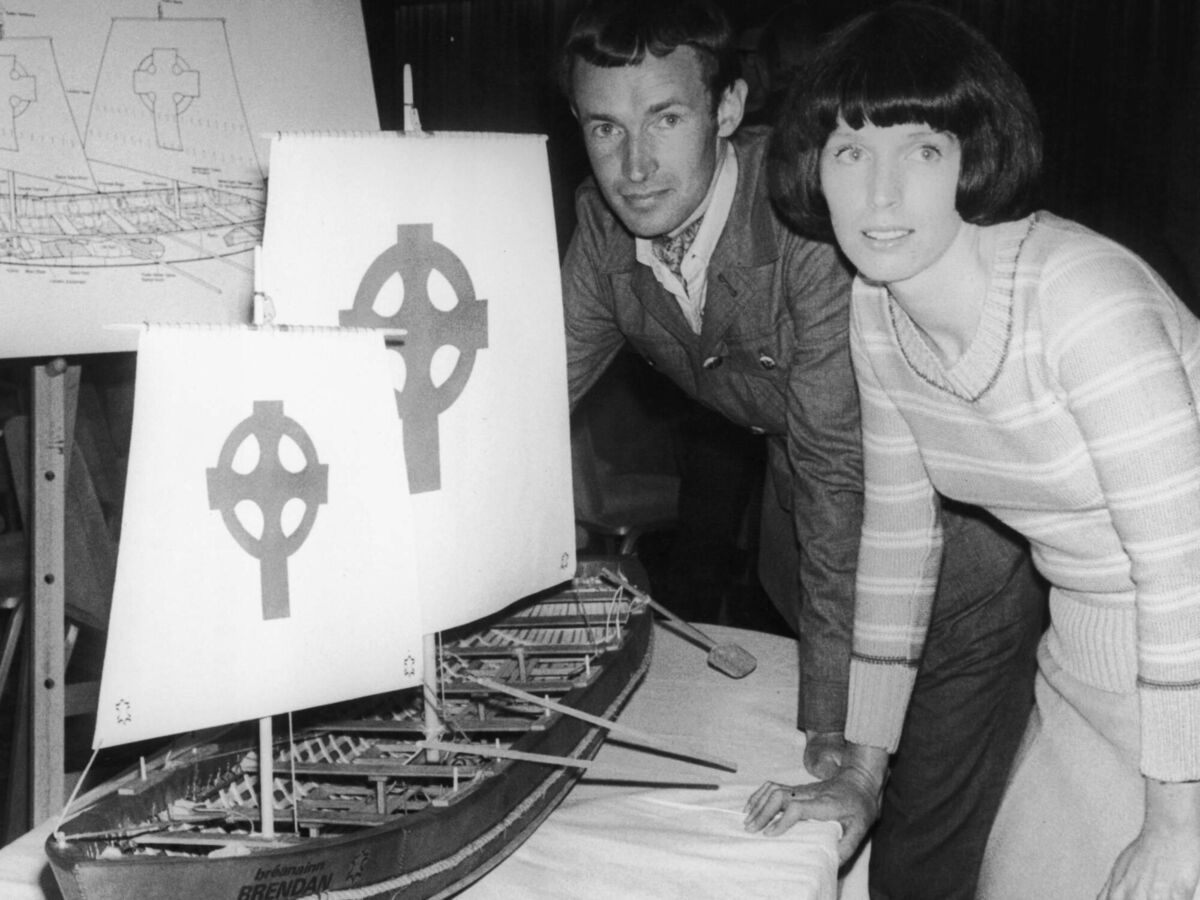
Tim Severin’s Brendan Voyage left from west Kerry in September of 1976. I followed the adventure on the radio every day before getting the bus to school because my granny was obsessed. We were on tenterhooks. She took me out of school so I could see him off.
When the book came out, she brought me into Eason’s and he signed it. I was captivated by that book. I needed help reading it, with my granny. It was based on a sixth century voyage. I realised, OK, these ancient stories from our past are actually so current you can actually redo them today and make them come alive.
It made a real impact, which was a lot to do with my own books.
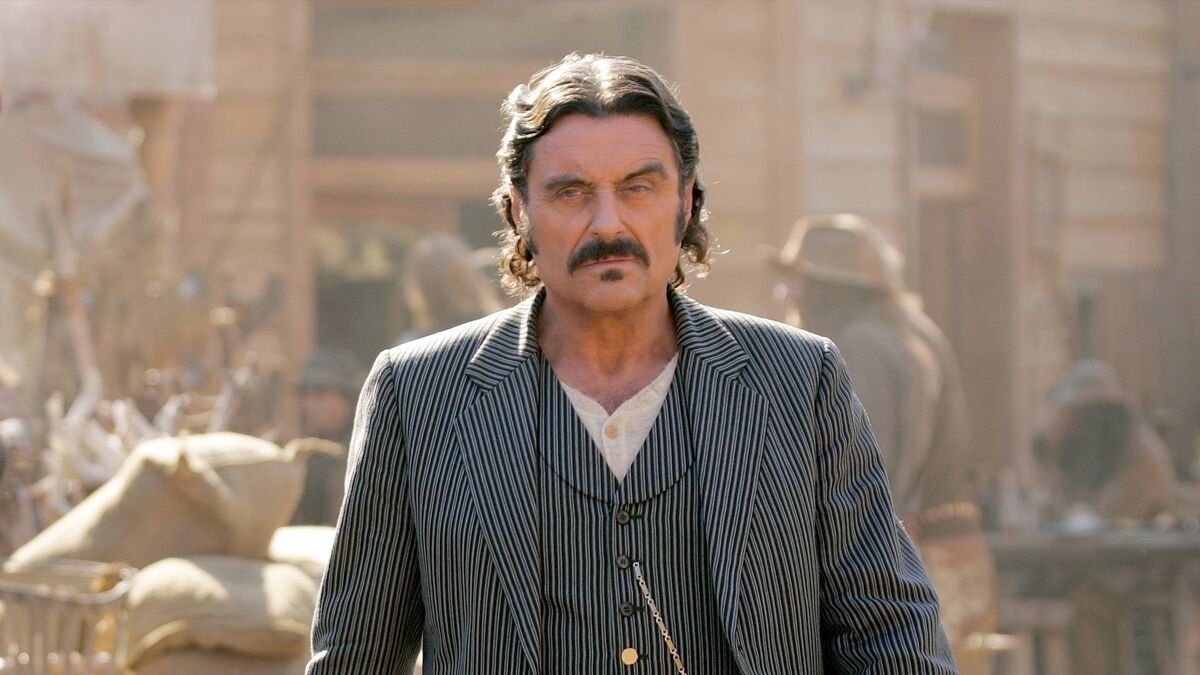
Deadwood is the best of the box sets – the language, half-Shakespearean, half from the street. It made the Wild West come alive for me. I felt I believed every one of those characters. Whereas we thought the Wild West was such a trope, a clichéd place of John Wayne and all.
The showrunner David Milch through great stories and this gorgeous dialogue made it come alive. I really cared the widow woman who came out from the big city. How Machiavellian Ian McShane’s character was. I savoured the dialogue and the fun of it so much.
It's hard for me to underestimate the wisdom I got from Buffy the Vampire Slayer. The show fed me.
Sarah Michelle Gellar’s character is trying to go through normal life. She's realised she has these otherworldly supernatural properties and that they come with responsibilities. At the same time, Buffy is trying to go through middle school. It’s done in such a light, fun way.
The dialogue is hilarious. It made me envious to want to try and recreate writing of that quality.
I loved Star Trek: The Next Generation because of its pure idealism. When I was young, even when I was in my 20s, I was so depressed about the world I was going into and inheriting. Star Trek: The Next Generation showed how we could create a more enlightened, more encompassing social world.
That was important to me – the philosophy and the big theories. The prime commandment was: “Don't interfere with other cultures. Explore the world, but don't impinge on any other cultures.” It's the opposite to war. They came from a world which realised that war didn't work. The Space Federation was a new way of exploring and trying to support other people. I found it high content and moral.
I listen to Fresh Air with Terry Gross every few days if I can. She's been doing it since the 1980s. She's in Philadelphia. Her guests are musicians, artists, current affairs people. Most people in America will agree that she is the best interviewer in their world. She is phenomenal.
It’s not like she's getting them to reveal some huge things like Marc Maron. It’s her focus, preparation and professionalism. I don’t know how she does it.
The New Yorker has a podcast called The New Yorker Radio Hour. The editor of The New Yorker, David Remnick, does it. It’s newsy. It's really informative because I don't keep up with news and current affairs much so I rely on a show like it. It’ll cover, say, what’s happening in Syria or Ukraine or mayoral elections in America. I find it useful.