Album review: Kaught At The Kampus captures a snapshot of post-punk Cork
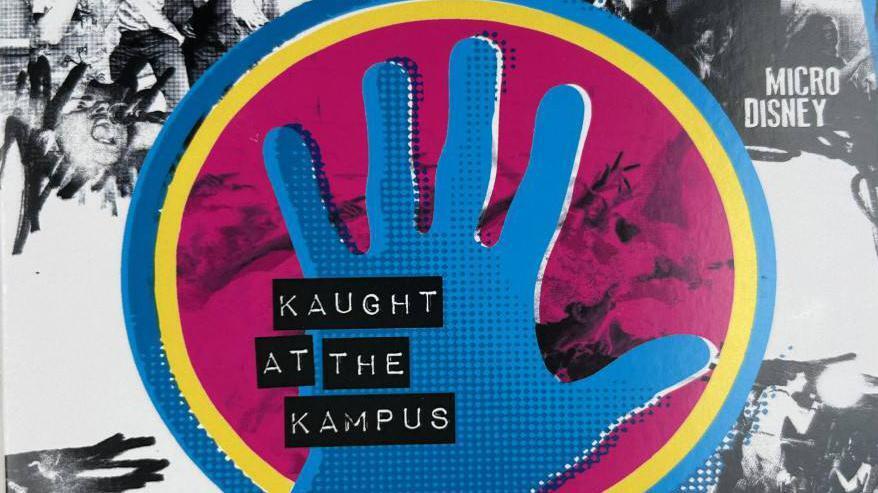
Kaught at the Kampus has been re-released by Reekus Records.
Various artists, ★★★★☆
The caricature of pre-Celtic Tiger Ireland as cultural wasteland is thrillingly demolished in an extended reissue of Reekus Records’ 1981 Kaught At The Kampus.
Featuring recordings from the Downtown Kampus night at Cork’s long-shuttered Arcadia Ballroom, the compilation is a gritty snapshot of the Leeside post-punk scene on the cusp of the Eighties. It was a decade that would see Cork’s industrial base collapse and unemployment spiral.
That sense of turmoil is captured on a live recording showcasing the era’s most individualistic punk voices.
Kaught At The Kampus also tracks the evolution of the “wacky Cork band” caricature. It started with Finbarr Donnelly and his band Nun Attax.
Of course, ‘wacky’ doesn’t do justice to Donnelly. He blended an off-beam worldview with a punk fervency, which suggests a new wave Flann O’Brien. Five Nun Attax tracks are included. They highlight the late Donnelly’s charisma, crackling out of the speakers 42 years on with rollicking ferocity.
No less haunting are five tracks by Microdisney, fronted by Cathal Coughlan. Coughlan passed away last year. It is fascinating to hear him as howl and shriek in his days as an angry young man. This was an embryonic Microdisney. It would be several years before they became a Cork blend of The Smiths and Prefab Sprout, though Coughlan’s voice and Sean O’Hagan’s guitar already have an aching lilt.
Kaught at Kampus includes an equally raw performance by Mean Features – fronted by another great lost soul of Cork indie music, the late Mick Lynch. There are also three new tracks by Big Boy Foolish (Ricky Dineen of Nun Attax and Liam Heffernan of Mean Features).
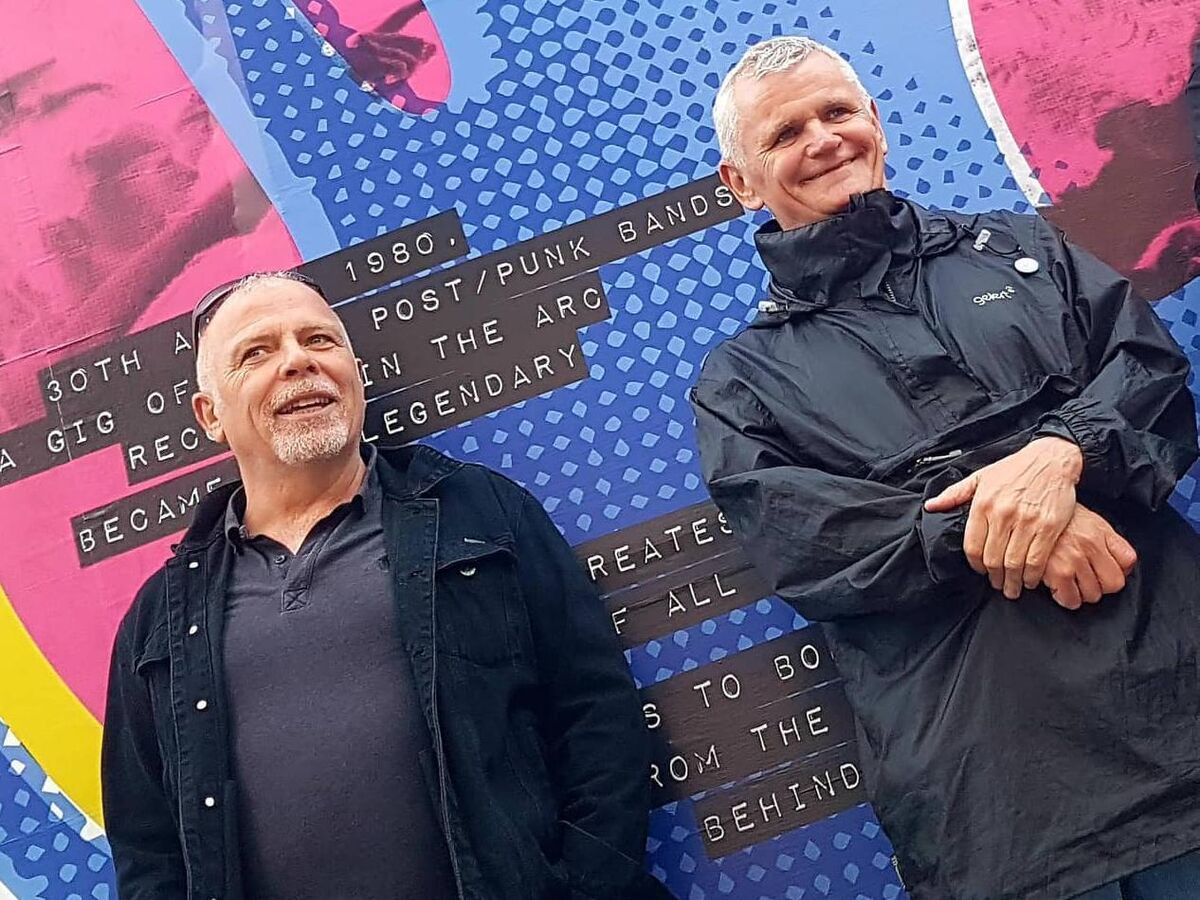
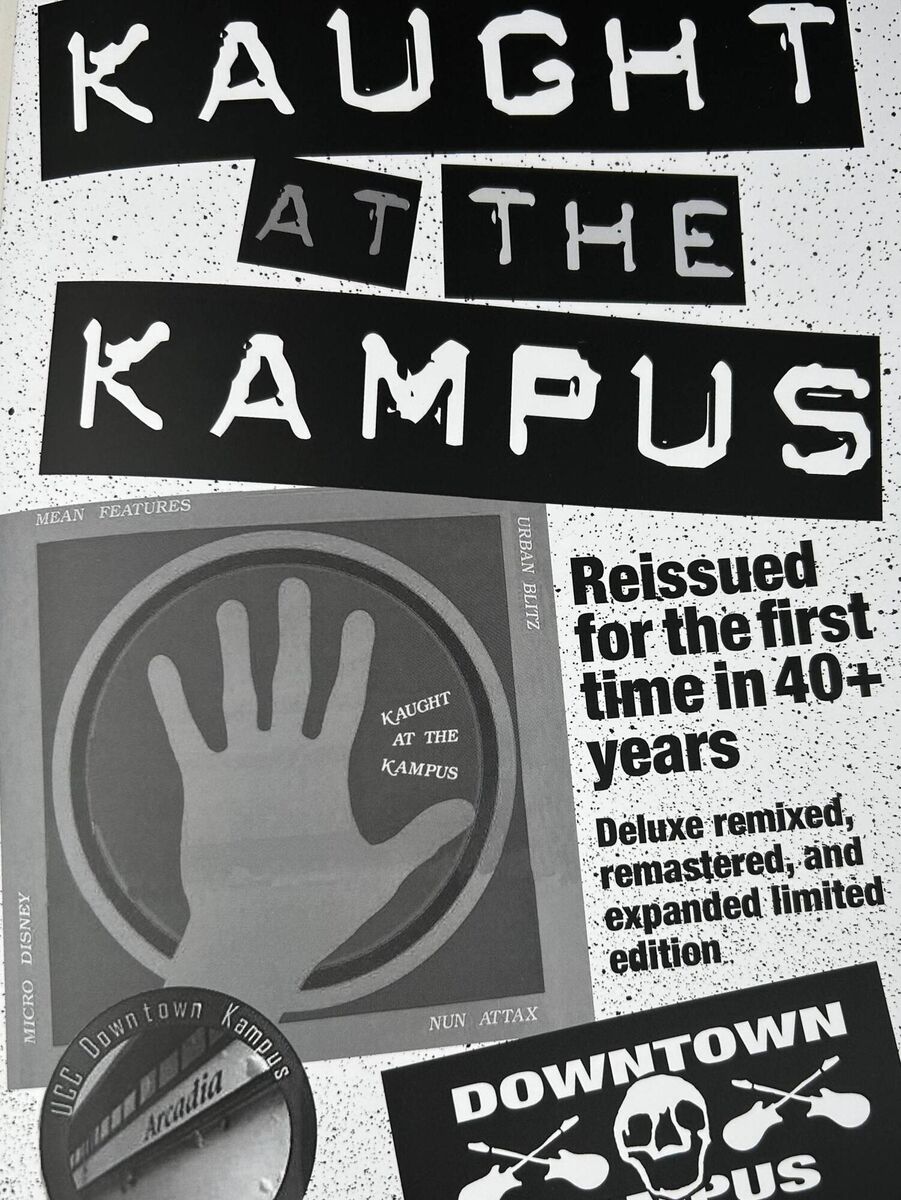
The re-release comes with a fanzine featuring contemporary press coverage of Kaught At The Kampus. What’s striking is how much of a place unto itself the Cork scene was at that time. Reviews from Dublin journalists share a incomprehension anyone outside the Pale should have access to guitars, let alone have heard of punk.
Their parochialism contrasts with the ambition, eclecticism, and, yes, the eccentricity that Kaught At The Kampus captures in its brightest bloom.
Read More