Book review: Something distinctly ‘odd’ about bright young things
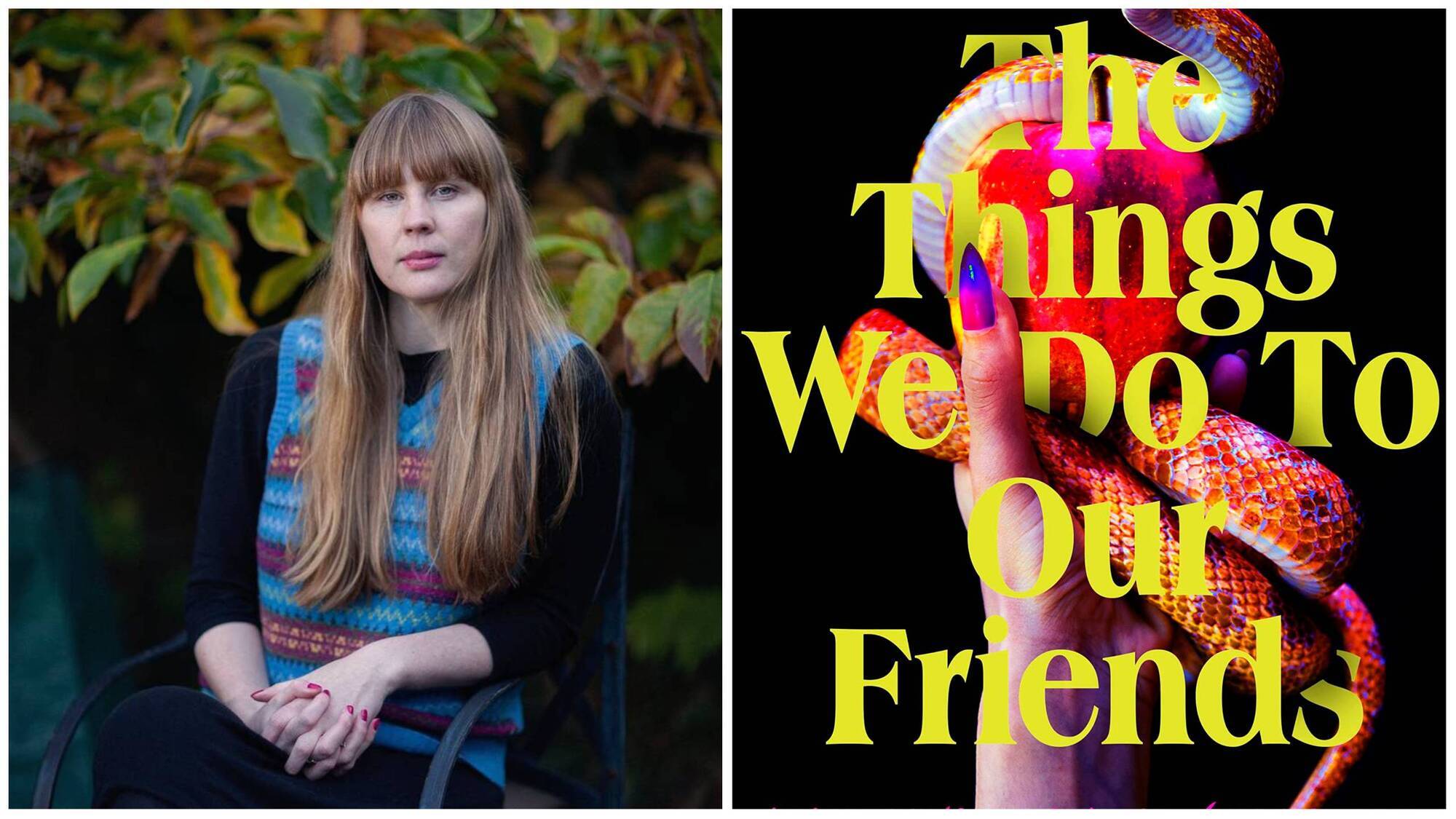
From the beginning, it is signalled that this anti-heroine is harbouring a dark secret from her past.
- The Things We Do To Our Friends
- Heather Darwent
- Viking, £14.99
This novel is written in the first person, which helps the reader to immediately connect with art student Clare. When it opens Clare is newly arrived in Edinburgh to begin college and is the classic lonely narrator.
Clare surmises that other students find her hard to put in a category but she is on a mission to find friends to help her become whom she wants to be. As part of her metamorphosis, she changes her accent, practicing by listening to television and learning to draw out her vowels and clip her syllables.
She has to get a job in a bar in order to be able to afford a laptop and books and her only family is a distant granny who works in a supermarket, wears a tracksuit, and smells of bleach and fags.
From the beginning, it is signalled that this anti-heroine is harbouring a dark secret from her past and there is a distinct sense of menace.
Clare smashes a mirror when a lipstick doesn’t suit her. A colleague from the bar Clare works in describes her as “odd’ and not somebody you’d want to be stuck with alone on a shift.
Darwent adeptly describes that raw, unformed feeling of being a fresher student in the first year of college: “We were still children, untethered from our parents but with no idea of how to live.”
There are those unspoken rankings at university that many graduates will remember.
Tabitha and Imogen are two art history students sharing lectures with Clare. A duo. Clare observes that there is space for her as “an unbiased observer”. They invite Clare back to their flat which has an engraved plaque with Tabitha’s surname rather than an unmarked doorbell.
Clare is quickly drawn into the intoxicating (or off-putting depending on your perspective) world of these affluent boarding school students.
At 18 and from “down south” they like to sit around at dinner parties discussing property prices and investments.
Ava, a Russian American, tells Clare that “us, it’s everything you’ve ever wanted and you’re going to love it. I promise. I’ll look after you”.
This novel owes a debt to Donna Tartt’s The Secret History although it lacks the intellectual heft. Gilded callow youth with unchecked human weaknesses run amok with dark consequences. One character dresses like he is going to a funeral, another like a dominatrix.
“I felt we were better than the other students from the start,” Clare says. And here we see a direct parallel to the friends in The Secret History who also fail to integrate with the student body and who have a fear of being “ordinary”.
Edinburgh is like an additional character in the novel.
“How grey the Old Town was. It was magnificent, but there was an underlying sense of squalor below it all.”
Perhaps confirming Edinburgh University’s reputation as a Hooray Henry whirl of dinner parties, we’re told “a certain Prince had studied History of Art. The result was a steady influx of attractive, rich students … with braying laughs”.
Finn, the bar manager quickly notes there’s something off about Clare’s new friends whom he identifies as “like a shoal of sharks”. “You’re a misfit just like the rest of us” a character says to Clare. Tabitha, an alpha female, trails her middle finger across Clare’s throat as if slitting it. The novel marches with inevitability toward a terrible conclusion.
The chapters are short, and the writing is tight and controlled, although there are many similes. None of the characters are particularly sympathetic, without any moral compass or honesty, but that’s OK. This novel is about toxic friendships, the need to belong, and obsession.
Gillian Flynn’s Gone Girl could be said to be in the mix. Clare is the fictional sociopath acting with unchecked self-interest. There is no guilt, no real suffering, no real redemption. Her primary motivation is a rage that is both personal and cultural in nature. It could be argued that the fantasy of ‘feminist’ revenge that has long been popular is unleashed. This leads to the inevitable outrageous plot twists.
This book succeeds as pacy entertainment and Darwent’s incisive gaze shows her to be a promising young writer.

Subscribe to access all of the Irish Examiner.
Try unlimited access from only €1.50 a week
Already a subscriber? Sign in