Book Review: Bill Whelan's long, slow and winding road to Riverdance
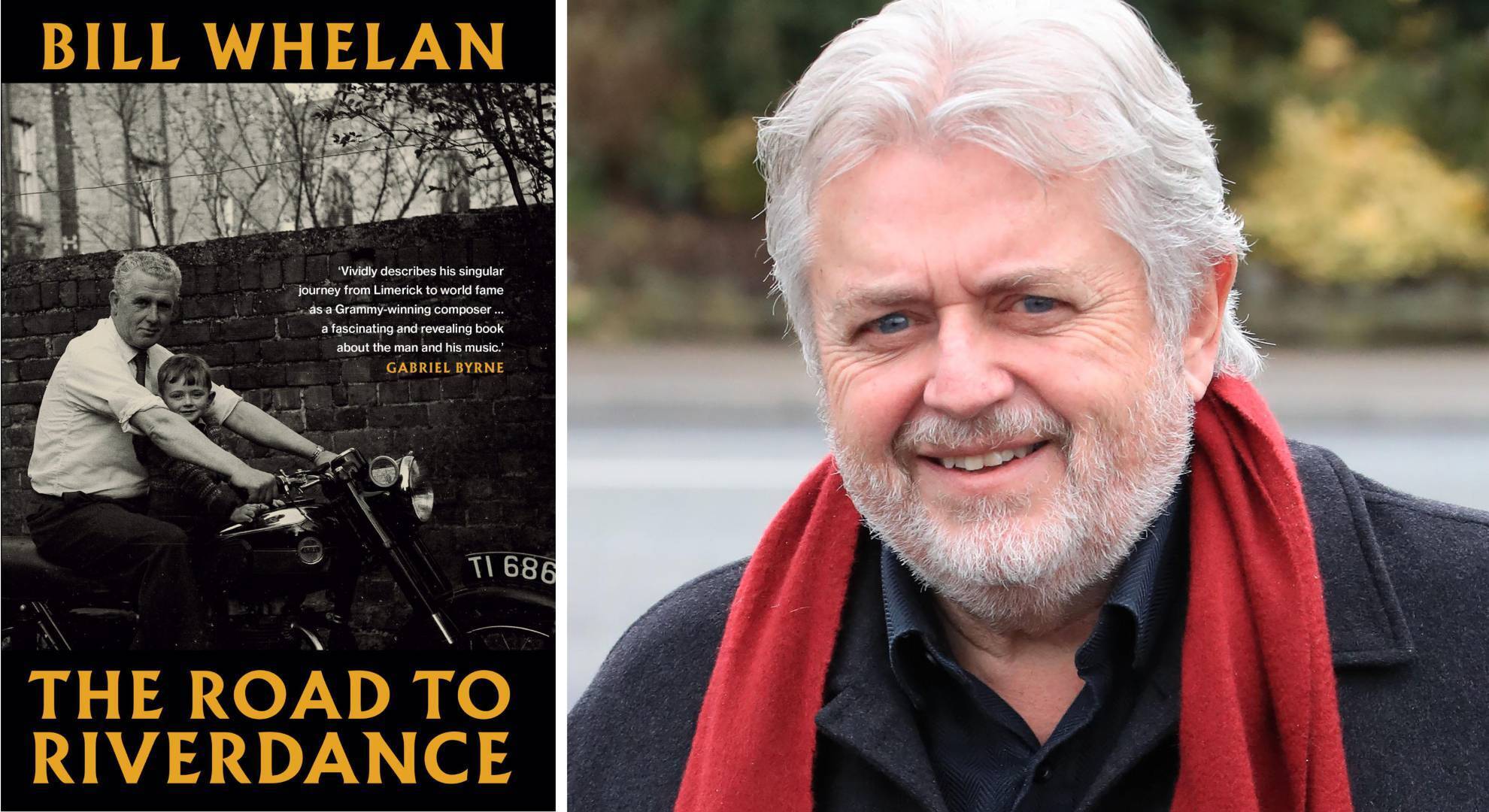
The Road to Riverdance was a long and winding one. But it wasn’t luck
- The Road to Riverdance
- Bill Whelan
- Lilliput Press, €25
June 8, 1993, and the latest show that Bill Whelan has composed the music for, The Spirit of Mayo, is getting a standing applause from the crowd, which includes president Mary Robinson, at Dublin’s National Concert Hall.
Jean Butler (they used to call her ‘she who floats’) and Michael Flatley both danced.
Less than a year later, April 30, 1994, to be precise, the scene would be recreated to rapturous applause at the Point Theatre as Riverdance announced itself to the world with an interval performance at Eurovision that still stands out almost three decades later.
For Whelan, an affable Limerick man living with his family in Dublin’s suburbs, who simply wanted a career in music, Riverdance was just the next job.
He, like the rest of the team who brought it to life, did not anticipate its global reach.
Asked the question thousands of times, he’s tempted to answer: “I just put off doing it until I was 45.”

But it was the culmination of all the jobs he’d done to date, from producing Johnny Logan’s first Eurovision Song Contest-winning song, ‘What’s Another Year’, in 1980, to making music for the WB Yeats Festival in Dublin, a five-year journey spanning the poetic and spiritual landscape of Yeats’s dramatic works.
This also forms the shape of his memoir, The Road to Riverdance, which begins in 1950s Limerick with Whelan, an only child, living at 18 Barrington St, where horses were everywhere.
His grandfather, incarcerated in Dublin at the age of 14 for “some anti-British offence”, couldn’t find work so as a result moved to Limerick in the mid-1880s.
His father’s side of the family did not talk about the 1916 Rising or Civil War — Whelan only recently found out his father, as a teen, was involved in blowing up two bridges in Limerick and Clare.
It’s a slow, chronological journey of events and jobs — indeed, you might hope for a shortcut on The Road to Riverdance — but Whelan has worked with some of the biggest names in Irish music, so his short tales of time with various acts or coming to work at the soon-to-be-illustrious Windmill Lane Studios are easily, happily devoured.
It was also where Whelan toasted that 1980 Eurovision victory — a drill used in lieu of an absent corkscrew to open a bottle of champagne.
You can take your pick of his meetings with the stars: Kate Bush (“she had a way of saying the word ‘beautiful’ that gave it more meaning than when anyone else said it”); Van Morrison (“you could feel the energy radiating from his squat Belfast frame”); U2 (“I landed into a sparking creative hub”); as well as brief brushes with the likes of Daniel Day-Lewis and Barry Manilow.

But as the title suggests, most people picking up this book might only be looking to be enveloped in the magic of Riverdance. It’s disappointing, then, that from conception to worldwide touring bonanza, Whelan covers it in about 30 pages — as he saw it, it was just another job.
He coins the name of the show —’Uisce Beatha’ had been the working title, translating as “water of life”, or “whiskey” as one sees fit. The first run-through at Digges Lane had everything going against it: “No professional lighting. No dry ice. No trad musicians. No orchestra. Just my homemade demos played through tinny speakers.”
And with numerous “RTÉ big brass” hangers-on watching on. Whelan rush-recorded the song itself, released following the Eurovision interval performance, and loftily claims: “The performance at the Point would have been a memory but the record immediately reminded everyone of what they had seen.”
Flatley, Butler, and the rest of the production team might tend to disagree.
Riverdance, the show, follows, though it seems to have left a sour taste in Whelan’s mouth, as it led to a fracturing of his friendships and working relationships with Moya Doherty and her husband, John McColgan, whom she brought on board to direct the show — he and Whelan had different visions of what it would entail.
For Whelan, The Road to Riverdance was a long and winding one. But it wasn’t luck.
As he says in the prologue, it was the result of meticulous months-long prep, decades of experimentation in Irish music, and technique and prowess in Irish dance and centuries of Irish culture.
It changed everything.