Book interview: 'I was so tired I didn't even have the energy to talk. I turned to Sylvia Plath'
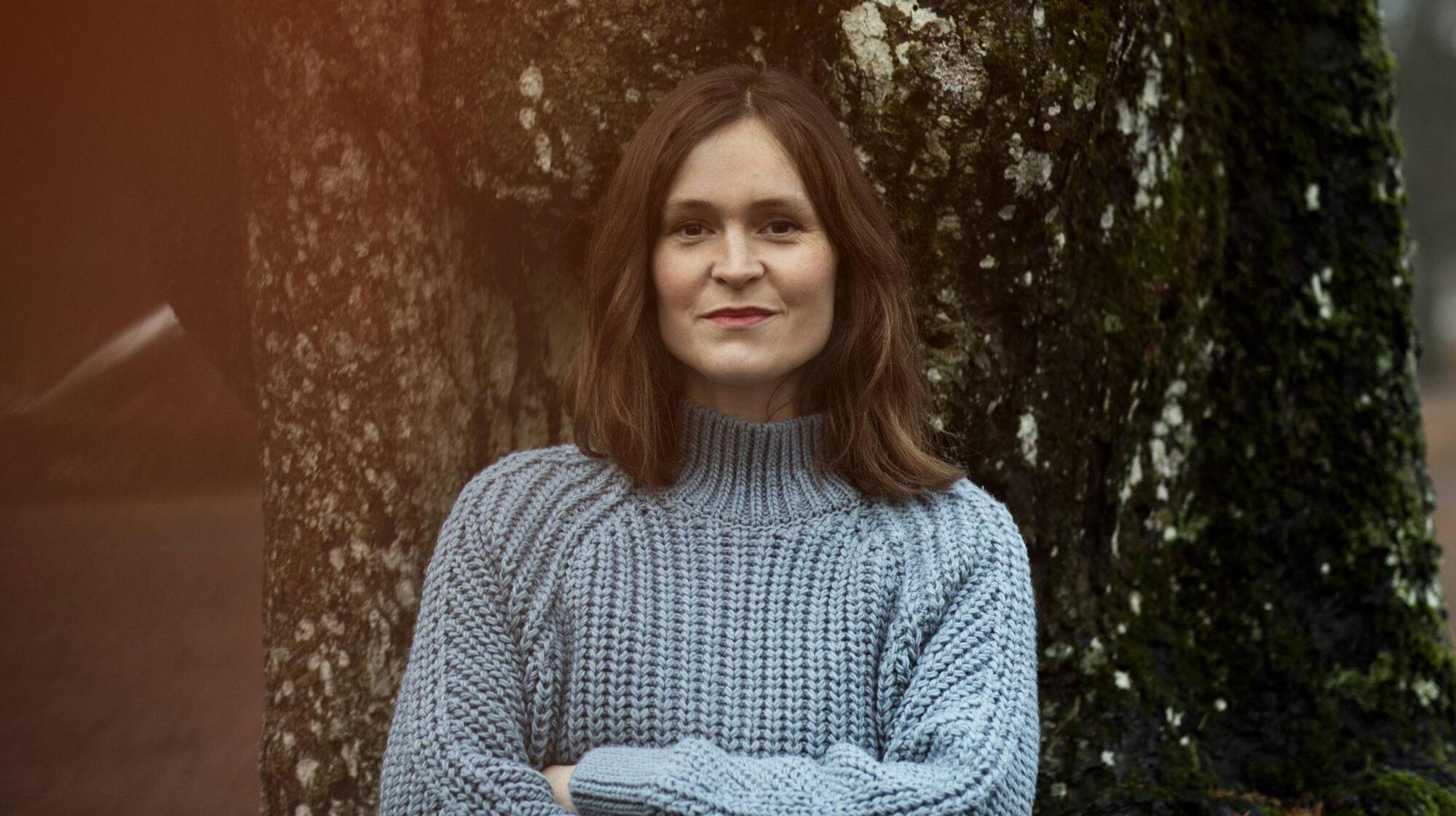
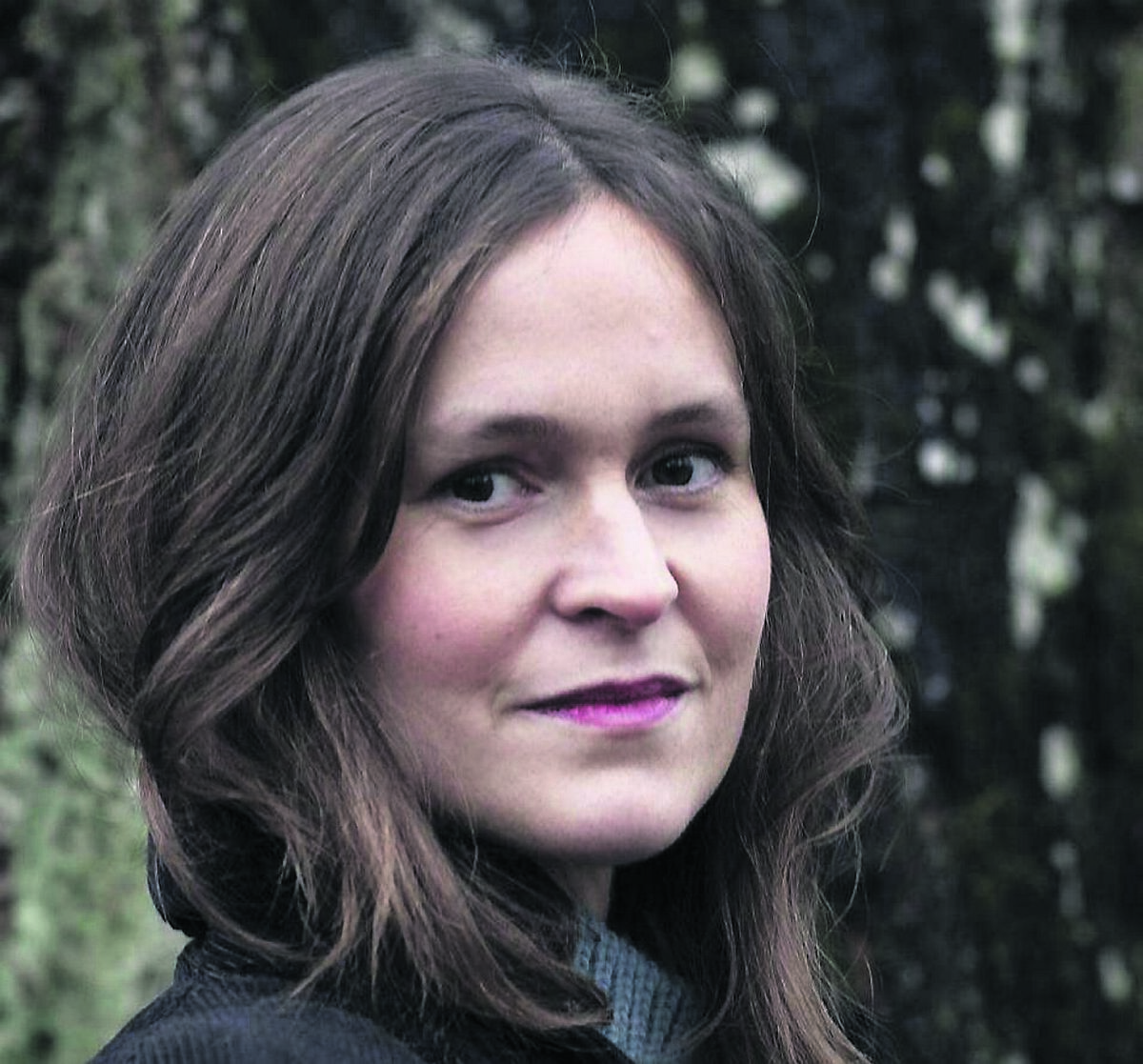
Author Elin Cullhed 'Euphoria' Picture: © Sofia Runnarsdotter
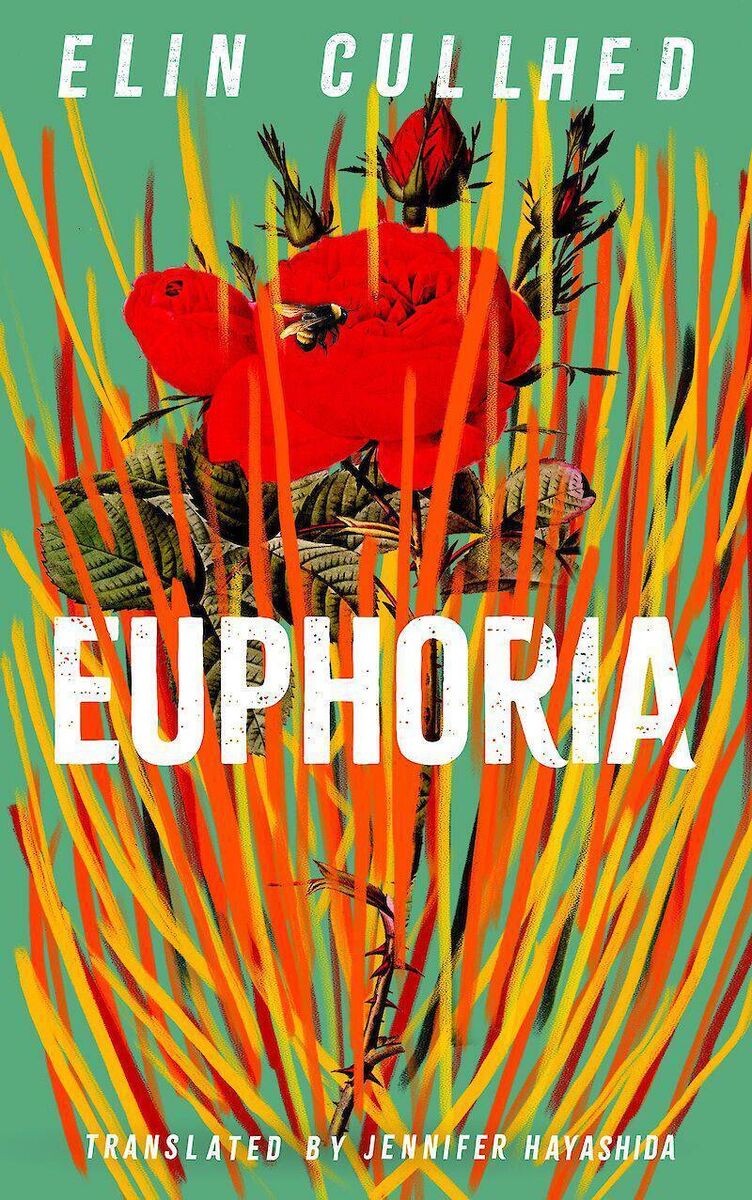
- Euphoria
- Elin Cullhed translated by Jennifer Hayashida
- Canongate Books, £16.99
As an undergraduate at Smith College in the 1950s, the poet Sylvia Plath wrote her thesis on the doppelgänger — the concept that we all have a double or a counterpart — which would go on to influence her acclaimed book The Bell Jar.
This fact was discovered by the writer Elin Cullhed when she was working on her book Euphoria, a compelling and visceral fictional portrayal of Plath’s last year. It was one of many signs that the book was almost pre-destined.
Cullhed first immersed herself in Plath’s work when she was 20 years old. It was 2003 and Cullhed, who was travelling around northern England with her family, read the unabridged journals of Plath, which had just been published.
“I immediately bought them because I’m a journal keeper myself. And the strange thing was that I immediately felt very familiar with Sylvia Plath, because she struck me as someone who is really having a battle inside herself, what to show to the world and what is actually in there,” she said.
“It really resonated with me, because I’ve had that kind of struggle myself, and I do think that people carry around this kind of doubleness that Sylvia actually put a voice to.
“I know that I wrote in my own diary at the time that she was some kind of doppelgänger. I actually used that word without knowing that Sylvia had been interested in that theme herself.”
Euphoria, originally published as Eufori in Cullhed’s native Sweden, has recently been published by Canongate, in a translation by Jennifer Hayashida, and coinciding with what would have been Plath’s 90th birthday.
Plath’s struggles in her last year have been well documented — she was dealing with depression as well as the breakdown of her marriage to the poet Ted Hughes amid his infidelity and was also caring for her two young children, Frieda and Nicholas.
She eventually died by suicide at her London home, aged just 30. In the decades since, there has been what seems like an endless tug-of war between the legacy of her actual work and the ongoing fascination with her tragic end and her relationship with Hughes.
In Euphoria, Cullhed explores through Plath the challenges of being creative while coping with the physical and emotional toll of motherhood — it is a situation that the author is herself familiar with. In 2019, she received a clinical diagnosis of exhaustion, which she says was related to “years of mothering, breastfeeding, and nursing more than one child”.
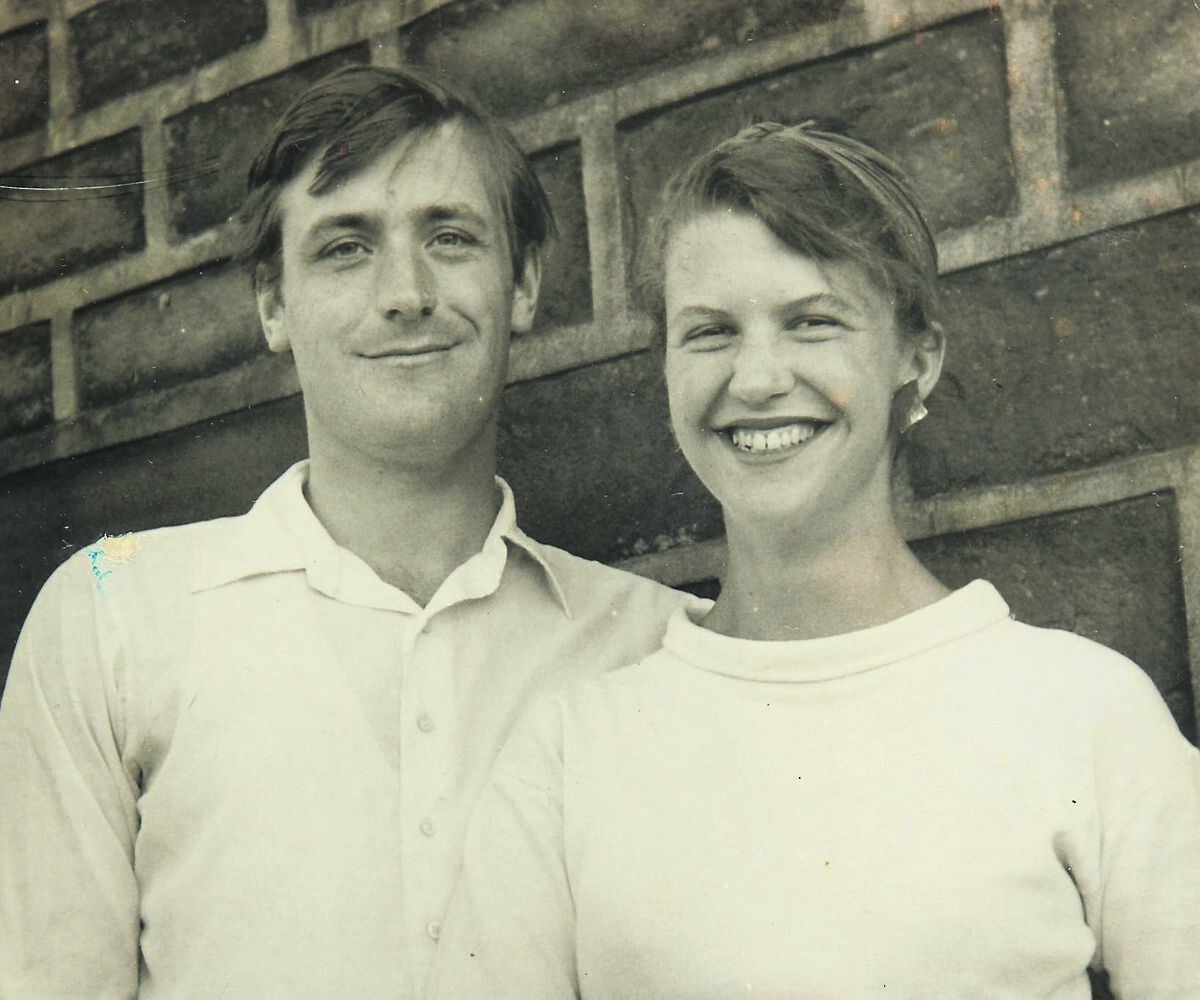
Plath produced some of her finest work in her last year — her book of poems, Ariel, was written in the months leading up to her suicide.
At her own low point, Cullhed was also visited by creative inspiration which led her to write Euphoria.
“I woke up one morning and I had dreamt that I had written a novel about Sylvia Plath. I looked at my old writings, and I realised that I had been referring to Plath everywhere in this text, without recognising it myself,” Cullhed said.
Most of all, Cullhed recognised the often-profound tiredness and disorientation that accompanies motherhood and how it would have affected Plath.
“I felt I could really understand what she had maybe been going through these last months. It all became very clear to me, that she was actually a very, very tired mother of small children. And that was a new insight for me because I’ve always had the idea that Sylvia Plath was mentally ill; I mean, how can you let your children down in that way? That is the most forbidden thing to do as a mother.
“I had also been accusing her in a way for being not responsible and not taking care of her children but now I understood that the caretaker herself has to be tended or taken care of, in a way.”
Like Plath, Cullhed found in her writing the language to express what she was going through.
“I was really trying to make my husband aware of what I was going through, because I wanted him to understand, but also, I felt that there was no language for my experience, because I couldn’t make myself understood.
"Also, I was so tired that I didn’t even have the energy to talk and to describe everything. And in that state, I really needed to write. So I turned to Sylvia and I just found so much.”
Cullhed says she was particularly inspired by the publication in 2018 of the letters that Plath wrote to her psychiatrist Dr Ruth Beuscher in the three years before her death.
“They were really helpful because she tells her story in a crystal-clear way, quite contrary to what we have been told. She knows that she is very fragile and that she is left in a very vulnerable situation. There is real clarity.”
Cullhed says she was well aware of the challenges of writing a fictionalised portrayal of a life which has been exhaustively chronicled both in academia and popular culture — especially in terms of Plath’s relationship with Hughes. However, her focus was to get the words down on paper first.
“As a writer, the challenge is always how to tell this story in the best way. I was preoccupied with that. And I was really trying to invent a way of approaching the material and how to bring Sylvia to life.
“I found a tonality and something that resonated with Plath’s temperament and the sensitivity and the strong force she carried. I knew that I was going to portray a woman and an artist who in her last year was actually writing the greatest poetry that she’s ever written.
“She was really on the brink of letting her own literary register stand there at its fullest, in a way. She’s approaching the ambivalence of motherhood in a very beautiful way, a very strong way.”
For Cullhed, there was a profound thrill in finding a way to capture Plath’s story.
“I knew that I was going to grasp all of this through the language, and all of a sudden, I felt that I could, and the story unravelled itself. I could write it and as a writer, if you feel that, that is euphoric for real.
“As you’re in the writing process, at a point you have to go through all the ethical questions and you have to ask yourself, ‘Is this respectful?’. All of that had to come, but it had to come when I had written the story.
“Of course, I’ve been a bit scared afterwards but I think that is the thing with art, you have to go the whole way, if there is to be anything.”
Ultimately, Cullhed says she felt an overwhelming sense of compassion for Plath, whose story was representative of the unfair pressures put on women by society of the time, and wonders how things could have been different.
“It is just impossible to judge her. I also feel the deepest respect for her, that she was too alone in all this.
"Also because of how society was formed in those days. That is what makes it all really heartbreaking, that she was really on the brink of modern society in a way, the women’s liberation movement that was going to change things for real.”