Beth Orton on Ryan Adams' behaviour, Andrew Weatherall and her new album
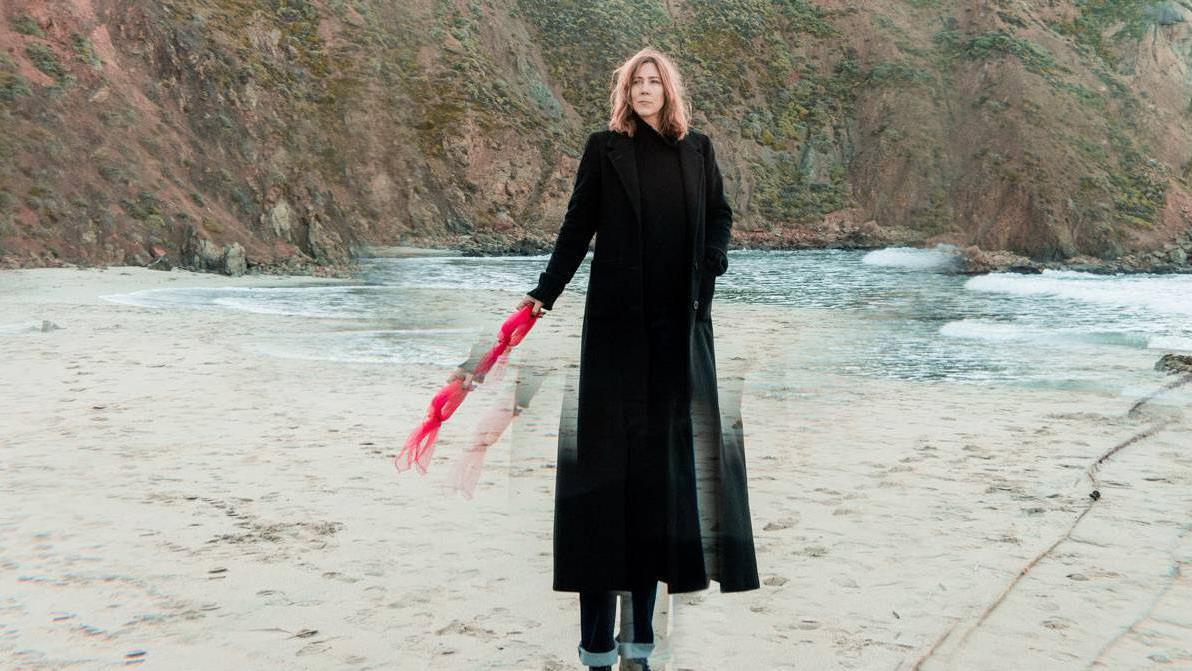
Beth Orton releases her eighth studio album, Weather Alive.
Beth Orton’s eighth studio album Weather Alive has been five years in the making. The Norfolk-born singer-songwriter first came to prominence with Trailer Park (1996) and Central Reservation (1999), two albums that helped define the era for many.
She suggests an uncomplicated approach towards songwriting which first began with just an acoustic guitar on those early records. The 51-year-old returned to that more simpler methodology after finding “a beaten up old piano” in Camden Market which now sits in a shed at the bottom of her garden.
“I went back to an instrument that I didn’t know well but loved. I don’t consider myself a pianist but when I started I didn’t consider myself a guitarist or a songwriter. I found myself simplifying, I would play a note which would evoke other nuances, there was a beautiful resonance.”
At the time she didn’t have a record deal, was living in London and her children – a 15-year-old daughter, and 11-year-old son - had started school again.
Weather Alive’s title track is an immediately arresting and textured sound which is in stark contrast to the more electronic sound of her previous album Kidsticks (2016).
“This record was born of isolation”, explains Orton, “I wasn’t interested in bringing other musicians in, I have relied on collaboration in the past, I went into this wondering what I could conjure on my own.”
Seasoned jazz drummer Tom Skinner, who currently plays with Radiohead’s side project The Smile, was the first musician invited to work on the album. Orton has particular affection for Skinner’s contribution to the album’s closing track, Unwritten.
“I’m very particular about that song, that’s where the whole thing started,” recalls Orton. “Tom then brought in Tom Herbert on bass and that’s how it became more of a band record.”
As well as Skinner, she assembled a fascinating array of musicians to play on the record. Among them was Alabaster dePlume (Angus Fairbairn) on sax. Orton had been enjoying his expressive instrumental work and sent him an invitation to play on the record.
“It was like a palette of colours and it started to flow, I had been listening to his record To Cy & Lee (Instrumentals Vol.1) that he did in 2020 and I just fell in love with it, it’s incredible. I had this wonderful period of three months sculpting the record and what had been brought to it, this record is like the weather, it began to take on a life of its own.”
Perhaps one of the most evocative tracks is Arms Around A Memory, featuring a nod to both New York and Johnny Thunders.
“He played sax through the track and I said what about playing just at the end like in a New York subway when you hear the sax, it’s the most New York sound you can get. The Johnny Thunders song, You Can’t Put Your Arms Around A Memory, was a song I very much grew up with as a kid. It was the song my brother played when my mum died.”
Orton lost both her parents when she was still just a teenager.
“The song imparted the message I guess, all my life I learned everything through song, that’s been my flex. The lyrics were very meaningful to me and are just so poignant.

"Arms Around Around A Memory was in some ways about having my daughter and kids and to not let go of life when it came to me and make a choice to embrace having a family under difficult circumstances.”
It’s at this point Orton’s daughter arrives at the door, at first mistaken for the family dog.
“She’s 15 and going to the park to hang out with friends, all the stuff that’s happening now would have happened in a gentle way over the last few years, it’s hard to know who got more affected by the pandemic, I think the ripple effect continues it doesn’t matter who you are. We are living in very difficult and very interesting times.”
Orton has enjoyed a successful string of collaborations that include William Orbit and The Chemical Brothers, it was while working on the album she heard about the loss of two others, electronic music legend Andrew Weatherall and American producer Hal Willner. Both men were widely recognised as mavericks in their field and their loss was keenly felt by many in the music community.
“Hal was such a one-off, we need people like him, those exceptional and eccentric people who love and inspire. Also with Andrew, our working relationship was really special, he allowed me to dig into my songs.
"Selfishly, I would have liked to have continued working with him and he was gone. I regret that I didn’t, we could have gone very far. He went on to do some amazing work with other people.”
It was back in 2002 that Orton worked with Ryan Adams, when the pair co-wrote This One’s Gonna Bruise which features on her
Daybreaker album.
The American singer-songwriter has since had allegations of sexual misconduct in 2019.
“He’s a tricky one,” says Orton. “What’s come up is very important, an abuse of power is an abuse of power whichever way you cut it! I have specific feelings about what it means to be a woman in this industry and I do think things need to be called out. People take advantage of situations, songwriting is a perfect way to gaslight someone which is really hurtful.”
Adams wrote English Girls Approximately and released it on his Love Is Hell album two years after they first worked together.
“It’s a bit of a nasty song, I was like ‘Really, that’s not okay’. You can’t say that; creating a whole story that didn’t necessarily happen.
“It’s complex, I don’t want to demystify and I love the mystery around music, I don’t think things should be literal because there is danger in unpicking everything, there is no art left if someone is going to that but to put someone’s passport details in a song, to be that forensic, that’s a tricky line to walk when it’s not based in reality. I can’t speak for Ryan, I don’t see Ryan. The best moment I had was with This One’s Gonna Bruise which happened in the first half hour he walked in.
“He said: ‘I’ve written a song do you want to hear it?’ That’s what I loved about him, that enthusiasm.” Discussing her track 1973 from
Kidsticks, she acknowledges its references to an era that featured Bowie’s Aladdin Sane, Iggy and the Stooges’ Raw Power, and the New York Dolls’ self-titled debut.
“It was a nod and a wink,” she laughs. “My childhood was surrounded by Iggy Pop and punks and all those incredible influences, if I was to go to a shrink they would think I have some kind of OCD about it, I can’t leave any stone unturned… 1973 is the year! I leave these messages in songs but no one picks up, you’re the first person.”
Orton points to three key Scottish musicians whose impact on wider music is immeasurable. “I grew up with Dougie MacLean when I was 8 or 9.
My mum’s best friend married him so his records and music in those early years were a big part of my childhood. He was also a big influence as a person. John Martyn was my next big influence. I’d not heard anything like that before, I just adored him. It’s the directness, emotional honesty and the music which was kind of experimental, it had this soundscape, it wasn’t straight ahead acoustic.”
The final key guide from this triumvirate of Scottish luminaries was Bert Jansch who would invite Orton to appear on his memorable Black Swan (2006) album.
“Bert gave me guitar lessons and suddenly I was playing with him on stage, that was my lesson,” she recalls.
Decades later, all those influences are still bearing fruit.
- Weather Alive is released on Friday, September 23