Book interview: Russia Upside Down is a radical view from a former CIA recruit
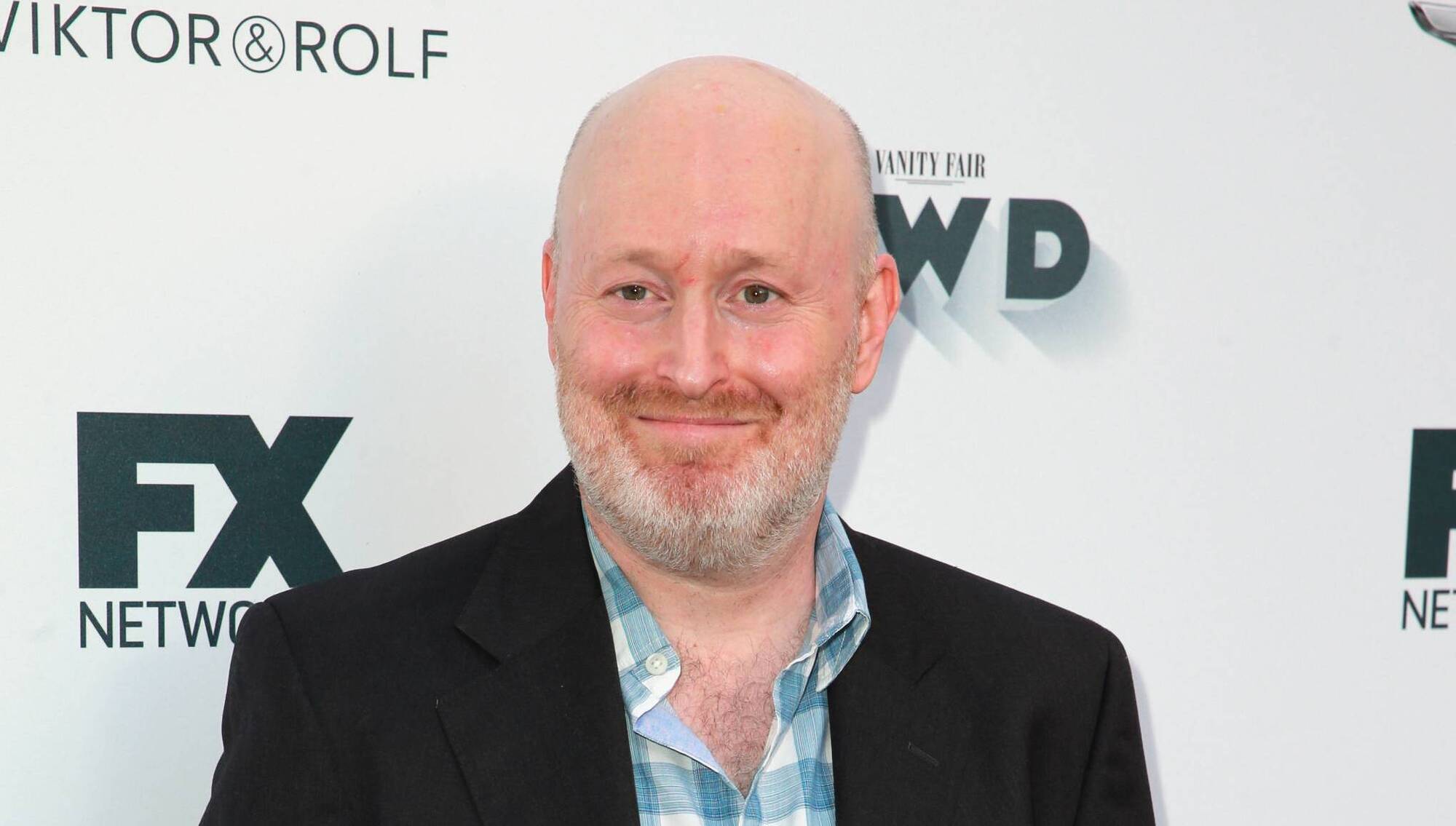
Author Joe Weisberg claims that ending US sanctions against Russia could be a useful step to reduce tensions. Picture: Rich Fury/Getty Images
MOST western authors writing about contemporary Russian politics tend to present a narrative that doesn’t try to hide its obvious ideological bias. Typically, it’s pro-Washington and anti-Kremlin.
This western-centric story stresses how Russia’s patriotic-aggressive brand of social conservatism fits perfectly with a political mantra that, under current president Vladimir Putin, follows three dominant themes — prestige, power, and pride. However, does the headline-grabbing image of Putin as a deceitful Machiavellian murderous political cynic, devoid of any credibility, really stand up?
“Putin is at the very least complicit in poisoning some of [his political opponents],” Joseph Weisberg explains via a Zoom call from a hotel in New York. “But simply dismissing Putin as a killer is not a very sophisticated way of looking at the world,” says the 56-year-old Chicago-born author, and Emmy award-winning television writer and producer.
“Putin has also done some things for his country that are important and impressive in the political arena.”
This is Weisberg’s central thesis in Russia Upside Down. The book doesn’t have a pro-Putin agenda but it aims to understand Russia, and the Putin mindset, from an objective perspective. Weisberg believes if the West wants to build friendlier ties with Russia a new kind of diplomacy is urgently needed. He calls it “self-aware politics”.
It insinuates that political beliefs always come with their own set of prejudices and a psychological self-examination of these unconscious cultural values will help individuals, and nations, better understand their enemies.
Weisberg points to Russia’s attempts in recent years to undermine US democracy, most notably in the sophisticated and aggressive online campaign that is said to have contributed to Donald Trump’s victory over Hillary Clinton in the 2016 US presidential election. Weisberg claims Putin’s fears about US interference in Russia’s internal affairs, “even if they included some paranoid elements, were largely justified”.
Specifically, Weisberg points to western NGOs that support human rights groups and election monitoring in Russia. “When the United States supports those groups, it’s pretty obvious that a leader of a country where you’re doing that can reasonably say you are now involving yourself in our internal politics, so if Putin then launches this pretty rough campaign to interfere with US elections, it stops looking like this aggressive nation brutally attacking the system out of nowhere, and it actually starts to look more like a back and forth tit-for-tat between Russia and US, where Russia is simply taking the next step.”
Weisberg didn’t always take such a nuanced approach to east-west relations. He was once a hardline US patriot who viewed the Cold War as a game of good versus evil. In 1990, this hawkish anti-communist world view even inspired him to join the CIA, where he was placed in the division that spied on the Soviet Union. He never went on a mission and didn’t progress beyond the CIA trainee programme.
Nevertheless, that brief spell at Camp Peary — a CIA training facility known as “the Farm” in Williamsburg, Virginia — gave Weisberg a close insight into the murky underworld of international espionage.
“It became increasingly clear to me, reading through a lot of information at various desks within the CIA, that it was bureaucratically attractive to recruit people into the CIA, even if 95% of the cases were not effective at producing useful information,” Weisberg explains. “So I really began to question the value of espionage in general.”
Weisberg’s three-year spell as a spy recruit stood to him a few years later when he created an award-winning spy drama he also acted as executive producer on.
The Americans ran for six seasons between 2013 and 2018 on the FX television network in the US and told the story of two KGB-Soviet spies during the Reagan era. Philip and Elizabeth (played by Matthew Rhys and Keri Russel) masquerade as a typical Washington DC couple, while their children, neighbours, co-workers, and friends are completely unaware of their secret espionage activities on US soil.
“My time in the CIA gave me a great deal of inside experience to see how the life of spies actually works” says Weisberg. “US spies I worked with lied to their kids about what they did and who they really were, and I don’t think it would have occurred to me to put that kind of detail at the core of television drama if I hadn’t worked at the CIA.”
The second half of Weisberg’s book turns its attention to the new cold war that has emerged between Russia and the US since 2014, following Russia’s annexation of Crimea, and a proxy war that began (and continues today) in the Donbas region of eastern Ukraine, between Russian-backed separatist forces and the Ukrainian military.
The US has reacted to Russian aggression in Ukraine with economic sanctions that have sabotaged the Russian economy. However, Weisberg claims that ending sanctions against Russia could be a useful step to reduce tensions.
“The United States has essentially appointed itself as a policeman who is going to punish Russia for behaviour they don’t like but it’s not the job of the US to step in and attack the Russian economy,” he says.
The outspoken author claims all the evidence hitherto suggests US-imposed sanctions against Moscow don’t work — certainly not for bringing political harmony to the international order.
“Years and years of US sanctions against Russia has not deterred negative Russian action,” he says. “Instead they seem to provoke and encourage more Russian aggression against the West. So if sanctions are not working, why not stop them?”
Weisberg also claims Putin’s concerns about Nato’s eastwards expansion since the turn of the millennium are legitimate and justified.
“If you go back to 1991, when the Soviet Union collapsed, there was unwritten assurances between the West and the Soviet Union that if Mikhail Gorbachev allowed German unification, Nato would not expand to the east,” says Weisberg. “But very shortly after that, Nato started expanding to the east, moving militarily closer and closer to Russia, and taking in members that had formerly been part of the Warsaw Pact. So it’s pretty understandable that any large nation would feel threatened and encircled by that.
“Also, when the United States puts an anti-defence missile system right in the middle of Russia’s backyard, in Eastern Europe, how is that going to look to Russia?”
Weisberg’s book concludes its analysis of Russia at the beginning of 2021, but the political tensions that have developed between Russia and Ukraine in the interim opens up his central argument to many flaws.
In recent weeks US intelligence has estimated that Putin has deployed up to 175,000 Russian troops on the border to its nearest and most hostile neighbour. Those numbers keep on changing in a media narrative that contains a great deal of guess work, speculation, and political predictions based on intuitive feelings rather than indisputable facts.
One side of that story insinuates that Russia is inching closer and closer to launching a full-scale invasion of Ukraine. However, Putin keeps on insisting to the West that Russia has no strategic plan to either invade or annex Ukraine entirely. Still, many western diplomats aren’t convinced. They are expressing concerns that the political deadlock between Russia and Ukraine could spiral into a devastating military confrontation not witnessed in Europe since the Second World War.
Weisberg believes that if Washington doesn’t want a new Cold War on its hands, it should adhere to two strict guidelines: Don’t interfere with localised political disputes out of your sphere of influence and give Moscow some breathing space. It’s a fairly radical, and even naive, world view —especially given the recent tensions in the region.
It’s certainly not the typical opinion one hears via the average politico or diplomat from Washington to Brussels but Weisberg enjoys playing up to the role of the contrarian outlier who is never afraid to speak his mind.
“You read all the time that if you aren’t tough or you aren’t aggressive [on the international stage], then you will be seen as weak and taken advantage of,” says Weisberg. “But I don’t see much evidence for that being true. I would be in favour of experimenting with a more unilateral approach to geopolitics and if the US becomes less aggressive, it may be that over time that other nations become less aggressive too.”
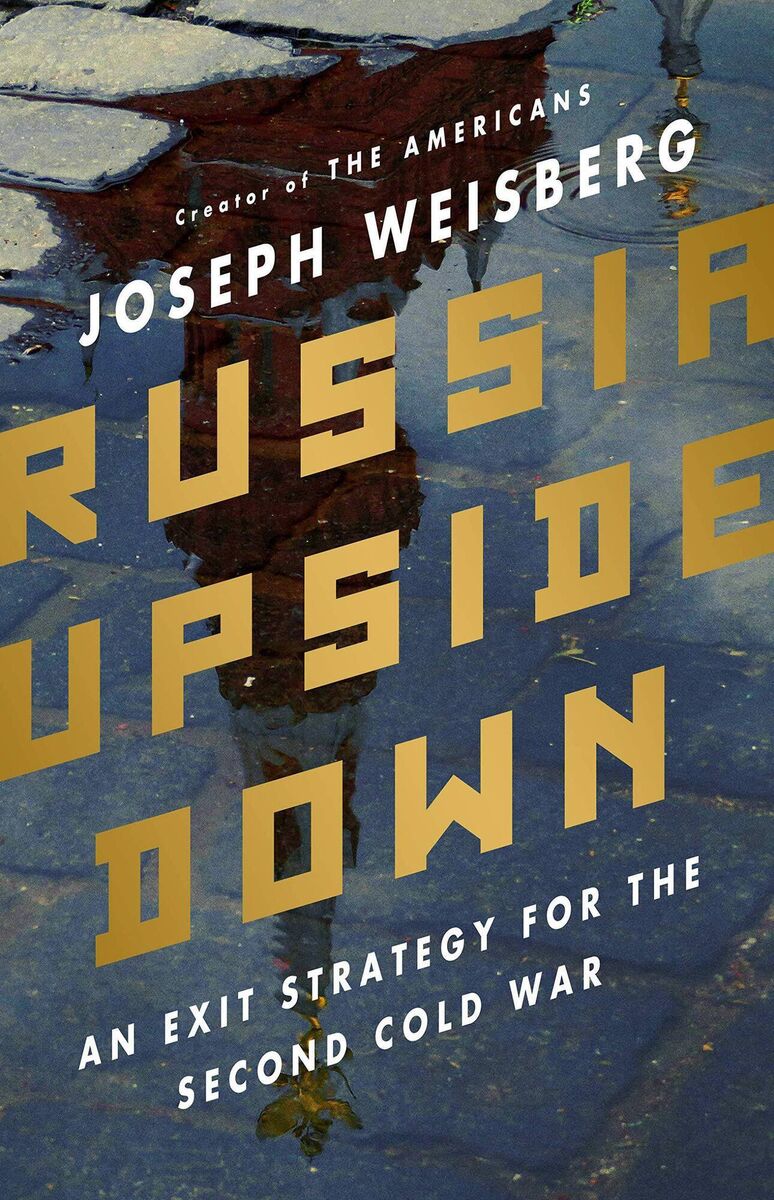
- Russia Upside Down by Joseph Weisberg
- Public Affairs, €26.99