Movie review: Shakespearean quality to House of Gucci renders it a timeless tragedy
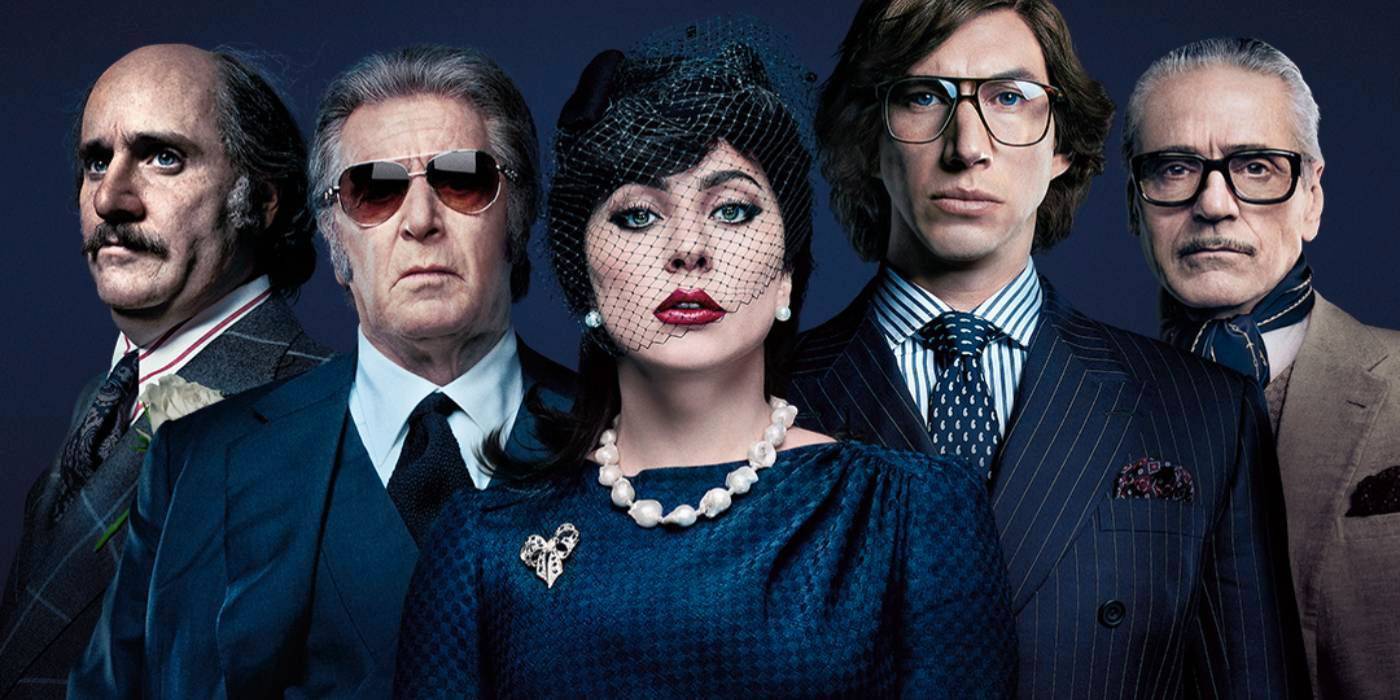
House of Gucci: a tragedy that draws equal parallel to Macbeth and the Godfather
Clothes maketh the man, they say, but in (12A) they prove the undoing of Maurizio Gucci (Adam Driver), an easy-going scion of the Gucci dynasty when first he meets Patrizia Reggiani (Lady Gaga).
A secretary working in her father’s trucking business, Patrizia flirts her way into Maurizio’s affections and quickly sets about reinvigorating a brand that has grown moribund due to the conservative, laissez-faire approach of brothers Rodolfo (Jeremy Irons) and Aldo Gucci (Al Pacino). Driven and ruthless, Patrizia embarks on a campaign to oust the older generation and install Maurizio as the figurehead of a more dynamic Gucci label.
There’s a Shakespearean quality to that renders it a timeless tragedy, as Patrizia quickly transforms herself from a wide-eyed ingenue into a Lady Macbeth who manipulates her husband into committing all manner of betrayals in order to take the reins of power. A more contemporary reference is , if Brando & Co. had been engaged in peddling high-end fashion: either way, Ridley Scott’s film, which is adapted from Sara Gay Forden’s bestselling book of the same name, is a wholly absorbing drama of greed, vanity, vaulting ambition and eye-popping couture.
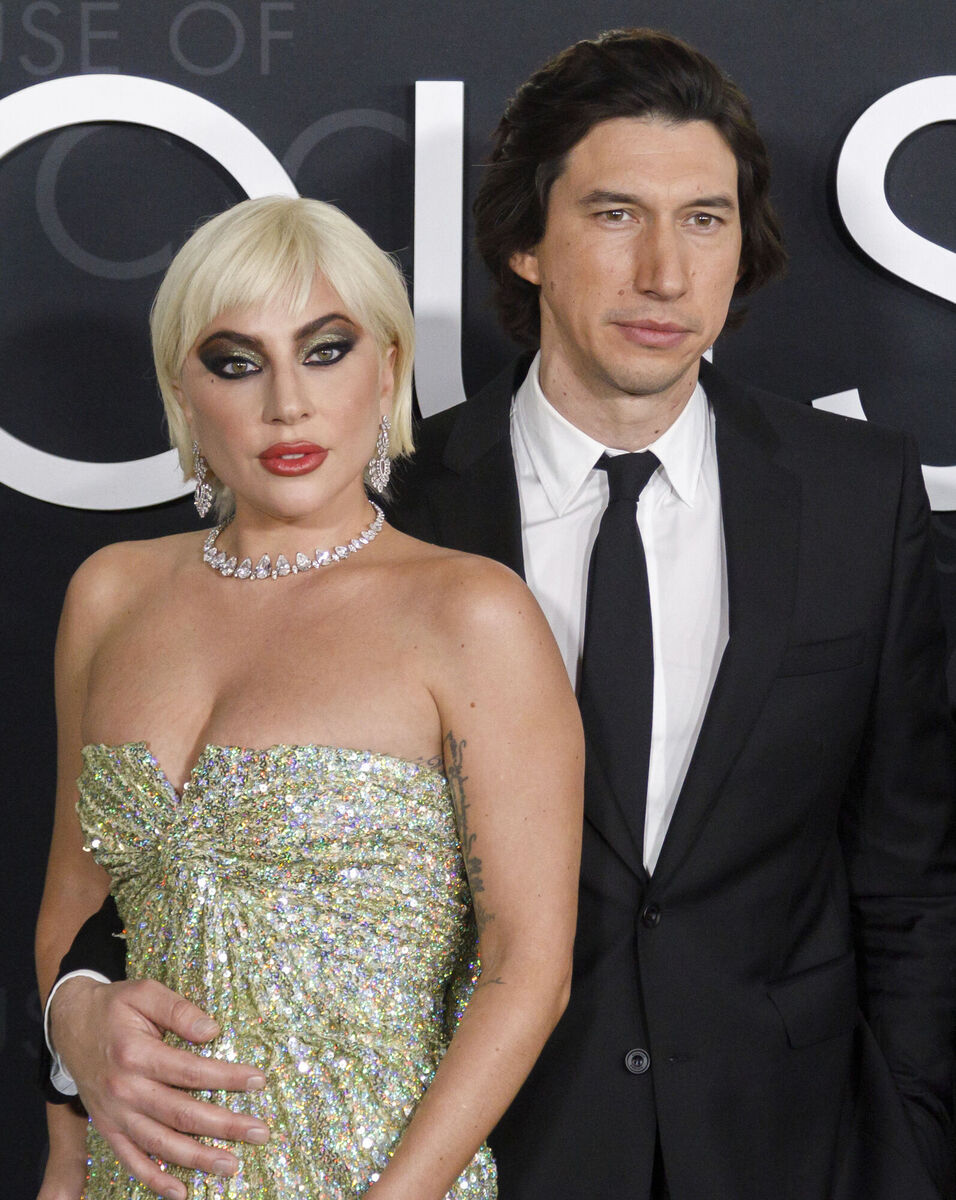
The cast is superb, with Al Pacino deliciously oily as the corrupt Aldo and Jeremy Irons icily disdainful as the patrician Rodolfo, and Adam Driver is terrific as he morphs from a callow goof into a cold-blooded autocrat.
But it’s Lady Gaga, bearing an uncanny resemblance to a young Sophia Loren, who dominates proceedings with her full-blooded portrayal of a young woman who is determined to grasp the brass ring and never let go, no matter what the cost. (cinema release)