Adiba Jaigirdar: We Are Lady Parts is a TV show that gets Muslim representation right
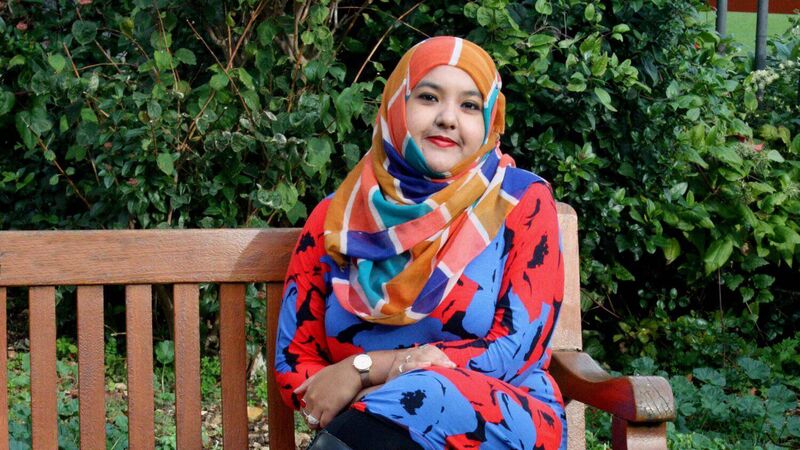
Adiba Jaigirdar (pictured) says We Are Lady Parts is the kind of representation that she, as a Muslim woman, wants
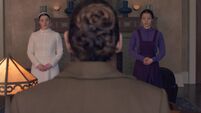
British sitcom We Are Lady Parts opens with its main character, Amina Hussain, sitting on a couch, sandwiched by her parents, entertaining a potential suitor and his family. That’s not atypical of media representation of Muslims, which is often only capable of portraying Muslim women as one-dimensional entities written to either fit into, or break, the mould of their stereotypes.
But We Are Lady Parts doesn’t go where you would expect. While Amina sets about trying to impress the potential suitors with more conservative Muslim values, her parents hilariously butcher her chances by suggesting she play the guitar (which her suitor’s family deems “haram”), by talking about Amina being “pre-menstrual,” and by bursting into song at an inopportune time.
These are not the kind of Muslim parents that the media allow us to see: The ones who are loving, embarrassing, and want the best for their children. Nor is Amina the typical female Muslim character we are presented with in the media: She is the one pursuing marriage to a suitable Muslim boy — not because it is deemed necessary by her family, but because she’s a hopeless romantic.
And this is the perfect opening scene for We Are Lady Parts, because it’s not a show that sticks to the kind of Muslim representation we’ve seen before. Instead, it turns stereotypes on their heads, and presents us with five Muslim women who are clever, funny, flawed, and — most importantly — fully fleshed out characters.
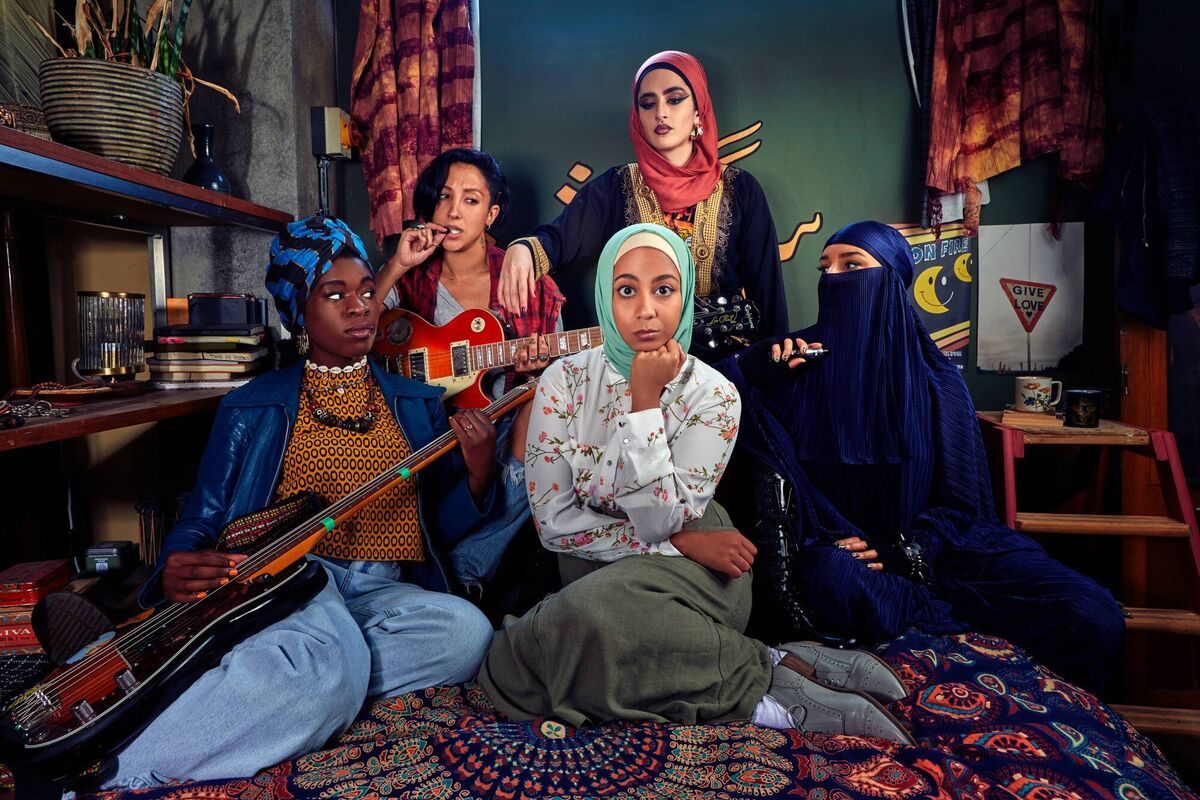
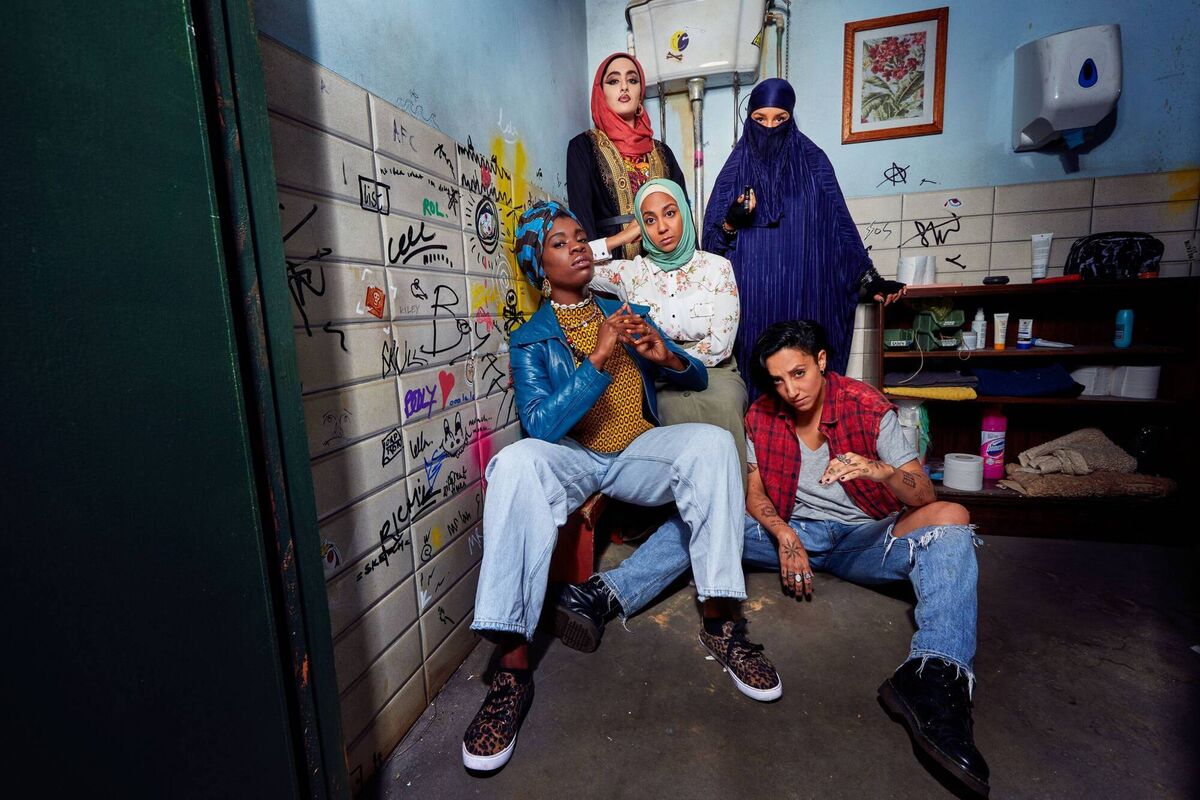
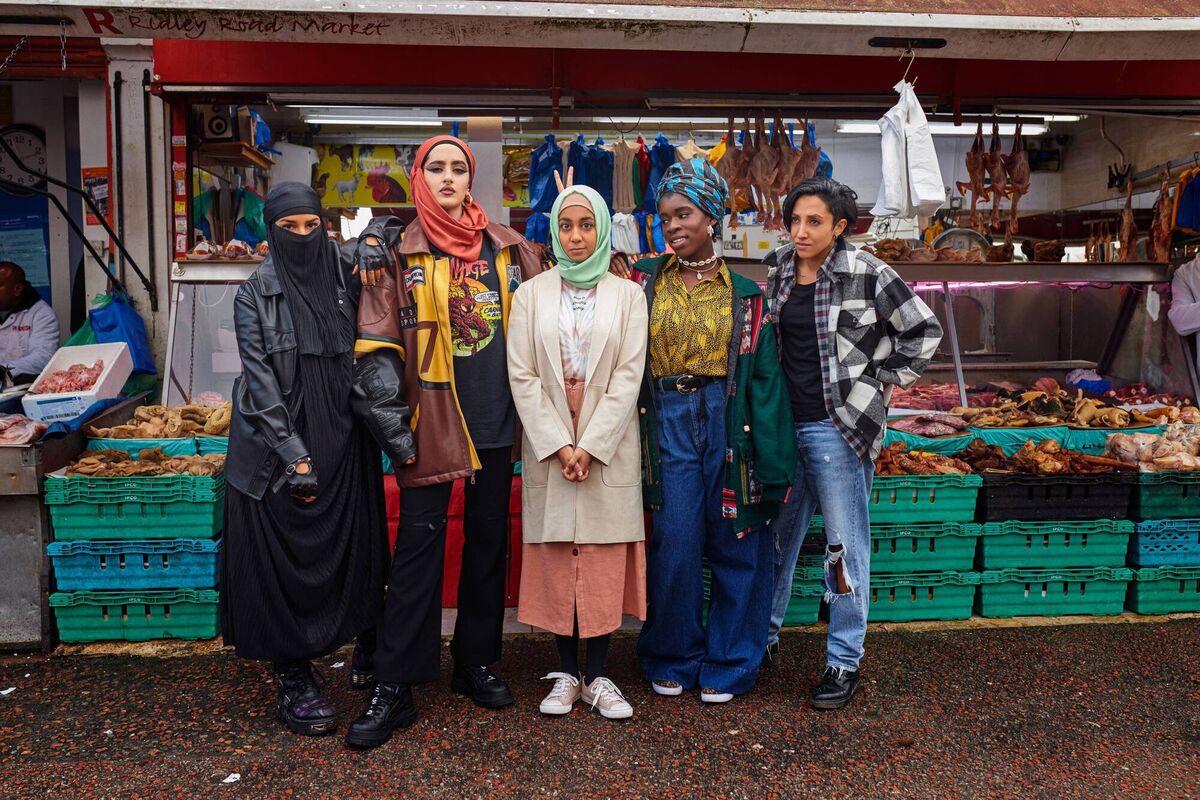
The show is the tale of Lady Parts, an all-girl Muslim punk-rock band. It’s a breath of fresh air because it doesn’t limit its Muslim characters to a single characteristic. Instead, they’re all nuanced and complex human beings, who love their music, have their own personal connections with their faith, and deal with problems both inside and outside of their music. Their struggles don’t revolve around being Muslim, and their identities don’t exist in relation to their faith.
As a Muslim viewer, there was so much that I related to on the show, which is, unfortunately, rare. There is also a diversity of Muslim characters. None of the women are defined by, or presented in relation to, their clothing choices, as Muslim women often are. In fact, when Momtaz is asked why she chooses to wear the niqab, she responds: “It makes me feel close to God, which is obvs really nice in these crumbling times, but wearing it makes me feel confident. Like queen Nefertiti or Beyoncé” … which is hilarious and also just rings true for so many Muslim women I know. Many Muslims choose the veil to connect with their faith and feel closer to God, but so many of us also feel incredibly empowered by it.
When it comes to Muslim representation, we’re used to shows where a woman taking off her hijab to please a non-Muslim man is a stereotype; where Muslim women are meek and oppressed by their religion; where their parents, culture, and religion are obstacles to their big dreams. We see this in shows like Elite, where Nadia removes her hijab to be with her white non-Muslim boyfriend, or in movies like Hala, where skateboarding hijabi Hala’s obstacles are her parents, culture, and faith; and her support comes from a white non-Muslim boy.
In fact, representation for Muslims in the media is so bad that in recent years, film buffs Sadia Habib and Shaf Choudry took inspiration from Riz Ahmed to create The Riz Test. It’s similar to the well-known Bechdel Test, which measures the representation of women in the media, except the Riz Test measures how Muslims are portrayed in the media. The test asks a few questions. If a film or television show includes a character who can be identified as Muslim, are they:
1. Talking about, the victim of, or the perpetrator of terrorism?
2. Presented as irrationally angry?
3. Presented as superstitious, culturally backwards, or anti-modern?
4. Presented as a threat to a Western way of life?
5. If the character is male, is he presented as misogynistic? Or, if female, is she presented as oppressed by her male counterparts?
If the answer is yes to any of the questions, that film or television show has failed the Riz Test.
The problem is that so much popular media fails the Riz Test. This includes Emmy-nominated show The Bodyguard (which fails all five of the questions), and even Disney’s Aladdin. This speaks to the wider problem of Muslim representation in the media, which really gives us few, if any, stories that feel authentic to our lives.
Even in media where Muslims barely exist, we only get to be harmful stereotypes. And this kind of representation is dangerous to real-life Muslims. In March of this year, UN expert Ahmed Shaheed presented a report suggesting that anti-Muslim hatred has risen to epidemic proportions. In his report, he claims, “Harmful stereotypes and tropes about Muslims and Islam are chronically reinforced by those working in the mainstream media, powerful politicians, influencers of popular culture, and academics.”
This is why we need more shows like We Are Lady Parts, which is nuanced and real in its representation of Muslims. We need media that allows Muslims to be ourselves, to tell our authentic, diverse stories. Saira describes Lady Parts as “sisters who pray together, play together, speaking our truth to whoever can be asked to listen”.
And this is the kind of representation that I, as a Muslim woman, want: Representation that speaks our truth to whoever can be asked to listen.