To The Lighthouse review: A gloriously ambitious and inventive production at Cork Midsummer Fest
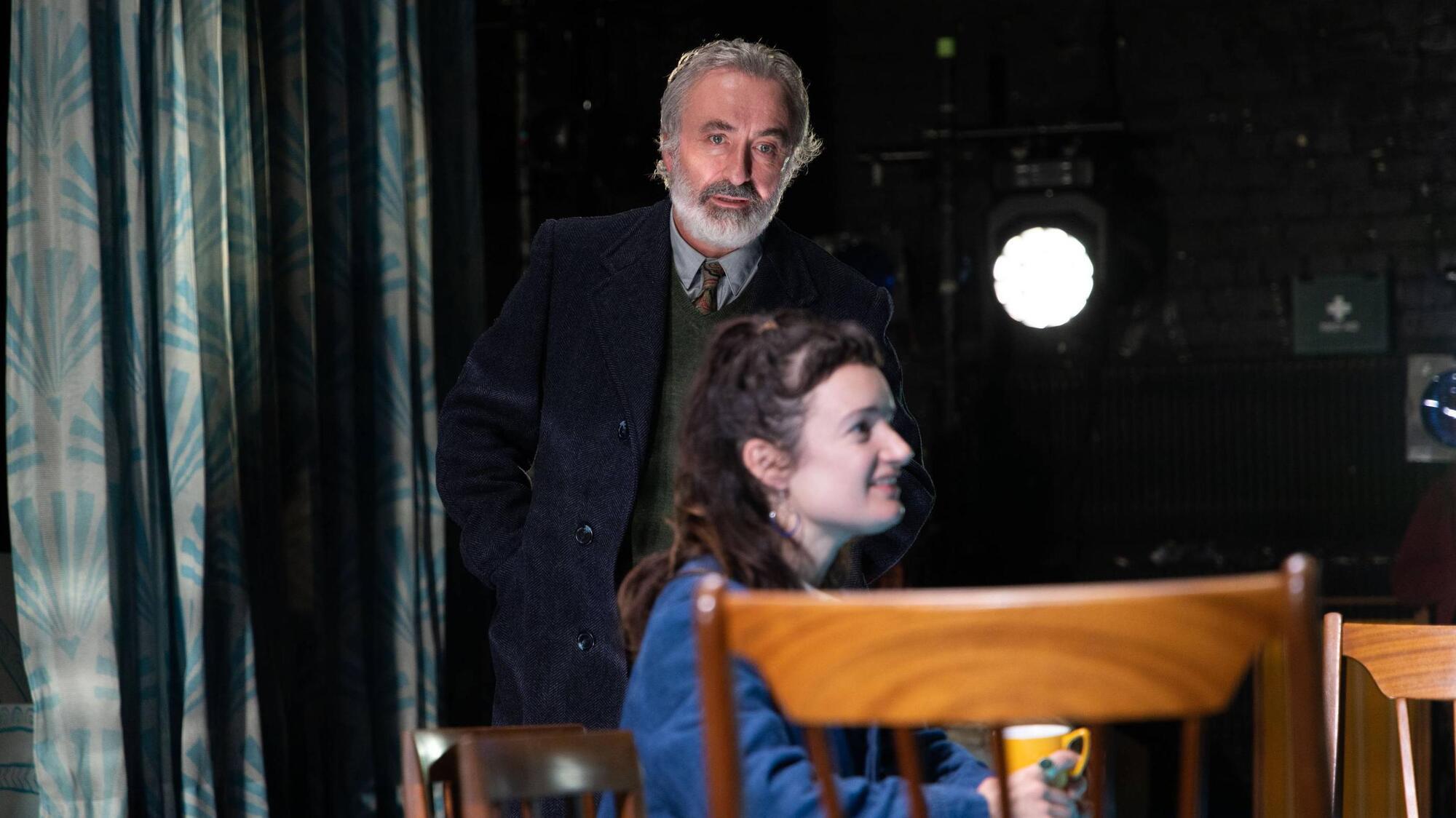
Declan Conlon and Aoife Duffin in To The Lighthouse at the Everyman. Picture Darragh Kane
“What is the meaning of life?” asks Lily Briscoe in To The Lighthouse. It may be, as she says, a “simple question” but it is one that underpins this profound meditation on life, love, loss, the meaning of art and the role of a woman in society.
This adaptation of Virginia Woolf’s modernist masterpiece by Marina Carr is a hybrid of film and theatre, a world premiere recorded on The Everyman Stage as part of the Cork Midsummer Festival. What it lacks in immediacy in terms of a live streamed performance, it gains in terms of creative latitude, with director Annabelle Comyn bringing her distinctive and inventive vision to the production.
The story stretches from before the start of World War I to its aftermath and centres on the Ramsay family and their guests who are visiting their summer home in the Hebrides. Woolf’s language is at the heart of Carr’s skilful adaptation, the inner stream-of-consciousness monologues of the book given voice, making for a striking melange of private thought and public pronouncement.
“Pray the inside of my mind is not exposed,” says Mrs Ramsay. But this is exactly what Carr does, exposing the insides of the characters’ minds, making audible to us all the often cruel and poisonous thoughts that are masked with treacly assurances and fake sincerity.
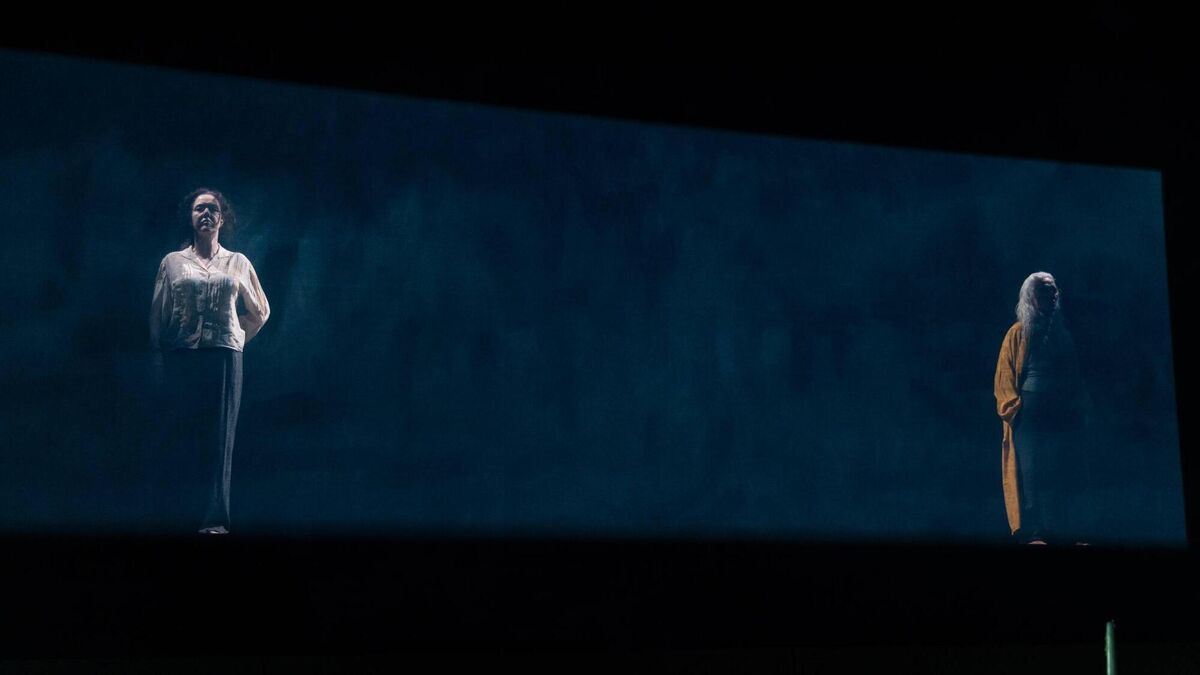
The relationship between Mrs Ramsay (Derbhle Crotty) and Mr Ramsay (Declan Conlon) is foregrounded from the outset, as their feelings for each other go from admiring and supportive to scathing and dismissive. The tension that was at the centre of Woolf’s life as a woman making art is obvious throughout.
“Women can’t paint, women can’t write,” pronounces Charles Tansley (Colin Campbell) as Lily (Aoife Duffin) battles with self-doubt to paint her ‘little picture’ while Mrs Ramsay makes marriage plans for her.
The waves crash and retreat as plans to visit the lighthouse are put off. Death, loss and war intervene, and without the stabilising force of Mrs Ramsay, the characters flounder, all at sea, literally and metaphorically.
In a strong cast, Crotty is outstanding as Mrs Ramsay, not an expression or movement wasted in her performance. Aoife Duffin as Lily and Olwen Fouréré as Carmichael come into their own in the second half as they grapple with the existential questions at the centre of the play.
Aedín Cosgrove’s chameleonic set works wonders, offering a glimpse of forest through gauzy drapes, a mirrored floor reflective in more ways than one. There are some glitches with the sound, and, clocking in at two hours 10 minutes, it perhaps asks a lot of audiences’ lockdown-addled concentration spans.
However, it is a gloriously ambitious and inventive production; Woolf and Carr are an inspired match, the Irish playwright detecting the absolute truths of Woolf’s work with laser-sharp focus and mining them to their fullest effect.