Book interview: Decluttering is not about clearing out but how we shop
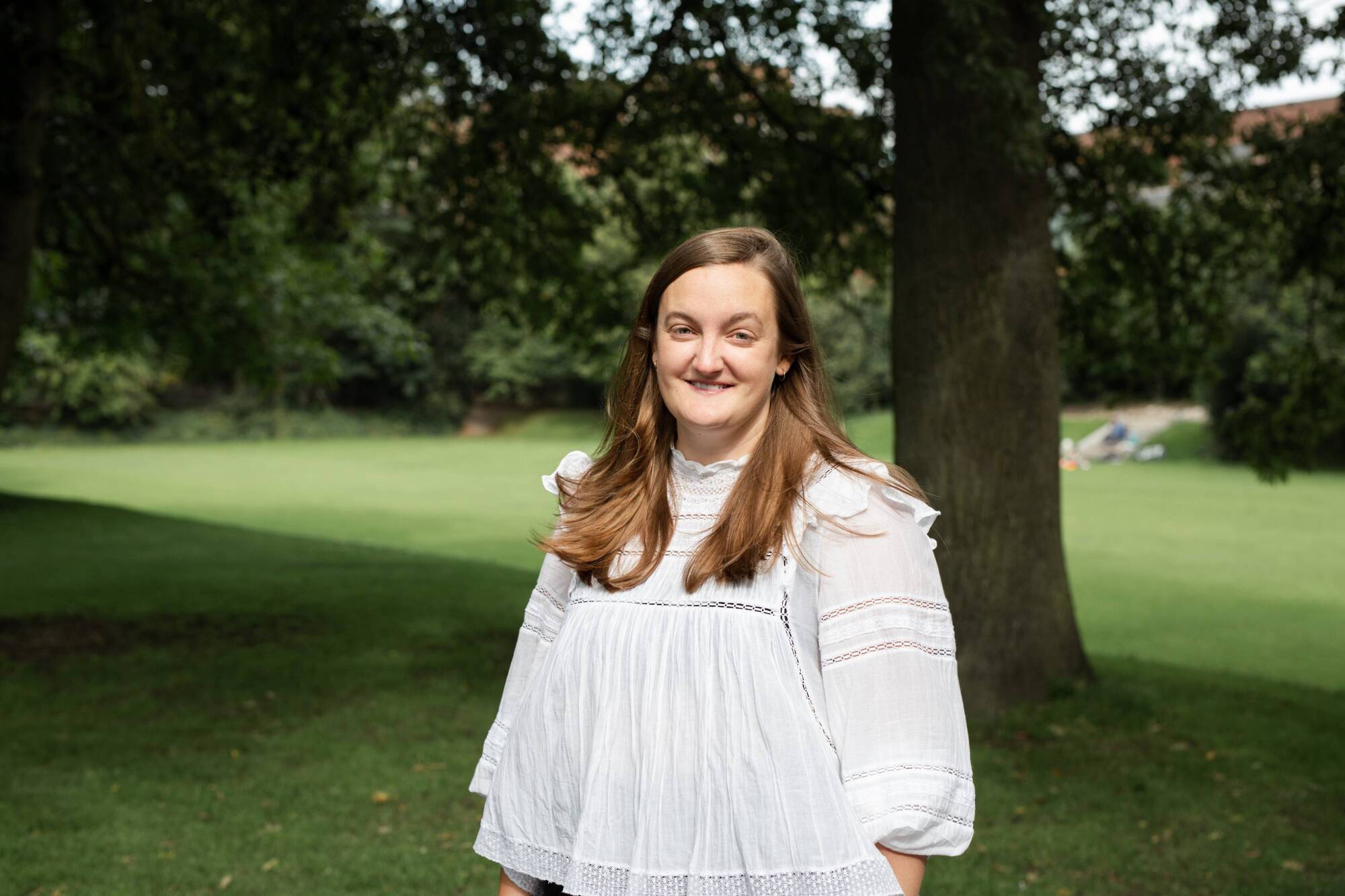
Emma Gleeson Stuff Happens
AT first glance, Stuff Happens appears to be about decluttering with tips on culling cupboards, setting expensive items free (author Emma says - get rid of it- the moneys gone), getting over the ‘It’ll come in handy someday’ hurdle and handy hints for storage. Delving in, the declutter devotee won’t be disappointed - Emma advises to take each room/ item ‘bird by bird’ – however sticky questions arise as to the hidden cause of clutter, one that perhaps the serial declutterer would rather not address; shopping, consumer culture and the myth that stuff brings us happiness.Â
For those expecting a house clearing manual, you’re in for oh-so-much-more, learning that there are more ways to declutter than just getting rid of stuff. Dublin author Emma captures us with the unexpected and often raw story of how understanding the phenomena of first-world clutter helped overcome her mental health struggles.

Passionate environmentalist Emma states ‘I’d always enjoyed tidying; it was an anxiety crutch, loving the feeling I had at the end of it. When studying a Masters in fashion history I dived into the world of sustainable fashion. On discovering that textiles are the highest stream of household waste, I became completely radicalised. When we talk about clutter, shopping is the elephant in the room; no one is talking about how the stuff is getting into the house in the first place.’Â
The author tackles advertising psychology, linking objects to emotion. Sigmund Freud’s nephew, Bernay, invented this PR system using his uncle’s psychoanalysis. If you’ve ever considered the absurdity of an ad depicting a mystical like female in swathes of silk lounging about the Eiffel Tower with some Adonis type mortal, this is a typical Bernay approach, using subconscious lifestyle desires for the benefit of companies trying to increase sales. It sells fantasy; that life’s enhanced by the purchase of a perfume, holiday, gadget or whatever.Â
‘Research reveals that the fashion industry has taught us to hate our bodies to sell products. Encouraging women to feel bad about themselves is big business’ Emma describing bathroom clutter ‘bought with our aspirational selves in mind.’ Clever marketing teams and PR gurus plant seeds into our subconscious, leading us to live our lives in cluttered mess.

New needs invented all the time, corporations defend themselves claiming they are simply responding to our desires. ‘Neoliberal ideology wants people to see themselves not as part of community, but in an economic survival of the fittest in a race for resources and wealth.’ ‘My 20s was filled with depression. I worked in costume design and for NGO charities. I could be in London, working for a sustainable clothing NGO, reading about sweatshops day in day out, but as writing is what I wanted to do, this is my roundabout way of getting people to look at the subject. My main message is, if we care about what we buy, it will help our mental health, our homes, the people who make our stuff, and the planet we live on.’
‘Decluttering your home without looking at how you shop is like going on a crash diet; it's completely useless and you’ll feel worse when stuff builds up again. With so many books about decluttering (think Marie Kondo) I didn’t want another one for the pile. This is about personal responsibility; how stuff actually gets into the house, and how it leaves’ Emma reiterating that ‘you never throw something away; you just throw it somewhere else.’Â
 We should focus on where our stuff is made, how we use it, and where it goes when we’re finished with it. ‘Someone, somewhere has made your clothes; if you pay a fiver for a t-shirt about 1 cent of that goes to those who made it; the amount of clothes ending up in landfill is staggering; we need to get out of the cycle of what we think as a yearly cleanout and what we see as a positive donation to charity; most of it is binned or sent overseas to landfill. It’s not this altruistic charitable donation we think it is; we have to break the cycle and slow down purchasing; that’s how the stuff is actually getting into our homes.’Â
Emma urges us to appreciate the items with which we already share our lives, more important than ever with the magnitude of the environmental crises our planet is facing. ‘The most sustainable piece of clothing is one already in your wardrobe. It doesn’t make economic sense to throw away clothes. Second hand and vintage clothing is cheaper and often better quality; you don’t need money to be sustainable. It doesn’t matter where you shop, it matters how you shop.’Â

Does stuff make us happier? Emma herself states pens populate her desk drawers like an infestation. Did you know, happiness levels are set and relatively immoveable? According to a study, genetics count for 50% of our happiness stakes. Emma says that ‘Struggling with mental health, I read about psychology; there are ten years thinking in this book. Percolating in my mind, the ideas were stacked; I wrote it in three months while preparing for my wedding!’Â
Where is this magical land of ‘away’ where all our rubbish goes? Emma discusses the ‘concept’ of recycling. As ‘carbon footprints’ were invented by the fossil fuel industry, personal recycling was invented by big plastic to avoid doing anything about the waste it creates. Much of the stuff we believe recyclable ends up being burned. Fast fashion’s synthetic oil based fibres spend hundreds of years in landfill. Since China banned Western rubbish, much of it now goes to landfills in South Asia. The rubbish industry, like fast fashion, is hard to track. ‘Globally the supply chain can be eye wateringly complex with a lot of human rights abuses and environmental destruction across the way; it’s very overwhelming.’ In decluttering, she urges people not to buy plastic storage as the world drowns in it.
In preference to ‘Recycle’ (Emma’s preference is a move away from plastics altogether) she welcomes the Reduce / Reuse logo. ‘Like everyone else, I love things, but care about the origins of what I buy and am very conscious of whether I love or need it.’ ‘We live in this Capitalist matrix; it’s impossible to make perfect decisions. I didn’t want to write a book about what you’re doing wrong, a stick to beat yourself up with. I just want you to look at how you shop differently.’Â
Emma describes her book ‘as cluttered with ideas on decluttering’ believing you should have nothing in your house that you do not know to be useful or believe to be beautiful. Viewing something as useful makes us more inclined to repair and maintain it; a thing we see as beautiful will always hold a value. ‘Use and enjoy your fancy candles etc otherwise you are sending a signal that you are not good enough.’Â
Emma asks when did we ever want or need the disposable society created for us by corporate greed, stating that by adopting habits and becoming more informed and engaged customers we can bite back. ‘Every purchase matters; we, consumers, have a lot of power if we act en masse; even a large group of people doing sustainability imperfectly is improvement.
‘Items are not made to repair; repairable is bad for business, Apple being a prime example. A Circular Action Economy Plan with a ‘right to repair’ law is being introduced to combat this throwaway society.’ However, she feels it may be some time before teenagers give up their devotion to dubiously ethical online fashion retailers.
We all have different organisational personalities; some people are clutter blind and don’t see mess, which often encourages creativity and new ideas. With art and Japanese philosophy throughout, this is a book that needs to be on the curriculum, so on reading, our teenagers can change our planet, bird by bird.
- Stuff Happens
- Emma Gleeson
- Penguin Ireland €12.99Â