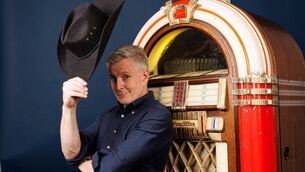
Dr Sinead Kane tells Tommy Tiernan about disability jokes, bullying and overachieving
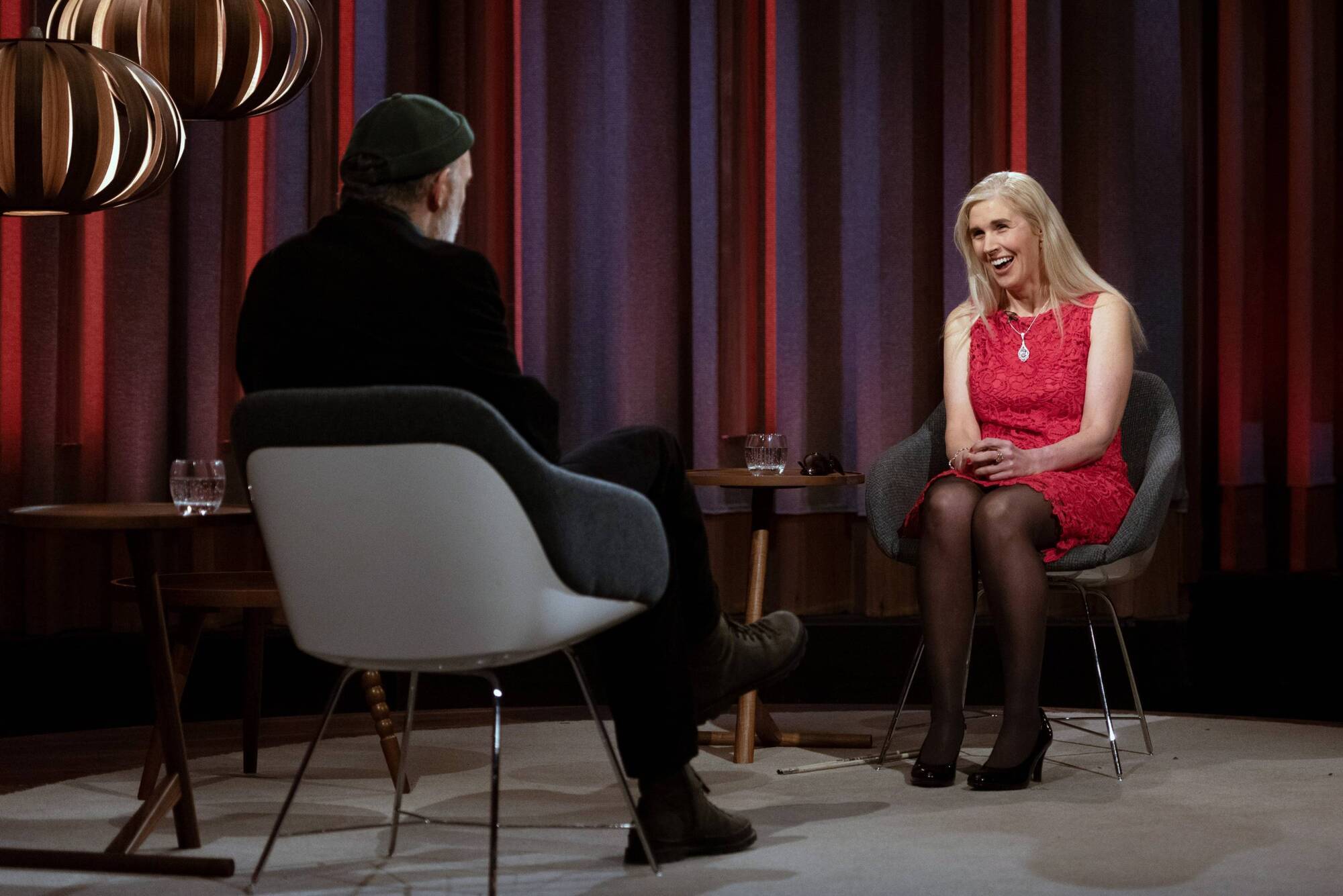
Dr Sinead Kane: 'If I want to prove myself to society, that's internal oppression'
Visually impaired athlete Dr Sinead Kane was among the guests on The Tommy Tiernan Show on Saturday night and she shared her experiences of bullying and explained how hurtful some comments can be for a disabled person to hear.
When Tiernan asked her about making jokes referencing disabilities, she told him she wasn’t a fan of his comedy for a long time after he made some jokes that upset her a few years ago.
“I'll be honest with you, from a few years ago, I wouldn't have been a big fan of yours. But I suppose I've warmed to you. I see empathy within you and I think everybody in society is different,” she said.
“Even though I may not have liked the jokes, the positive side of it was, it brought awareness to disability and it brought a discussion. And I think that's important to realise that not all disabled people agree so some people will find jokes extremely funny. Some people won't find them funny, I think people have this perception that all disabled people agree on everything.”
Kane said she feels pressure to ‘prove herself' because of her disability and she has taken on ultramarathons around the globe and has broken world records.
“Maybe it's internalized oppression. I feel like in society we have ableism and disablism. So, there are other terms for discrimination and if I want to prove myself to society, that's internal oppression that some people overachieve because they want to prove to society [that they are ‘worthy’].”
Dr Kane said she first experienced discrimination in school. As many of her family members are visually impaired, she said school was the first place where she felt different to everyone else and the bullying she experienced made it difficult for her to trust people as she grew up.
“I was bullied in primary and secondary school. In my family, because we're all visually impaired, it all felt very normal. And then when I went into school, I very quickly realized that I was the only person wearing black-shaded sunglasses. I was the only person who had a little cane. I was the only person in my school who had a disability,” she said.
“They started to call me names. They'd hide my school bag, they'd hit me. Whoever drew blood was the winner of the game. That had a big impact on me, and I think bullying in life can have very long-term effects on a person, in terms of trust, trust in relationships, trust in friendships.
“I recently saw one of the girls who had bullied me and she walked past me, and I walked past her, and it is what it is. She hasn't apologised to me and that's fine.”
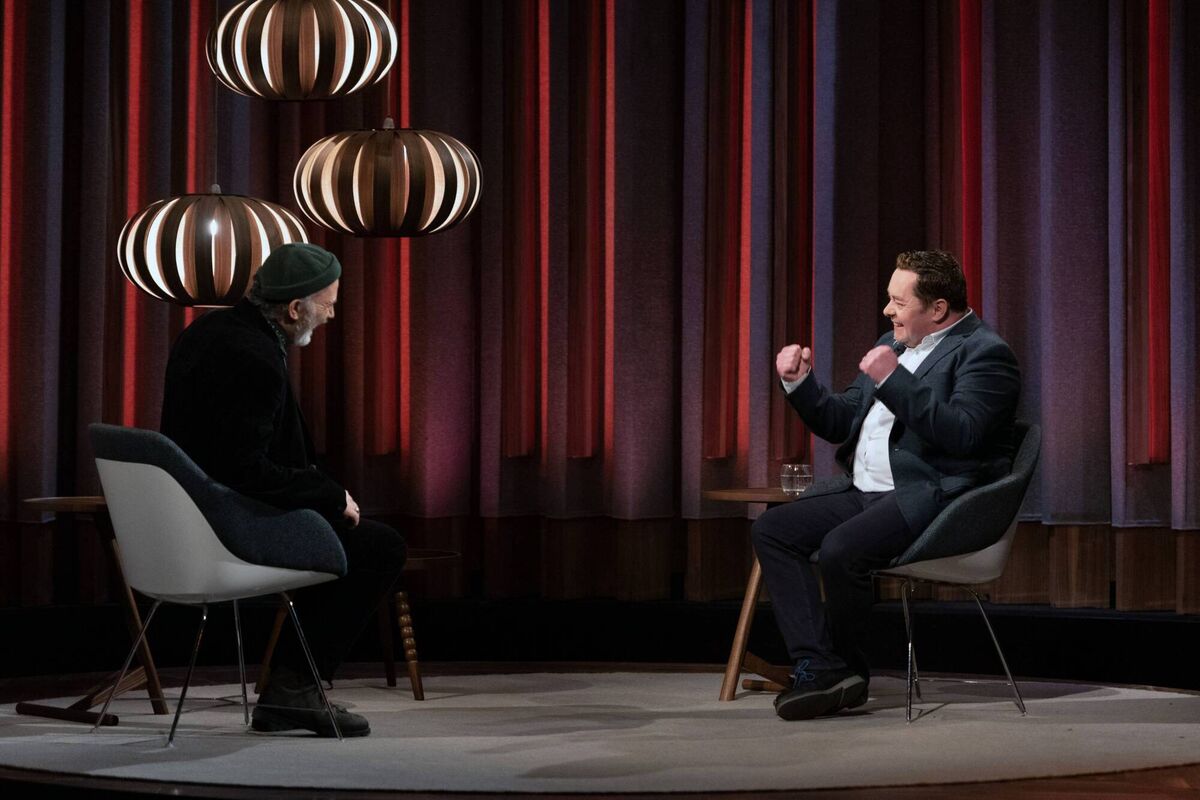
Also speaking to Tiernan was chef Neven Maguire, who said he plays music in his restaurant’s kitchen to relieve the feeling of pressure staff may feel and revealed his past as a nightclub DJ.
“People can find it hard to manage the pressure [in a restaurant]. For us, we have music. I'm a big fan of dance music. When we're prepping we have the dance music on. When I was very young, training to be a chef, I used to do a bit of DJing, years ago.
“When I was training I used to DJ in a nightclub in Enniskillen. So I had my Technics decks and I used to go up every two weeks to Dublin to get dance music. I loved it. I just thought it was fun. I just fell in love with dance music, it was all dance music. I have a collection of 2000 records at home.”
He said the feeling he gets when cooking in a restaurant is the same as what he feels when listening to dance music.
“I just love it, the high energy, just kind of like when you're in service, there’s a great buzz from it. I've always loved it, even when I’d be driving to Dublin, I’d be playing dance music and just enjoying it. I always enjoyed it. Some of the stuff, like drum and bass, I’ve gone past that, but some of it is very meaningful. I kind of get lost in the music, to be truthful.
He said he has rediscovered dance music in lockdown and is “having fun’ with the decks once more.
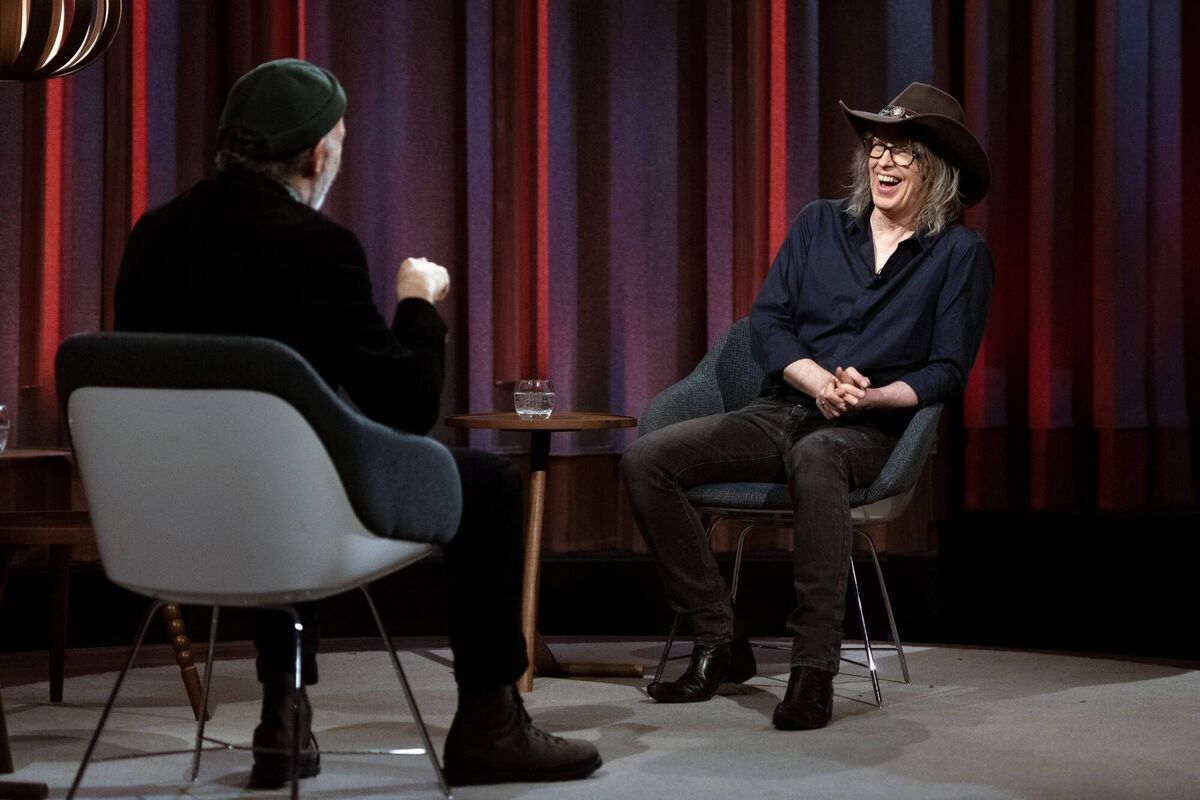
Mike Scott of The Waterboys also joined Tiernan to discuss music and the venues it brought him to around Ireland. Rather than focus on large venues in big cities, he said the band wanted to reach audiences in small towns in every county.
“That was part of our dream, to play all the towns of Ireland. The big bands would play Belfast, Cork, Galway and Dublin, sometimes even just Belfast and Dublin, even big Irish bands. I could never understand that. We wanted to open up the whole circuit,” he said.
“I remember going and sitting with Denis Desmond and we had a huge map of Ireland. I would go: can we play here? Can we play Mallow, that sounds fun. And he said there's a Majestic Ballroom in Mallow. We played dozens of shows. For me, coming from another country, it was like going through the looking glass. It was magic.”