What a year for TV: Normal People, Tiger King, great documentaries and the return of The Sopranos
TV highlights of 2020 included Tiger King, Home School Hub, The Crown, and Normal People.
Roll out the superlatives. The finest Irish series ever made, the most accurate small-screen portrayal of the complexities of young relationships, the best ever Irish accent by a foreign actor, the most realistic sex scenes, the widest societal impact by a piece of male jewelry, etc, etc. From source material to screenplay to cast to directors, the stars really did align for the tale of Connell and co. Presumably they'll be hoarse from all the award-ceremony speeches they'll be doing over the next few months.
Cometh the hour, cometh the boy from Killeagh and his ability to unite a nation in a mass of melted hearts and teary eyes. The Late Late Toy Show felt more important than ever in the Year Of Covid, and even without a live audience, really hit the spot. Along the way, the likes of Adam King and eight-year-old amputee Saoirse Ruane shone a light on important issues and reminded some of us with first-world lockdown gripes that we should probably cop ourselves on.
Of course, the biggest revelation of 2020 was that there were some walking among us who had never seen The Sopranos. Long hours of lockdown had them finally reaching for the box set or Now TV subscription, and belatedly tapping into the 2001 zeitgeist with social media mentions of Pine Barrens and Paulie Walnuts. Ah lads, wait until next month's Level 5 discovery of Omar and Stringer Bell in The Wire – they'll blow your minds.
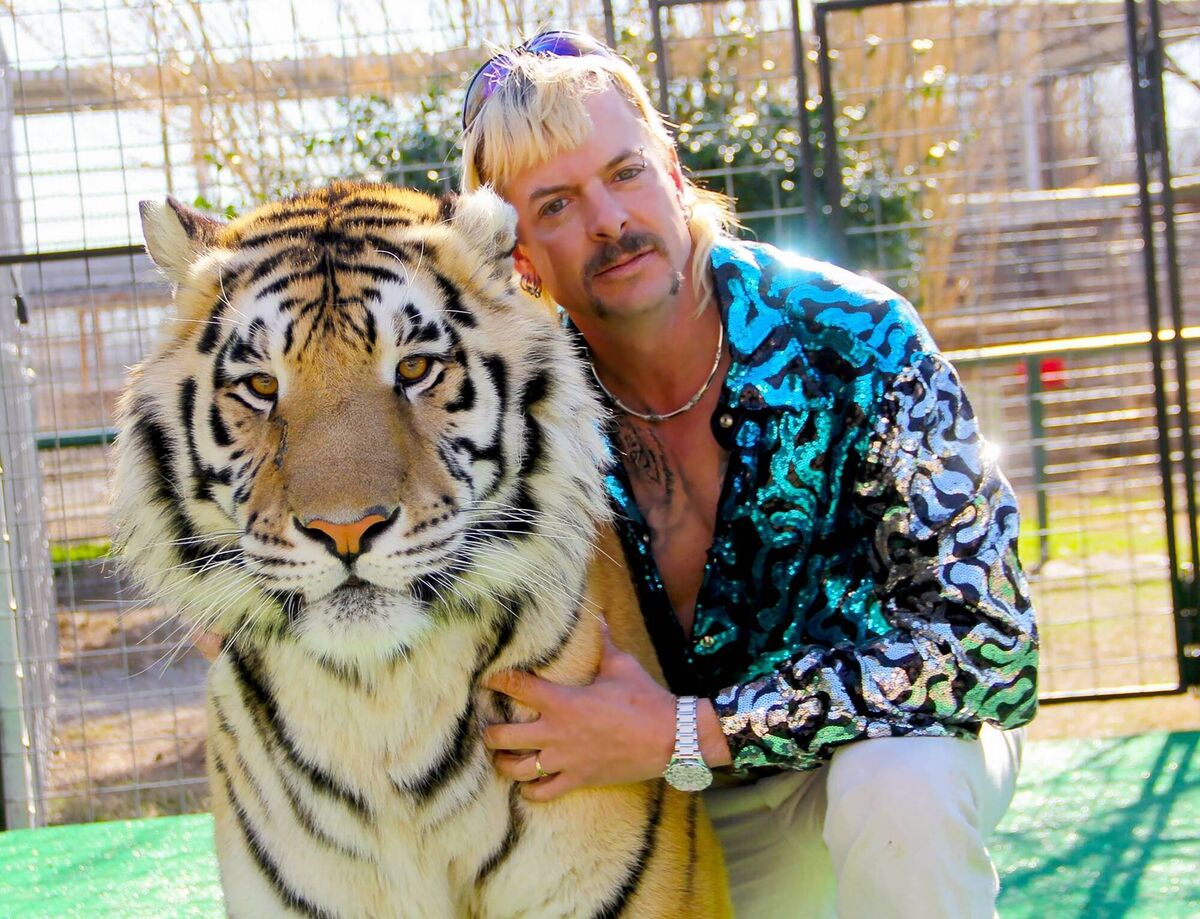
To paraphrase another reviewer, I wonder what attracted Netflix to the tale of a gay, polyamorous redneck who bred tigers for profit and conspired to kill his zoo-owning rival? In fairness, the show's makers couldn't help but have a hit with Joe Exotic and his motley crew, but they still did a fine job drawing together the multiple strands of the story. Just as interest might have flagged in parts of the seven-episode series, there was always yet another jaw-dropping revelation. Most importantly of all - and despite the way he treated his staff, as well as his propensity for animal cruelty and murder plots - Mr Exotic retained his charismatic presence throughout.
Despite commemorations and a fixed place in the national psyche, there's still a sense that we don't fully appreciate the enormity of the Great Famine. Perhaps it's because that event lacks the type of images that would come a few decades later with the development of cameras, or just because of the unrelatable scale of it all (a million dead, two million emigrated). The combined forces of RTÉ and UCC at least went some way to remedying this in an impressive two-part documentary. We heard solid history that underlined how many of the potential 'myths' of that era – racism, genocidal policies, an abundance of food on the island, cannibalism, etc – did actually occur, and the human tragedy behind the statistics was revealed with some heartbreaking case studies. The most powerful moment of all came at the end, when we saw footage of a starving toddler in Africa; as the camera closed in, the emaciated child emitted a haunting cry borne of pain and hunger. Suddenly we knew what Ireland sounded like in the 1840s.
While debate swirled around the authenticity of the scenes involving the royals, season four's best episode came courtesy of a character occupying a rung at the other end of the class ladder. The name Michael Fagan may bring to mind petty criminals of the Dickens era, but in the 1980s he became immortalised as the 'Palace Intruder'. A painter/decorator by trade, for the screenwriters he becomes the perfect vehicle to show the anger of the three million unemployed and others who railed at Margaret Thatcher's remoulding of British society. If only he could tell his queen what's really going on. So he does. “Save us all from her... Thatcher!” he implores of a surprisingly sympathetic sovereign from the foot of her bed. Fagan also provided a fine excuse to unleash some of the magnificent music of the era, with The Specials, Joy Division and The Cure featuring in the soundtrack.
In the current climate, it's a brave/insensitive/foolish screenwriter who attempts to eke comedy out of trans issues or #MeToo topics. Larry David actually got away with doing both in a season that marked a return to form for his long-running series. His character seemed to be on particularly thin ice during an encounter with trans icon Laverne Cox, not least when clumsily asking about the mechanics of a reassignment operation and the possibility of getting a 'part' from somebody of a different race. And still he skated through it unscathed. Special mentions for the character of Leon Black (JB Smoove), who's been providing instant LOL moments every time he enters a scene.
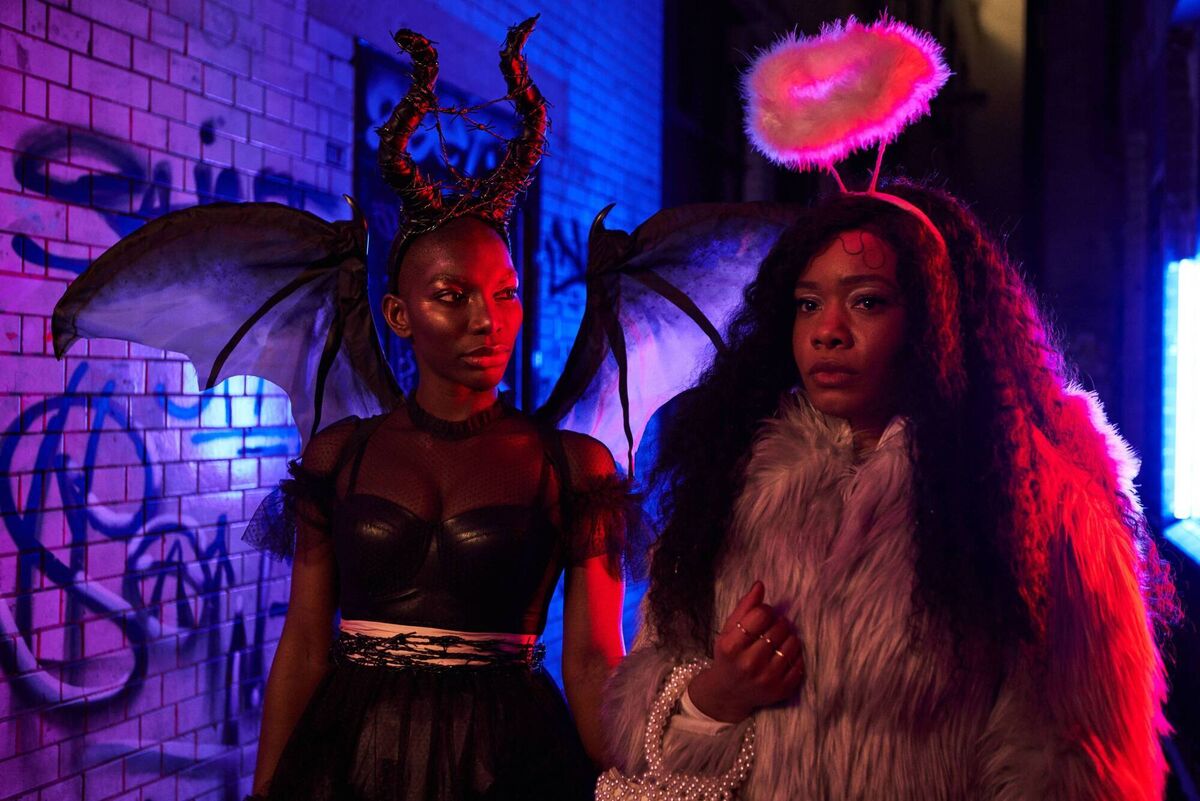
Read the preview blurb on Michaela Coel's drama series and you might have been tempted to turn away from the hard-hitting tale of a young woman trying to piece together what happened on the night she was drugged and raped. If you stuck with it, however, you'd have been treated to one of best shows of the year. Yes, it dealt brilliantly with the issue of sexual violence, but it gave us so much more. Weighty issues aside, it also managed to be hugely entertaining. Race and gender issues were major components of the show, but they were blended into characters and plots that gave it a universal appeal and never felt like box-ticking. Coel, 33, is clearly a huge talent; we can't wait to see what she does next.
Not quite a TV show but the YouTube livestream of the winter solstice was another broadcast laden with extra significance this year. Clare Tuffy and Frank Prendergast should really get a series of their own for an enthusiastic commentary filled with fascinating archaeology and astronomy, and while the weather didn't behave on the solstice itself, one of the subsequent days brought footage of sunshine flooding into the 5,200-year-old passage. A physical representation of light at the end of the tunnel - was it ever so needed.
- Claes Bang was fab as the campy horn-dog vampire, but the series became was a game of two-thirds, when the final episode transported us to modern times for a rubbish instalment that undid the previous good work.
- Ambitious and probably under-appreciated drama series set on the strange English island of Osea. We even got an atmospheric 12-hour episode
- Definitely not for everyone, this series may have reached its sixth and final season before many people discovered it, but the American comedy became one of the big hits of Lockdown 1.0.
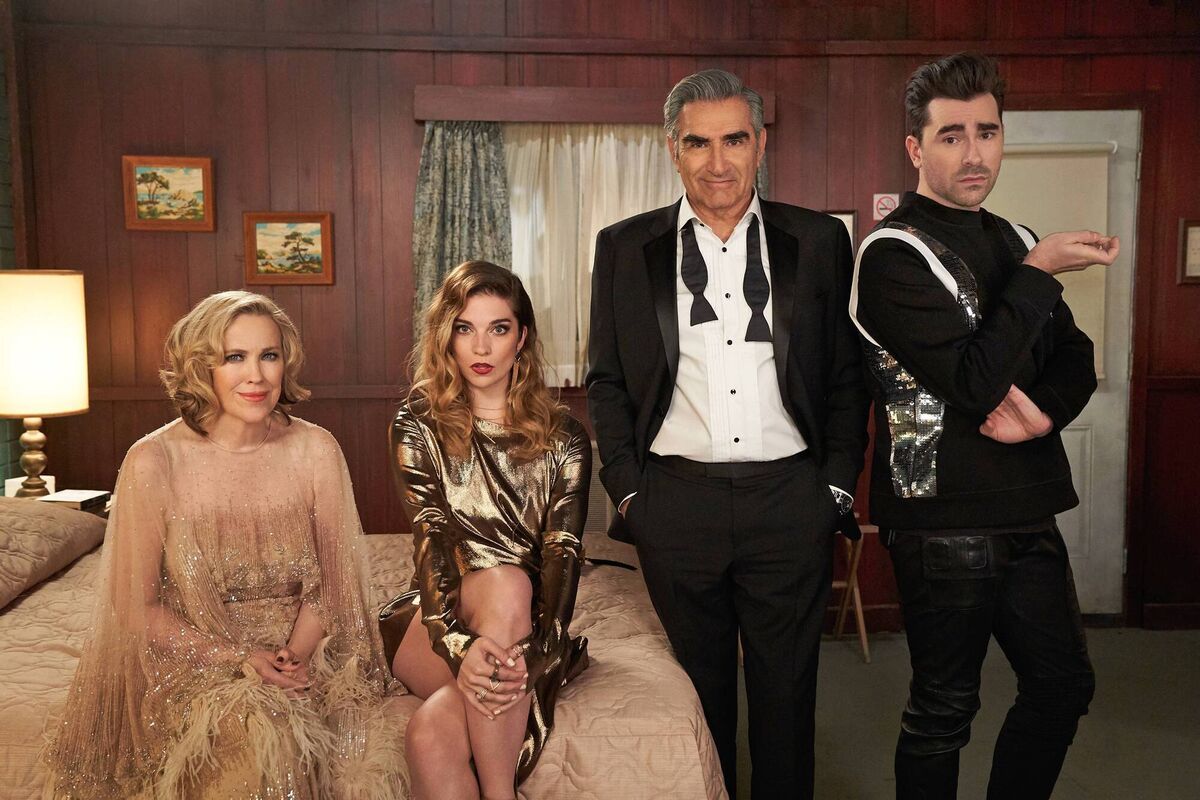
- Superb five-part BBC series that looked back on the recent conflict from various perspectives of those involved: local people, American soldiers, an Australian photographer, etc. It also gave us one of the great reminders of how the world works: Tony Blair is godfather to one of Rupert Murdoch's children.
- And speaking of Uncle Rupert, this three-part documentary series provided a jaw-dropping account of the media mogul's pursuit of profit and power. It also filled a nice gap for those of us waiting for the return of Succession.
- Watching sport on TV just wasn't the same without that big-match atmosphere, and social historians will some day chortle as they recall how we preferred to insert artificial crowd noises.
- That first lockdown brought some long days, and both these shows provided precious moments of distraction.
- We all know how Covid was invented by Bill Gates to implant us with microchips, but was it really just a 'coincidence' that Disney+ launched its streaming service in the same month we began the first lockdown? The entertainment giant really did pick the perfect year to begin its new service, and Netflix faces new competition We also had related developments in the film industry where new movies were released for streaming rather than cinemas.