On this day 25 years ago: Seamus Heaney is awarded the Nobel Prize for Literature
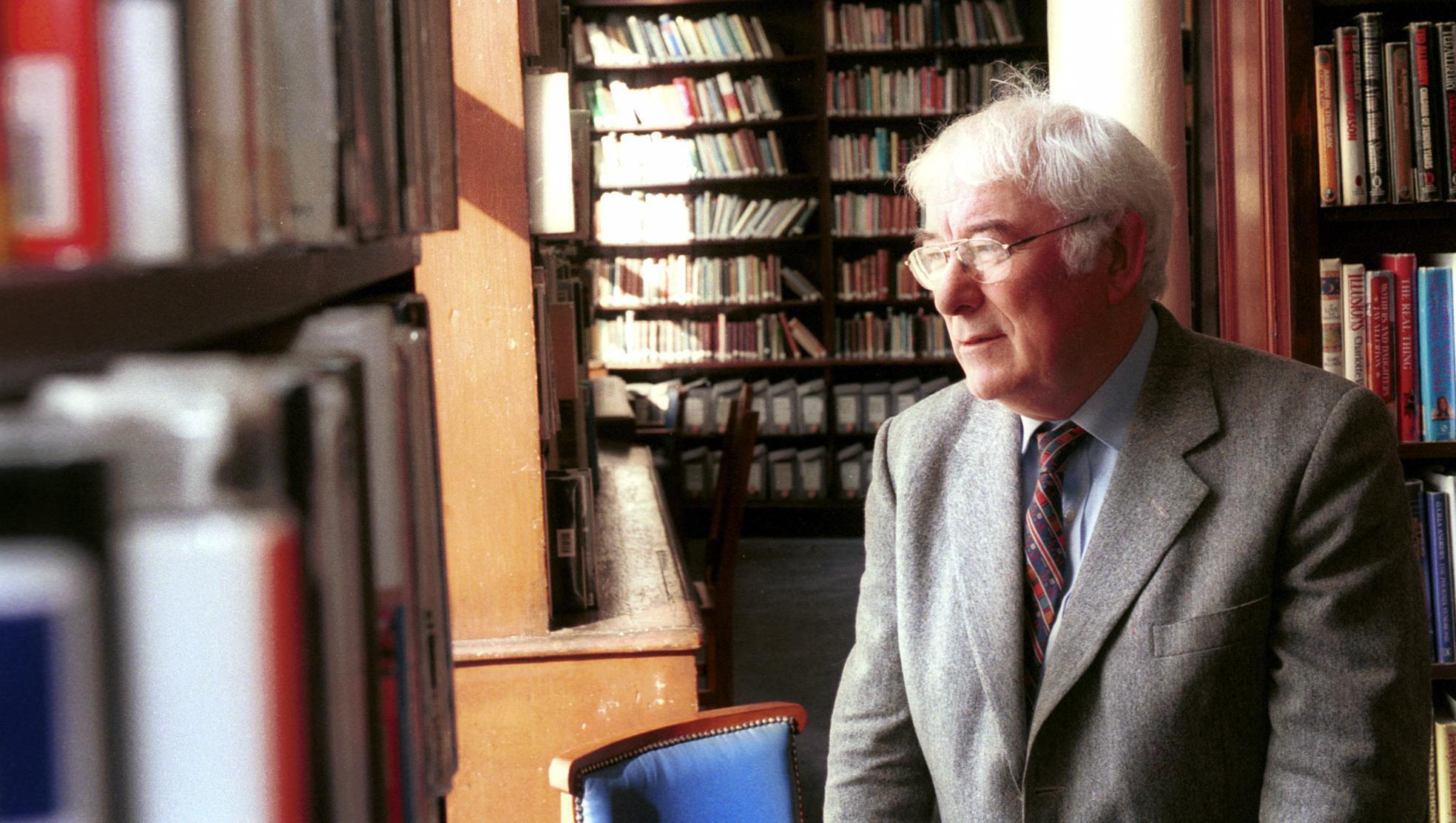
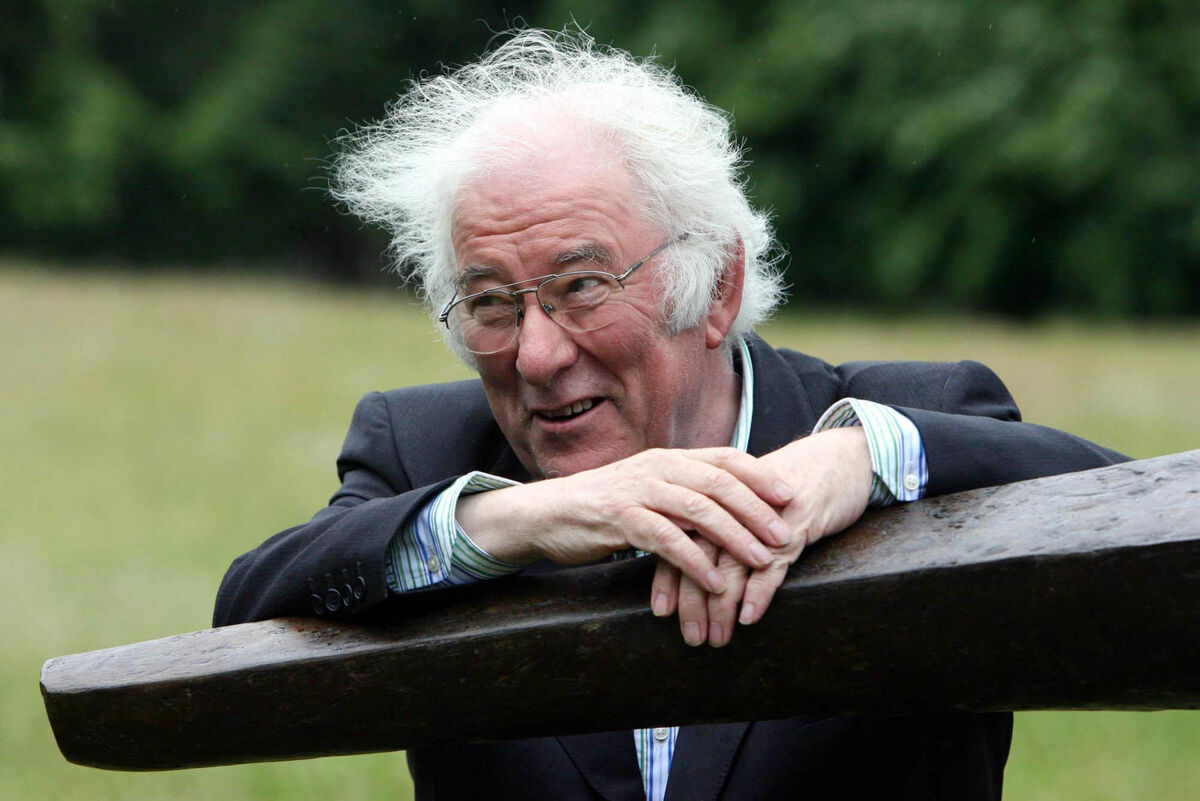
Nobel Laureate Seamus Heaney reminiscing in the 'old' part of the library, where he studied when a young man, before he officially opened the new Linenhall Library in Belfast in 2000.
On this day twenty-five years ago, one of Ireland's most profound and beloved literary voices received international recognition and had his place in history cemented.
Seamus Heaney, born in 1939 in the townland of Tamniaran, Northern Ireland, was awarded the Nobel Prize for Literature on December 7th, 1995, "for works of lyrical beauty and ethical depth, which exalt everyday miracles and the living past."
He had long staked his claim to that place, beginning his body of work as a poet, writer and playwright in the 1960s.
Heaney's 1966 breakthrough collection of poems, , helped bring him to national and worldwide attention, a collection of 34 poems that brought to vivid life Heaney's childhood experiences in rural Ireland.
It set the tone for a decades-long body of work praised for its clarity, imagery, emotional grounding and perspective, placing the poet's output as a staple in the study of poetry in the English language.
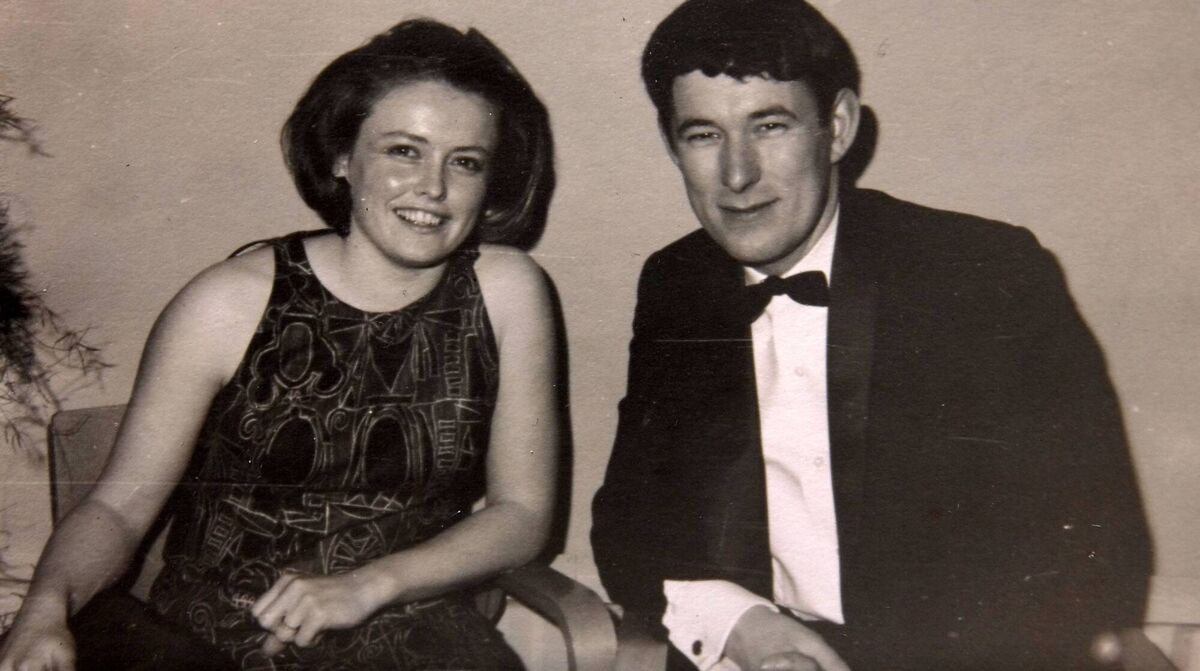
He was recognised for his gifts and contributions to his artform in his lifetime, achieving national-treasure status in the literary community at home
Parallel to this, Heaney pursued a distinguished career as an academic, starting at St. Joseph's College and culminating in professorships and residencies in Harvard and Oxford universities, with academic John Sutherland, calling him "the greatest poet of our age".
To mark the occasion, here are ten excerpts selected from poems across his body of work and correspondence.
- from 'Personal Helicon', , 1965
- from 'Digging', Death of a Naturalist, 1966
ON MAINTAINING A BALANCE:
God is a foreman with certain definite views
Who orders life in shifts of work and leisure.
- from 'Docker', , 1966
ON THE FLEETING NATURE OF THINGS:
Once off the bush
The fruit fermented, the sweet flesh would turn sour.
I always felt like crying.
It wasn't fair
That all the lovely canfuls smelt of rot.
Each year I hoped they'd keep, knew they would not.
- from 'Blackberry Picking', , 1966
ON MOTIVES TO CREATE:
The main thing is to write for the joy of it.
Cultivate a work-lust that imagines its haven like your hands at night, dreaming the sun in the sunspot of a breast.
You are fasted now, light-headed, dangerous.
Take off from here.
- from 'Station Island', 1989
URGING HOPE, AND CITED BY LEADERS:
History says don't hope
On this side of the grave.
But then, once in a lifetime
The longed for tidal wave
Of justice can rise up
And hope and history rhyme.
- from 'Doubletake', , 1990
WHAT IT COMES DOWN TO:
Anyone with gumption and a sharp mind will take the measure of two things: what's said and what's done.
- from Heaney's 1999 reinterpretation of Middle-English epic
ON HIS WORK'S MUSICALITY:
"I don't mean sound as decoration or elaboration, but the actual cadence that moves the thing along."
- from one of Heaney's interviews with author Dennis O'Driscoll, as published in his book , 2009.
LAST WORDS:
"Noli timere."
- Heaney's reported last words, translating as 'Don't be afraid', in a text message to his wife, August 2013.
WORDS TO LIVE BY:
Walk on air against your better judgement.
- from , published in 1996. Cited in his 1995 Nobel speech, and adorning his gravestone in Bellaghy, Northern Ireland.