The Wild Rover: A fascinating history of a drinking song that's about giving up drink
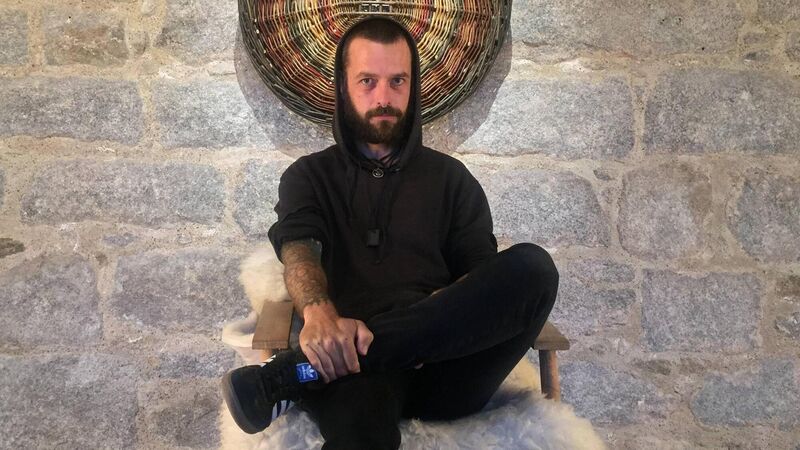
Ian Lynch of Lankum delves into song history on his Fire Draw Near podcast.
Having lectured in courses at UCD on collectors of traditional music, Ian Lynch gave it up a couple of years ago as his band, Lankum, started to pick up momentum. Cut to March 2020 and they were using their €10,000 winnings from the Choice Prize for Irish album of the year to get home from the US as the coronavirus gripped.
With nothing but free time on his hands, he expanded his expertise and focused on his monthly show with Dublin Digital Radio, Fire Draw Near, which delves into the lineage of traditional Irish songs, drawing on his lecturing expertise. Now he’s cut together a three-episode podcast series on ‘The Wild Rover’.
Of course, Lankum fans will know of the stirring, haunting 10-minute version of ‘The Wild Rover’ that opens the award-winning album The Livelong Day. It’s almost incomprehensible that it’s the same song so many of us associate with weddings and alcohol-fuelled singalongs - just without the the ‘no nay never’ bits.
Lynch says putting together the liner notes for the album made him aware of the lineage of the song and the story behind it. “I think maybe that was one thing that encouraged us to put it out, that you want to show people there's other versions to the songs that they know, and that it has been treated in different ways in the past. And to open people's minds up to that possibility.”
He points to the hundreds of versions of ‘The Wild Rover’, including by the likes of Dropkick Murphys, that YouTube throws up. “When you think about the fact that this is their version of Irishness, falling around in the pub, I actually felt quite offended by it when I started looking at these videos and realizing what it's all tied up in. In that way, I started to feel like I did want to reclaim it and I did want to maybe educate people a bit.”
Lynch wanted to go deeper on the history of the song and its complex story.
The Fire Draw Near podcast goes into that history, the first episode going back hundreds of years to the culture that gave rise to the alehouse ballad in England.
The next two episodes will be released over the next two months or so, but Lynch offers a quick potted history.
“In general, all the versions you'll find today go back to the Dubliners’ version that they recorded in the ‘60s,” he says, adding that it’s played as a drinking song, one of the reasons for that being its anthemic chorus. That’s a complicated story that dates to “Luke Kelly learning his version of ‘The Wild Rover’ from an Australian who was living in Newcastle in the early ‘60s, who he probably met at a folk club.”
Lynch continues: “But then there's also an influence from Louis Killen, a singer from Newcastle who was singing in folk clubs at the time as well. And he was singing it with that kind of anthemic chorus, which he'd learned from a radio programme when he was young, that was broadcast in the 1940s by a BBC operatic singer with an orchestra behind them.”
Lynch points out what a fascinating and convoluted route the Dubliners took to playing that version of the song.
“I think a lot of it is to do with the treatment of the song and how they sing it. It's sung with this heavy gusto, it's got this anthemic chorus, and that gives the song the feeling that it's celebratory in some kind of way. Even if you look at that version of ‘The Wild Rover’, it's still saying, ‘Oh, no nay never no more, I'll never play the wild rover.’ it doesn't quite go into the misery that has been caused because of it. But he's still saying, ‘Oh, I'm giving up the drink’.
"But it's just the fact that it's sung and delivered in a way that makes it seem like a celebration of drinking.”