Lamb is for all seasons, not just for Easter

Readily available all year round from butchers and supermarkets, lamb is easy to cook and consistently delicious.
Roast leg of lamb is an Easter Sunday lunch tradition in our house. But it’s not the only time that lamb makes an appearance on the table: a slow-cooked shoulder with cannellini beans is a regular Sunday option, a spiced, fruity tagine can pop up mid-week, lamb burgers make a great Friday night supper and my absolute favourite Saturday lunch is devilled lamb liver on toast.
While you might not want to go the offal direction – although I have to say, I’d recommend lamb kidneys too! – lamb is no longer a special treat meat. Easily available all year round from butchers and supermarkets (even, quite likely, your local garage shop), it’s easy to cook and consistently delicious.
For anyone who grows up in the Irish countryside, it can be easy to take animals grazing outdoors for granted, until you travel and realise why people pay a premium for grass-fed meat abroad. Our temperate climate, with plenty of rain (this is a good thing, really), makes Ireland ideally suited to grass-based farming. The fact that Irish lamb is, as Bord Bia says, “predominantly produced from grass…contributes significantly to the reputation and market position enjoyed by beef and lamb products from Ireland.” It also ensures that farmers have to “be aware of the need to manage the grass-based farm enterprises in an environmentally friendly manner, while also contributing to improved biodiversity.” I’ll take that over enclosed feed lots any day.
For northern hemispherians, the weak sunshine, wild garlic and green fields at this time of year give us a pastoral setting that makes lamb at Easter the ideal celebration of spring and fertility. On the other side of the world, however, New Zealanders and Australians also look upon lamb as their Easter centrepiece. Perhaps there are just too many biblical references to the lamb of God and the Passover lamb to be able to get away from that tradition? They might be getting the better deal with their older animals in the southern hemisphere. While we eat new-season lamb, tender and sweet, its autumn fellow is a much bigger, with a more developed flavour.
The flavour isn’t the only thing that develops when lambs have more time to play around on that grass. Research done at the University of Ulster in 2011 found that grazing lambs outdoors for at least the final six weeks before slaughter increases the level of omega-3 fatty acids. These are the good fats, with many links to positive health benefits, particularly heart and brain health.
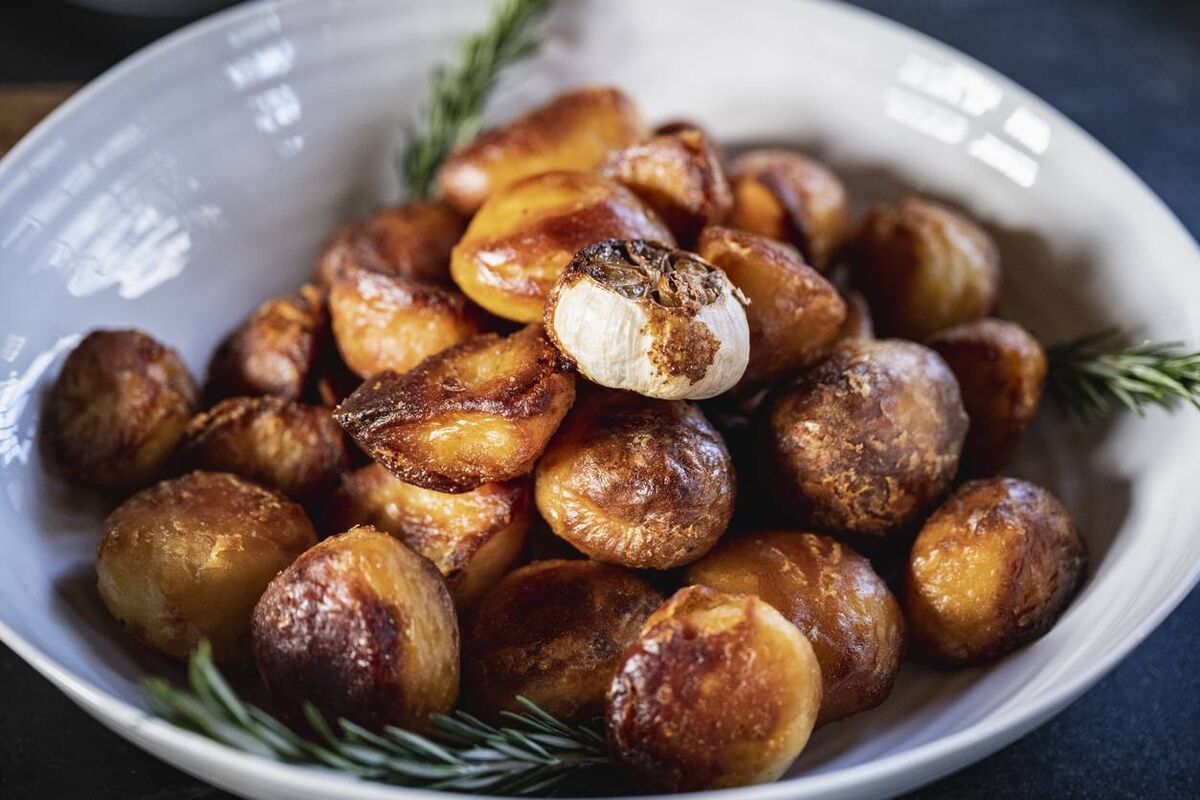
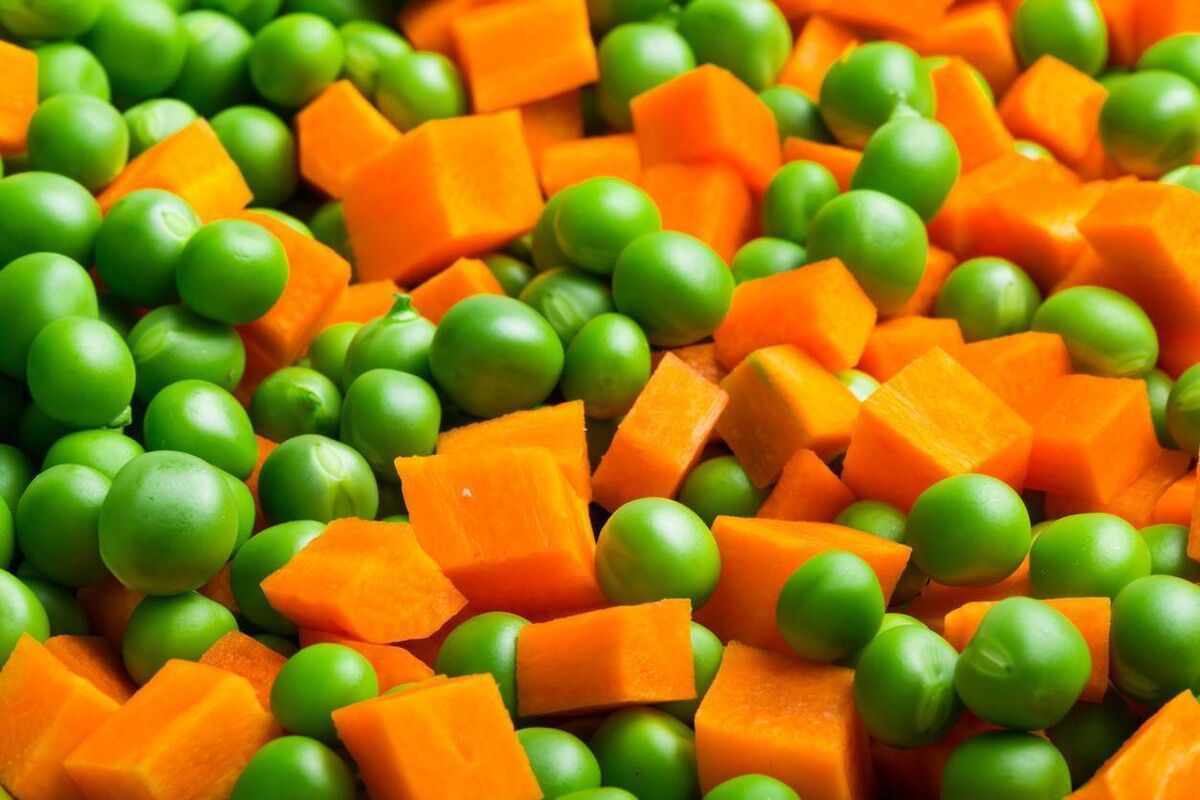
We didn’t know any of that as teenagers returning home from college for Sunday lunches: we just knew that Mum (for fear of pink meat) would put the leg of lamb, laid carefully on branches of rosemary and punctuated with cloves of garlic, into the oven on Sunday morning before she headed to mass. Back then, lamb was always a meal to be eaten in a crowd of noisy family, hacked off the bone, as my sister and I bickered over the extra sweet nugget of meat at the shank end. By the time we sat down to lunch – golden roast potatoes, bowls of buttered peas and carrots, with lots of savoury gravy – our appetites had been well whetted by the aroma that trailed upstairs as we packed for another week of study fuelled by tomato pasta, beans on toast and tuna sandwiches. The luckiest of us sometimes stole scraps to fry up on Monday night for sandwiching between two slices of batch loaf. Extra brain power, and one less meal to pay for ourselves.
Now, with stacks of cookbooks at our disposal, there’s so much more to play with and almost every cuisine has its own particular take on cooking with lamb. My version of a tagine has its roots in a trip to Morocco where I travelled with a paperback copy of Claudia Roden’s A New Book of Middle Eastern Food tucked into my backpack. Lamb burgers are a New Zealand speciality, much loved by my half-Kiwi kids, and made frequently by them after NZ Nana sent a cookbook during one of the Covid lockdowns. When it comes to offal, however, I’m always on my own. No matter how much I talk up the nutrition side of things – lots of protein, iron and vitamin B12 – they still avoid the cooker when I’m flash-frying slices of liver or whole kidneys with a shake of cayenne and dab of Dijon mustard. They might dodge what I think are the tastiest bits of the animal, but a roast leg of lamb is still a consistent family winner at any time.
Inspired by an Elizabeth David recipe for lamb “that is so tender that it could be eaten with a spoon” – along with my mother’s practise of putting the meat into the oven early on a Sunday – this is a dish that takes 15 minutes of preparation time and then cooks itself. It’s at its finest when using Irish lamb and proper Irish craft cider made with Irish-grown apples. Serves 6-8.
- 1 tablespoon olive oil
- 1 leg of lamb on the bone, approx 2kg
- 2 onions, peeled and cut into chunky segments
- 3 carrots, peeled and cut into 3cm chunks
- 2 sticks of celery, cut into 3cm pieces
- 4 cloves garlic, roughly chopped
- 500ml medium dry cider
- 3 tablespoons pomegranate molasses
- Sea salt, freshly ground pepper, lemon juice
Preheat the oven to 170C (150C fanbake).
Using an ovenproof casserole dish with a lid, just big enough to hold the lamb and vegetables, heat the oil over a medium heat. Season the lamb with salt and pepper and brown lightly on all sides for about 10 minutes. Remove and set aside.
Tip onions, carrots and celery into the dish, allow to colour a little then add the garlic. When you can smell the aroma of the garlic starting to cook, pour in cider and bring to a simmer.
Sit the lamb into the dish and drizzle with pomegranate molasses.
Cover with the lid and place in the oven for 3½-4 hours, turning occasionally, until the lamb is tender and falling off the bone. Remove the lamb and vegetables to a serving dish. Keep warm.
If the juices look fatty, use a large spoon to skim off the excess. Season to taste, adding more salt, pepper, pomegranate molasses or even a squeeze of lemon juice if needed. Simmer over a medium heat to thicken, if necessary.
Cut the lamb into chunky, falling-apart slices and serve with the juices and vegetables from the pan. Also good with mashed potatoes, peas with mint and lemon and a fresh green salad.


CONNECT WITH US TODAY



Be the first to know the latest news and updates