How often should we wash our face masks? Your mask hygiene questions answered
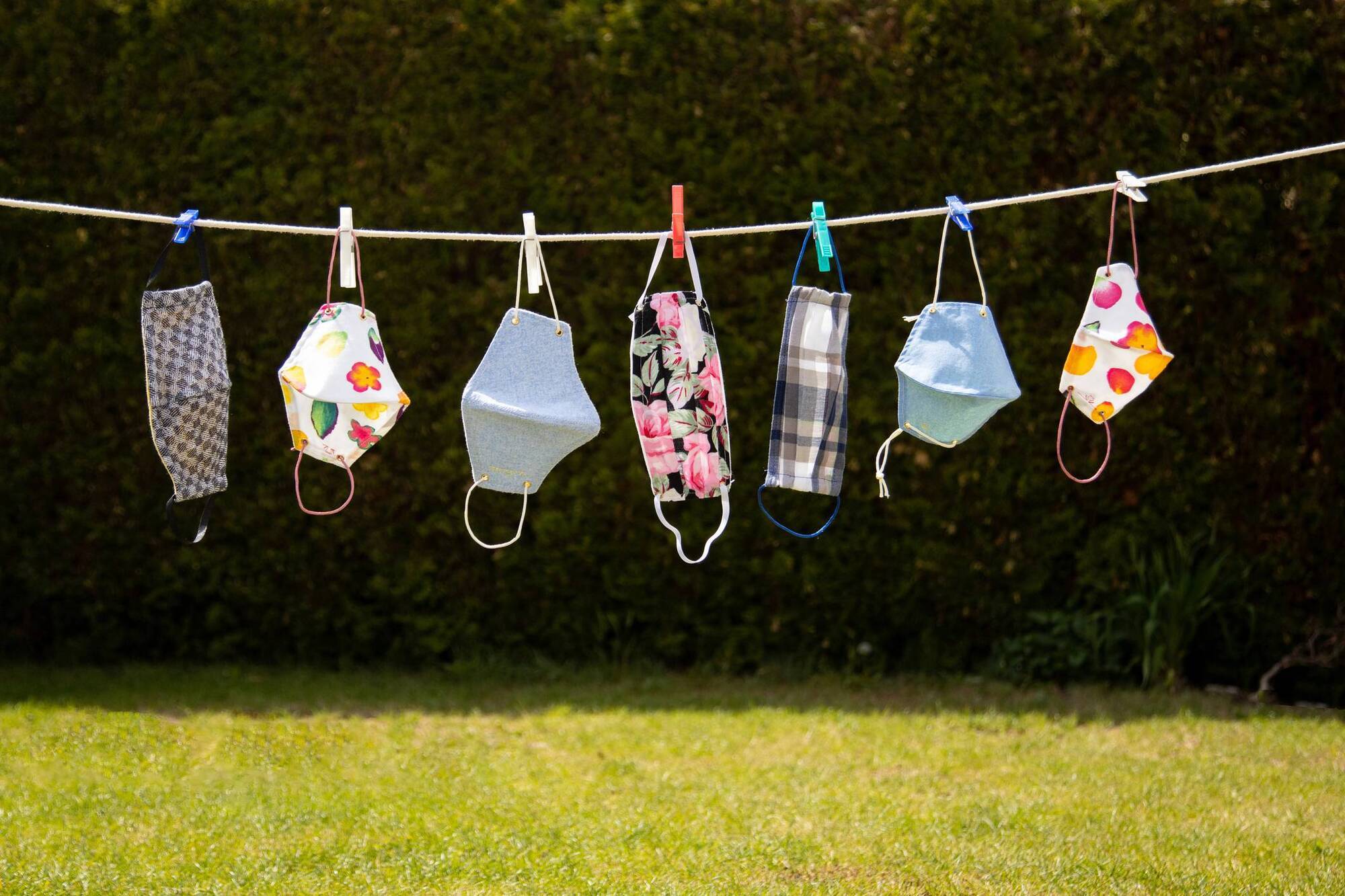
Polls show that nearly 65% of people aren't washing their masks after every use. Picture: iStock
It feels like we’ve never done so much cleaning in our lives. Worktops, hands, shopping trolleys, but there’s one important item we might not be washing enough, our face masks.
We wear them everywhere these days, breathing and talking through them, sneezing and spreading those dreaded droplets.
Yet, 64.5% of people say they don’t wash their face masks after every use, according to a poll running on TheJournal.ie.
Should we be washing them after every use, or is every week enough? Does it really make that much of a difference?
Once again, our face masks have left us with many questions, so we asked the experts about the chores involved in keeping our fabric friends sparkling.
The HSE says there’s no need to sterilise reusable face masks.
Instead, simply pop your mask in the washing machine with your regular load at a high temperature, such as 60C, or wash by hand with hot water and soap.
Making sure you use detergent or soap is vital, as this is what really wicks the germs from the fabric.
Hotelier Francis Brennan knows a thing or two about washing and says he tackles his masks like any household chore: get it done and do it often.
“I have two reusable masks that I use. One is from a company called PMS, it’s made from 80% polyester and 20% spandex so it’s a stretchable material, very easy on the face,” he says.
“I wear that one the most, like around the hotel, because it’s easy to talk with and you don't even feel like you’re wearing it. So that one gets washed every time I come in the door.”

Brennan keeps a bowl next to his sink as a reminder to wash his masks.
“I just pop a bit of fairy liquid on them, boiling water from the kettle, leave them to soak in the bowl for a bit, give them a quick rinse in cold water and hang them out. They wash beautifully and dry within 20 minutes,” Brennan says.
“I also have a lovely double-sided Irish linen one from Stable of Ireland, which is beautifully designed. That’s my deluxe one for going out, not that I’m going out anymore, but it washes the exact same. It’s so easy and so important.”
Cork-based GP Philip Kieran says that we should ideally be washing our masks after each use, especially if you're wearing one for an extended period of time.

“Ideally, people should be washing their masks after every use. I know that this isn’t always practical, but people really should try to stick to it as much as possible,” Dr Kieran says.
“If you know you’re going to be heading into two or three shops, keep your mask on when travelling between them so that you don’t keep touching it.
"Once you know you’re done with it, stick it in a plastic bag and throw it straight into the wash when you get home.”
When you breathe or speak into your mask, bacteria nestles into the fabric and can become airborne, thus increasing the risk of infection for others.
"The more you wear the mask, the damper it gets," Dr Kieran says. "They’re no use if they’re wet because you end up blowing all of those germs from the front of them."
Washing your mask often helps to reduce the risk of “maskne", or acne related to mask-wearing.
If your mask is dirty, then the microorganisms manifesting within your mask can combine with humidity and friction and you could be left with spots.
Sweat crystals can also get trapped within your mask and rub against your skin causing irritation.
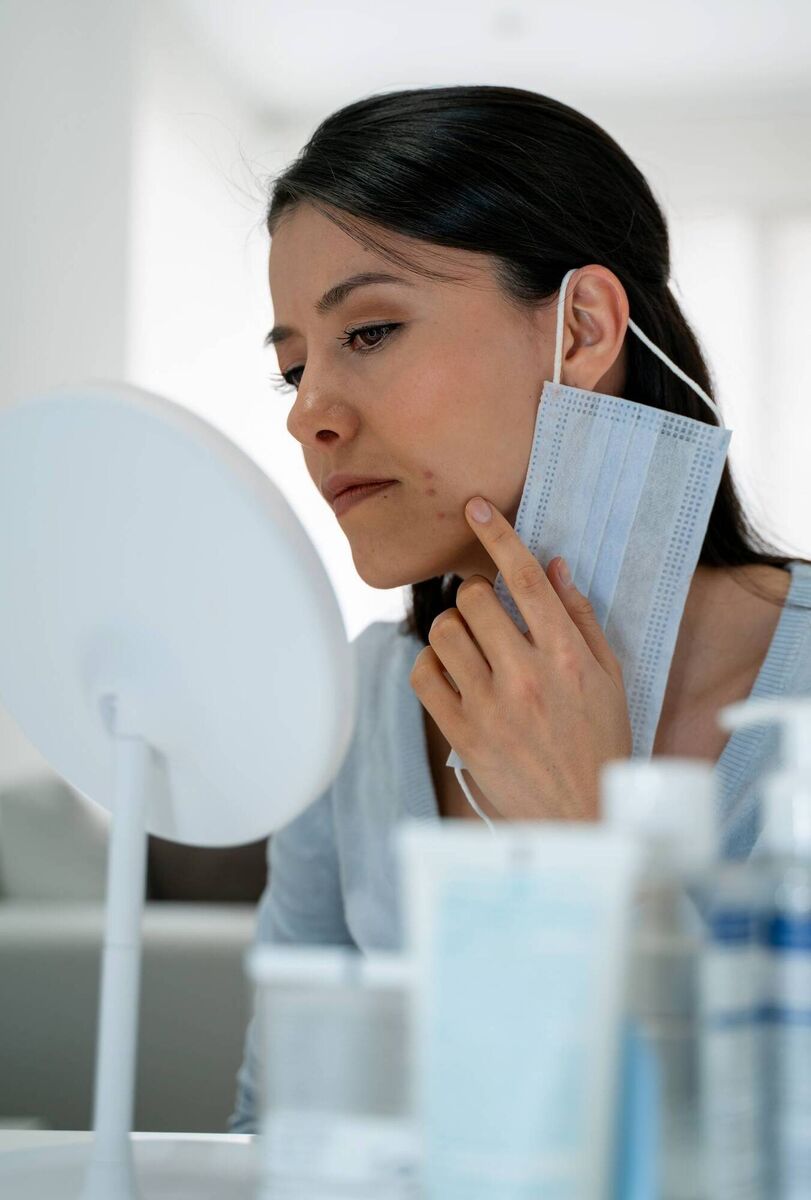
However, Sinead Quinlan, owner of Mediglow skincare clinic in Cork, says it's possible for people who do clean their masks to experience skin problems as well.
“What people don't realise is that you're not getting as much oxygen as you usually would when you wear a mask and so the skin ends up producing sebum," Quinlan says.
“When the skin produces oil at a higher rate than usual, it gets trapped in the pores and causes spots, because the skin doesn't know how to deal with it.”
Exfoliating skin regularly is important for frequent mask users, as well as cleansing the face correctly.
If you are finding that you’re getting more spots than usual, even though your masks are clean, contact a skincare clinic about an online consultation.
In short, if the masks are clean, yes. If not, no.
Dr Kieran says that sharing an unwashed mask is akin to sharing a toothbrush.
If someone in your family catches Covid-19, their mask will be contaminated, thus if you go to put it on after them, you’re at serious risk.
"If the masks are clean and kept there for the family then it's fine but you wouldn't share a toothbrush or razor with someone, so why share a dirty mask? It's just not hygienic." Dr Kieran says.
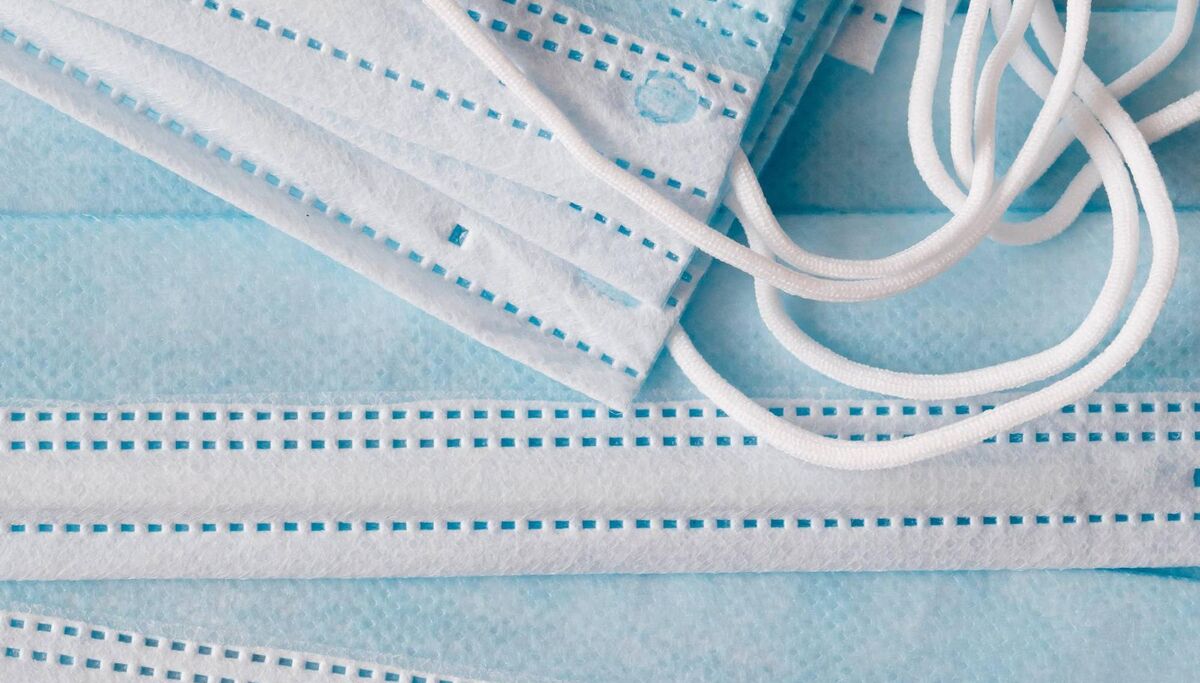
They’re called disposable for a reason. The World Health Organisation recommends binning disposable masks straight away if you use them and opting for a fabric mask instead.
"There's no reason for non-medical staff to be using disposable masks," Dr Kieran says. "They're super flimsy, they tear easily and get damp very fast.
"People seem to think medical masks are more protective because that's what they see in hospitals but the only reason we wear them is because we throw them out after each patient.
"I wear a fabric one when I'm not in the surgery because there's no need for a disposable mask when I'm not seeing patients. It's like scrubs. Medical staff don't wear them at home because there's no use for them outside of work."
If your mask gets contaminated, so will any surface it touches, so it’s safest to keep it in a sterile container rather than throw it straight into a handbag or pocket.
"So you take off a mask and put it into your pocket and you go home and clean it and do what you're meant to do," says Dr Kieran.
"But then you head out the door and you put your clean mask into the same pocket on the way out. You’ve just contaminated your mask again.
"That's why it's so important to sanitise your hands both before and after you take your mask off or on, keep it in a plastic bag, and only touch the straps."
So, once you've removed your mask carefully, washed it as per doctor's orders, and sealed it up, you can be proud that you’ve checked one more thing off the list, and possibly saved a life by doing so.


CONNECT WITH US TODAY



Be the first to know the latest news and updates



![<p>Kiran Kumar behind his desk at work at Phonewatch: 'When I’ve done my last [night] shift, I try to stay up for as long as I can so I get back into the daytime routine. That’s what works for me.'</p>](/cms_media/module_img/10027/5013992_5_augmentedSearch_Kiran..jpg "<p>Kiran Kumar behind his desk at work at Phonewatch: 'When I’ve done my last [night] shift, I try to stay up for as long as I can so I get back into the daytime routine. That’s what works for me.'</p>")


