Appliance of Science: Can we use UV light to inactivate Covid-19?
I’ve been asked this a couple of times in the last few days. As Covid-19 is a novel virus (it has never infected humans before) we have very little, if any, research on what can inactivate it. However, in a domestic setting, it is unlikely we can use UV light against the Covid-19 virus, and we can put ourselves at risk in so doing, writes Dr Naomi Lavelle
Appliance of Science: Can we use UV light to inactivate Covid-19?

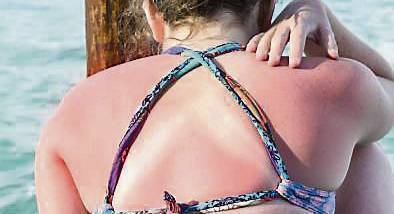
UV light from the sun causes sunburn if you are exposed to it too long.

I’ve been asked this a couple of times in the last few days. As Covid-19 is a novel virus (it has never infected humans before) we have very little, if any, research on what can inactivate it. However, in a domestic setting, it is unlikely we can use UV light against the Covid-19 virus, and we can put ourselves at risk in so doing, writes Dr Naomi Lavelle

What is UV light?

UV light is radiation in the ultraviolet range, it falls between visible light and x-ray on the electromagnetic spectrum. We receive UV light from the sun, some of it is filtered through our atmosphere so that only a small percentage reaches the surface. There are three different types of UV light, UVA, UVB and UVC. UVA light has the longest wavelength (between 315 and 400 nanometres), UVB (between 280 and 315nm) and UVC has the shortest (between 180 and 280nm).

UVA and UVB light

UVA light makes up about 80 to 90 percent of the UV radiation we are exposed to from sunlight. It is associated with aging and skin damage and has also been connected with skin cancer. UVB light causes more damage to the genetic material (the DNA) in our skin cells and is also associated with skin cancer, more so than UVA. Less UVB light reaches the Earth’s surface. Both UVA and UVB can cause sunburn.

UVC light

UVC light can penetrate our skin and damage our DNA in a much shorter timeframe. It is not something you want to be exposed to. Thankfully, it is not something that we encounter naturally as it is absorbed by ozone and tiny water droplets in our atmosphere. Although UVC is not a natural part of our day, it is made artificially, from specially designed light sources. That is because it has good application as a sanitiser and antimicrobial agent. It can damage the genetic material of bacteria and viruses, preventing them from replicating. Although no studies have get been carried out on the effect of UVC light on Covid-19 specifically, it is known to cause irreparable damage to other corona viruses, including SARS. Powerful UVC light sources are used to sterilise hospitals, airlines and other commercial premises.

Would direct sunlight work?

Can we use direct sunlight to inactivate Covid-19? This would expose it to UVA and UVB light only. Studies on other viruses have not shown significant inactivation by these types of radiation, although the studies carried out to date have been limited.

It is possible that sunlight might have an effect on Covid-19, but we have no strong evidence to back that up at the moment, and it is not a reliable method to use. UVC devices can help sanitise our hospitals and commercial areas, but only when used with specialised equipment and correctly trained staff.

UV light on humans

All three types of UV light can cause irreparable damage to humans. Using any UV light source on our own skin is definitely not a recommended treatment against the Covid-19 virus. These types of radiation will have no effect at all on a Covid-19 infection within the body. Tanning machines or small UV light sources are not the answer.

More in this section

Cookie Policy Privacy Policy Brand Safety FAQ Help Contact Us Terms and Conditions

© Examiner Echo Group Limited